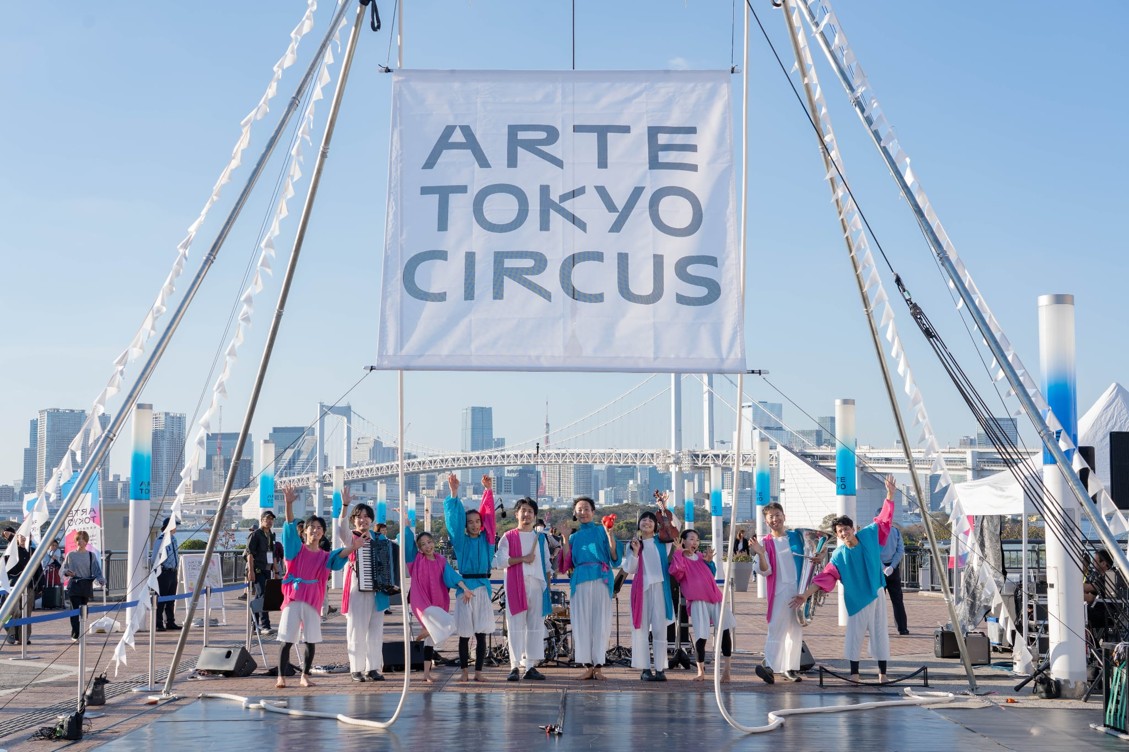
In Tokyo, contemporary art is leaving traditional exhibition spaces to become part of the fabric of the metropolis. Along the waterfront, in historic parks and across some of the city’s most distinctive districts, ARTE TOKYO makes its debut: a new international festival of arts and culture running from 10 October to 31 December 2026. Public art installations, live performances and light displays are spread across the waterfront, Hibiya, Marunouchi, Yoyogi and Shibuya. The major opening event, ARTE TOKYO CIRCUS, held in Odaiba on 10 and 11 October, attracted around 2,500 people.
Tokyo Bay as an extraordinary stage
Until 20 December, Tokyo Bay becomes one of the festival’s outstanding stages through the TOKYO ATLAS International Art Exhibition, a route that brings together outdoor spaces and exhibition venues in Odaiba, Aomi and Tennozu.
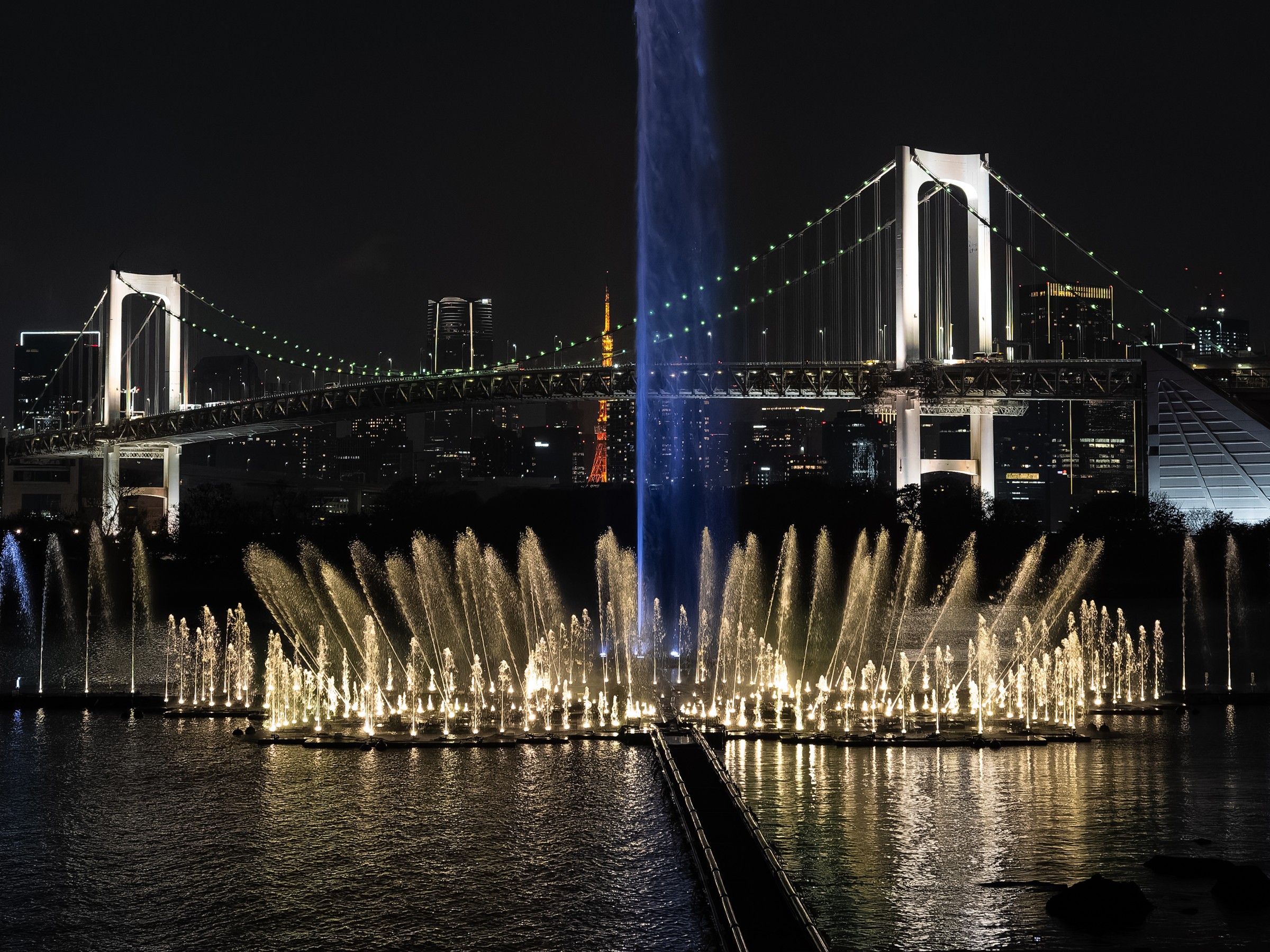
At Odaiba, at the entrance to the bay, visitors are greeted by a six-metre-tall rabbit sculpture by Leiko Ikemura. The surrounding waters come to life with Tokyo Aqua Symphony, a fountain show combining water, light and music.
Moving on to Aomi, visitors can discover celebrated creations by Yayoi Kusama, including the well-known inflatable installation Yayoi-chan and another work being presented in Japan for the first time. Separately, the November ARTE TOKYO programme in the waterfront area also features Umi no Hammock by architect Yuko Nagayama. The artistic journey along the waterfront culminates in Tennozu, where the route continues inside WHAT MUSEUM, one of the area’s key museum venues.
ARTE TOKYO CRUISE: the city seen from the water
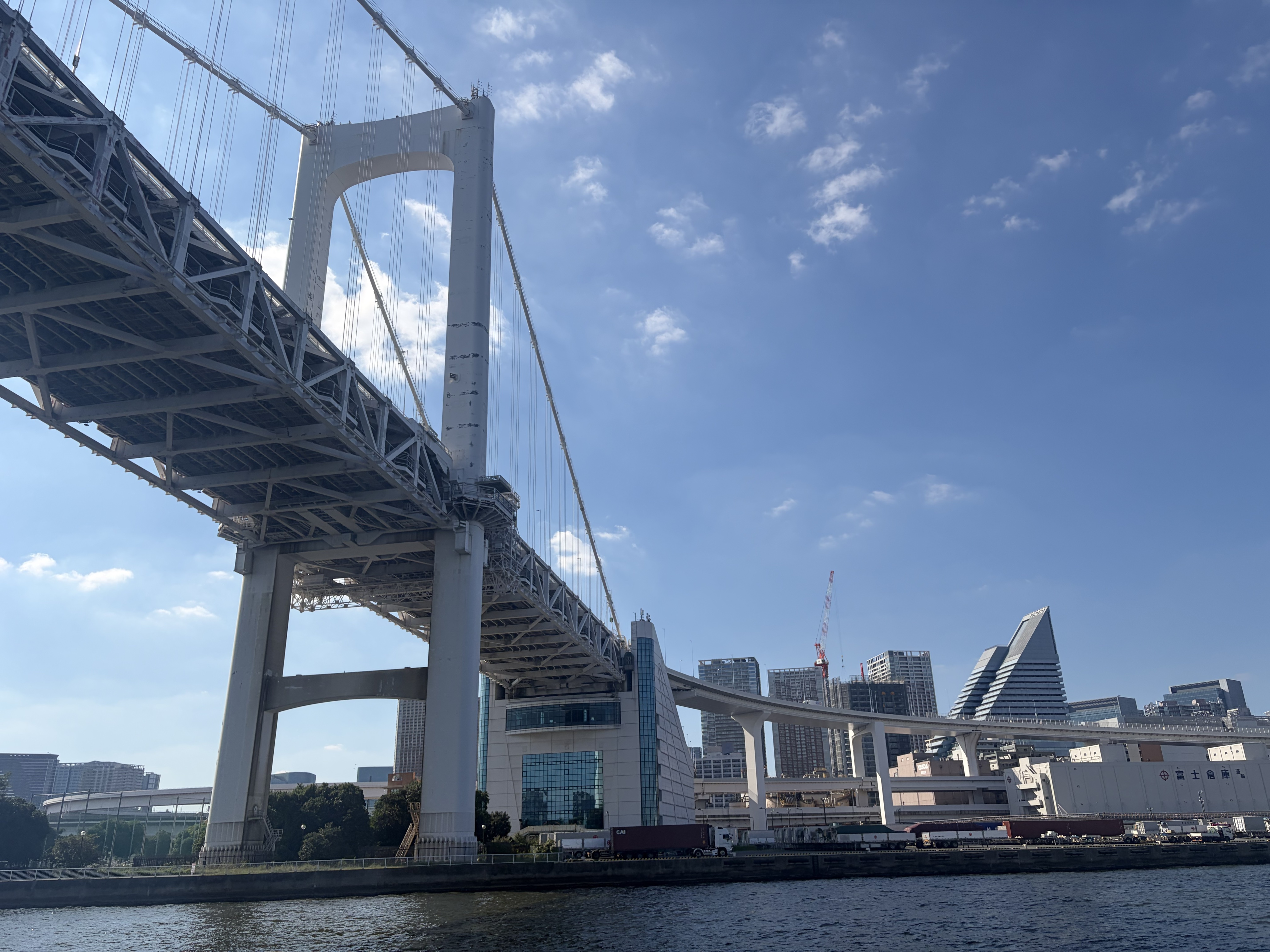
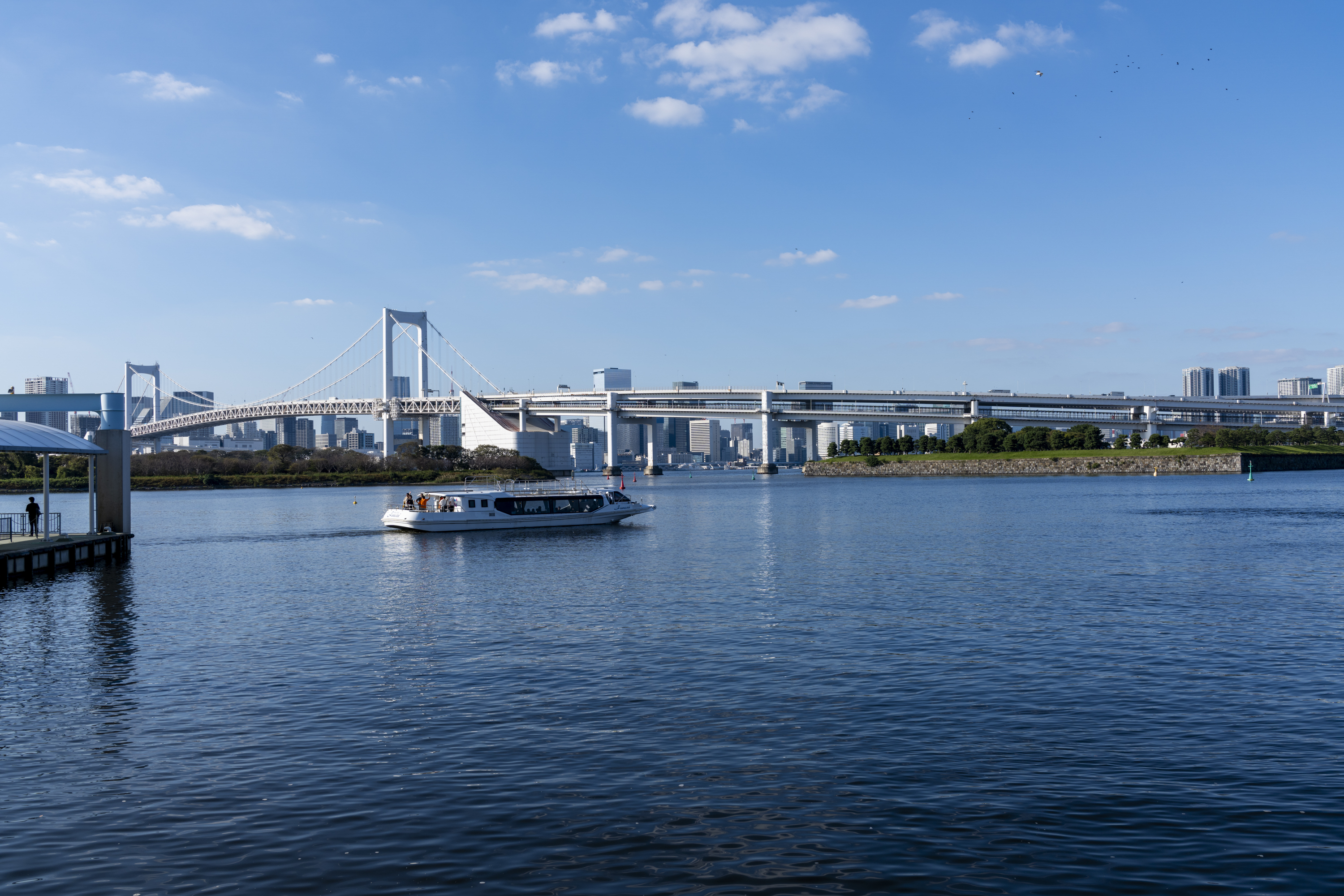
ARTE TOKYO CRUISE connects the bay’s different exhibition venues. Created in collaboration with TOKYO ATLAS, the art cruise links Odaiba Marine Park directly with Tennozu Pier, offering a fresh perspective on Tokyo’s skyline and bridges. The journey between exhibition venues becomes an urban experience in its own right. The service is scheduled to run on weekends and public holidays, with some exceptions, until 20 December.
Light installations and artists’ gardens
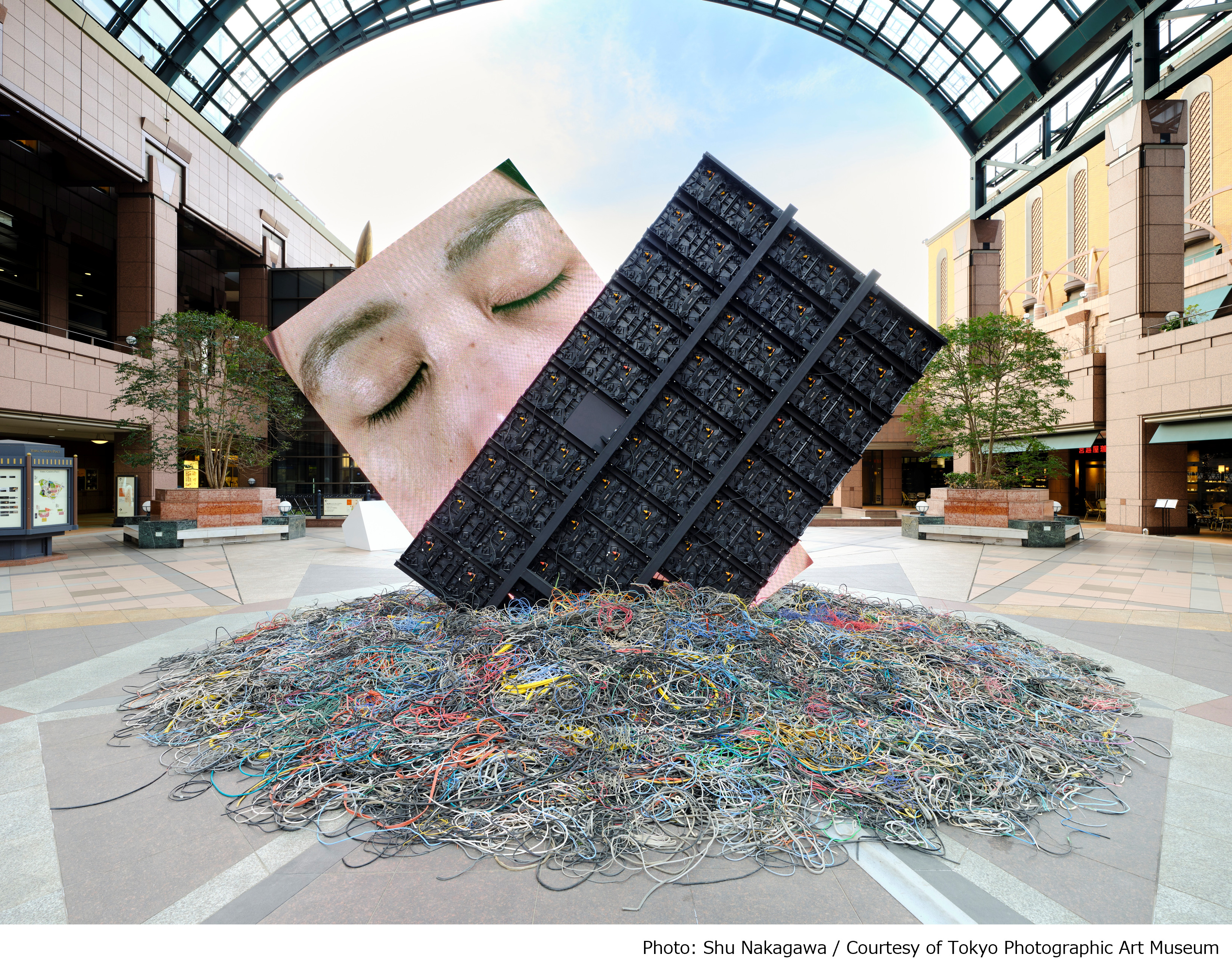
As autumn progresses, the festival will reach further across the capital, bringing artworks and light displays to different neighbourhoods. From late November to early December, exonemo’s Kiss, or Dual Monitors (2026) is scheduled for the Hibiya and Marunouchi area. Here, art installations will sit alongside the traditional winter illuminations.
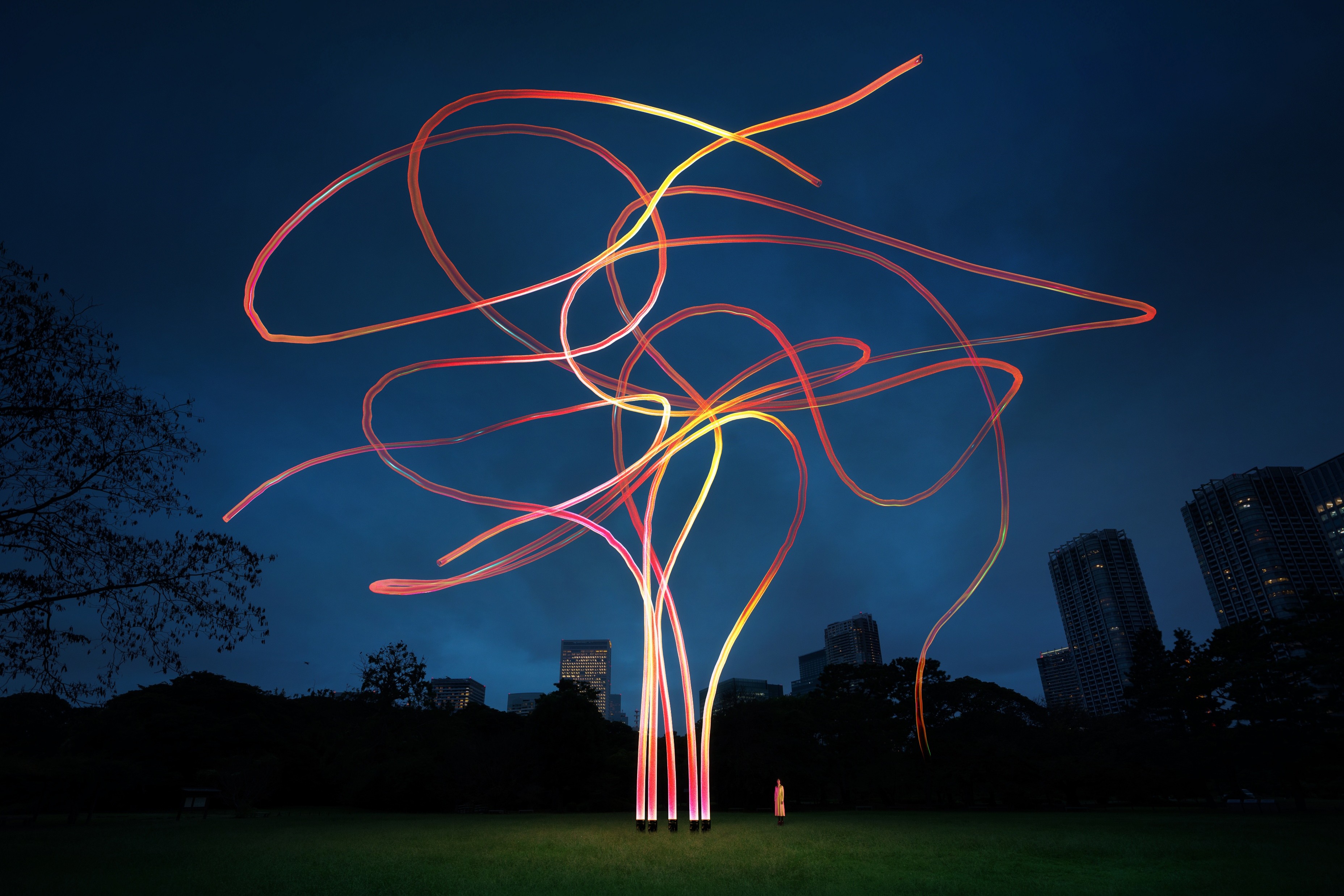
From 25 November to 24 December, Hama-rikyu Gardens will host teamLab Hamarikyu, an evening art project by the teamLab collective. The historic Japanese garden will become an art space set between nature and the Tokyo skyline.
In December, the itinerary will extend to Yoyogi and Shibuya with the arrival of Gravity and Grace by Shinji Ohmaki: a monumental, seven-metre-tall vase-shaped structure that emits an intense light.
Bringing together public installations, journeys by water and views of the city, ARTE TOKYO reveals a new side of the Japanese metropolis, placing contemporary artistic exploration alongside its established cultural, culinary and architectural attractions.
Sources and images: Press release: Tokyo Tourism Representative Office, Italy. Photo credits: Tokyo International Arts Festival Executive Committee; Shu Nakagawa / Courtesy of Tokyo Photographic Art Museum; teamLab, as stated in individual captions. All image rights are reserved to their respective rights holders.