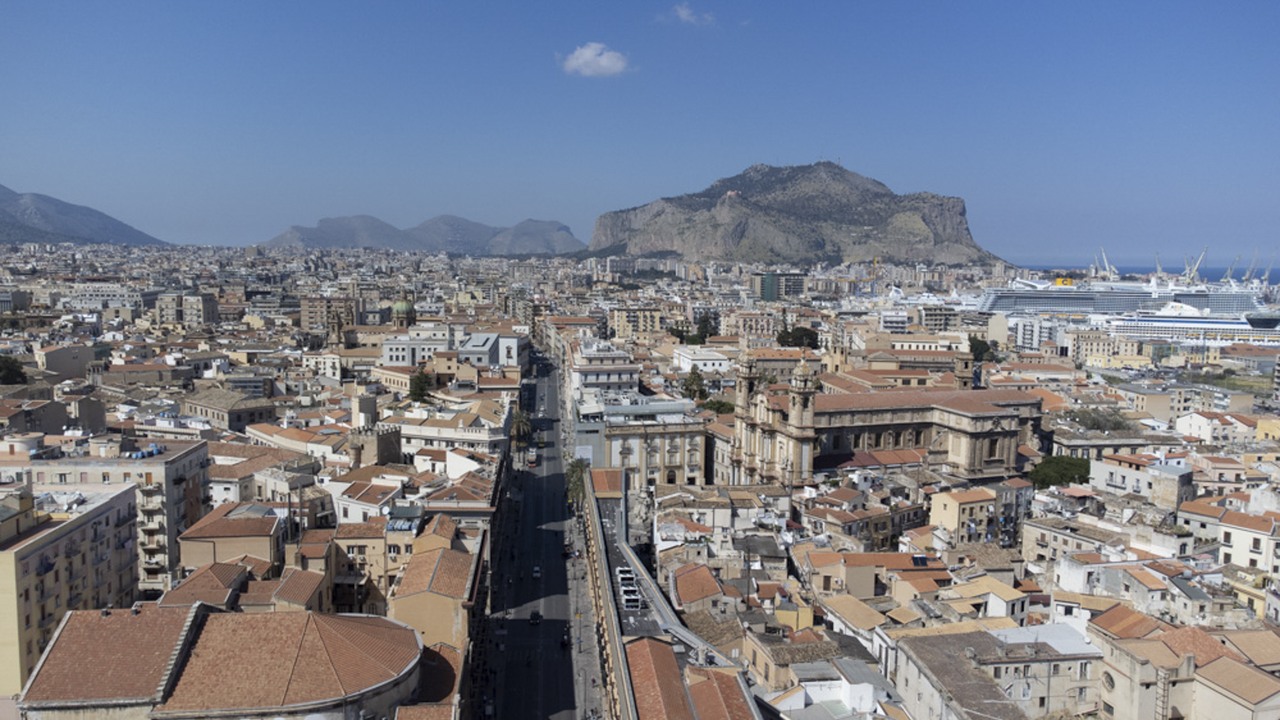
In The Leopard, Tancredi sees change as the means of preserving the established order. His famous insight seems to reveal something of Sicily’s own nature. The island has lived through successive periods of foreign rule, transformation and splendour while retaining a character recognisable across the centuries. In Palermo, that history can be read in its architecture, aristocratic palaces, chapels that bring together different artistic languages, and museums preserving the evidence of a millennia-old past.
The journey offers an opportunity to explore these layers through some of Palermo’s most representative buildings and, a little beyond the city, the archaeological site of Segesta. The route leads from a hotel that recaptures the elegance of the early twentieth century to the documents preserved in a literary home, from the collections of the Salinas Museum to the rooms of Palazzo Butera, then to the Palatine Chapel and the ancient landscape of the Elymians. What emerges is a city facing the sea that has made memory part of everyday life, inhabiting both its monuments and its contemporary spaces.
Palermo’s Liberty architecture, an opening statement of style
The first encounter with Palermo takes place at Palazzo Liberty Unique Hotel, a property in the Geocharme Luxury Collection housed within Palazzo Ammirata on Via Roma. The building is a surviving example of the city’s Liberty period. Its façade features floral and geometric motifs, cement and plaster work, paintings that imitate mosaics, a corner turret and sinuous wrought-iron railings. The result is an elegant building in which the ornamental richness of Art Nouveau takes on a particularly distinctive local form.
The palazzo was commissioned by Francesco Ammirata, who even bought a boat to salvage wood and iron for its construction using the techniques of the time. Geocharme began restoring the building in 2021, returning it to its original elegance while preserving historic features and introducing a contemporary sensibility. Inside, decorated ceilings and period floors coexist with practical modern spaces, while the interiors remain firmly rooted in the history of the residence.
Particularly striking is the way Liberty style is accompanied by references to Palermo’s character. Alongside early twentieth-century decoration and geometry are paintings that evoke the city’s history, and details suggesting a classical, Mediterranean, almost painterly beauty. This balance gives the interiors a clear identity, avoiding the effect of a merely decorative reconstruction.
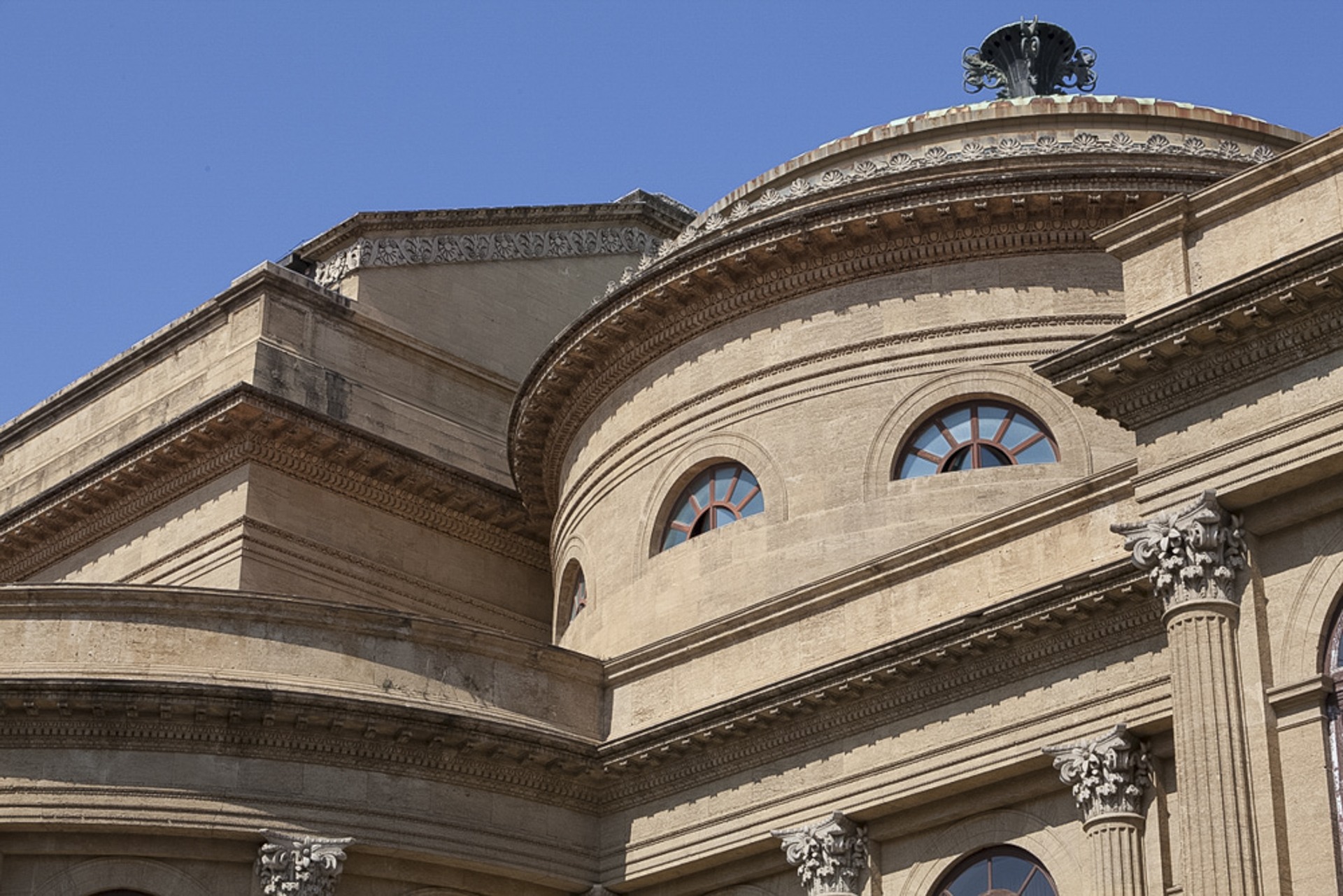
The location, between the Teatro Massimo and the Teatro Politeama, makes it easy to reach some of the Sicilian capital’s main cultural landmarks. Via Roma takes visitors through a lively, commercial and sometimes chaotic Palermo, where monumental buildings coexist with everyday activity. Returning to the hotel after a day of visits means finding an interior with a well-defined personality, its elegance continuing the conversation with the city.
The Salinas Museum and the memory of the Mediterranean
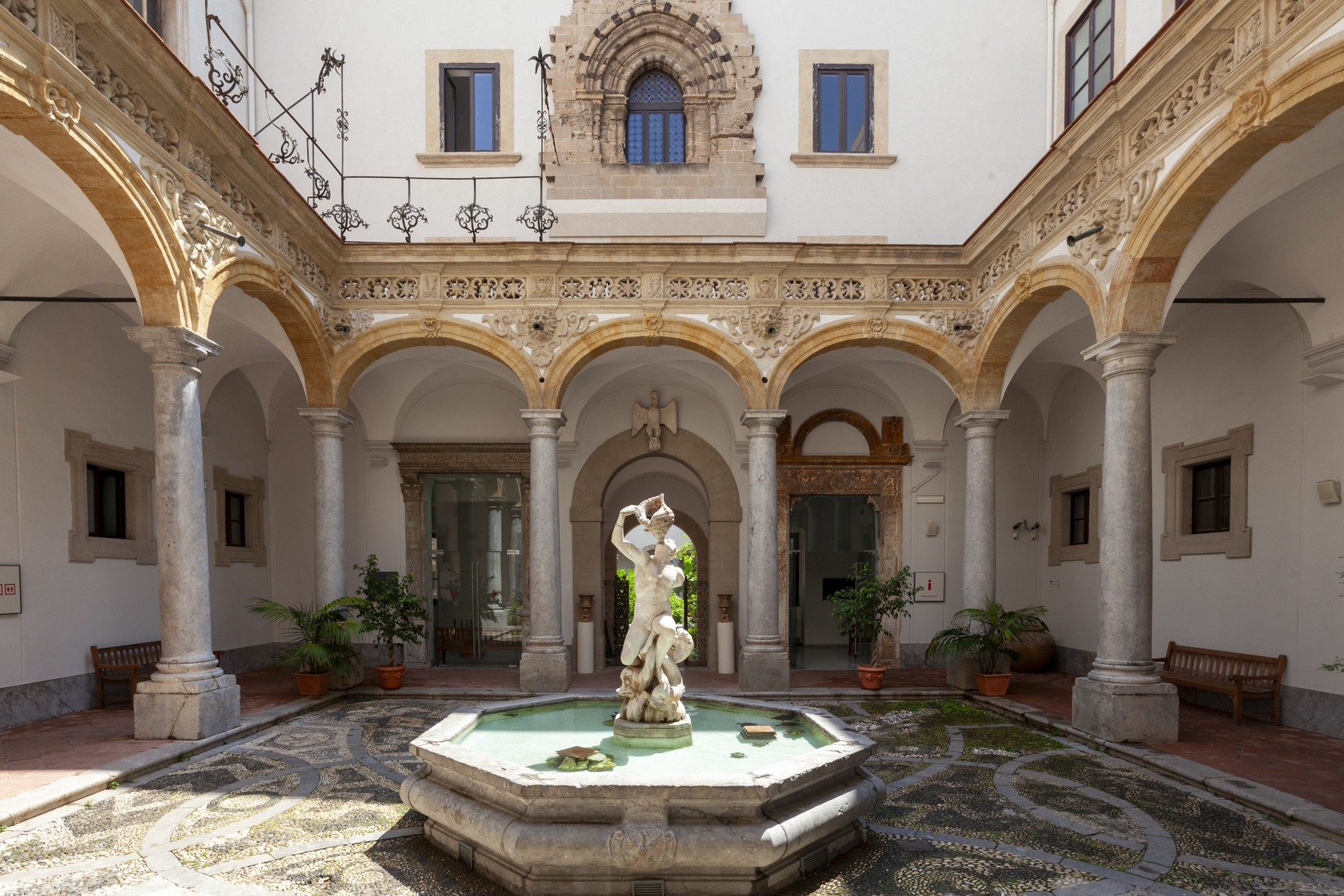
To understand Palermo’s place in the island’s history, it is necessary to look much further back than the age of its grand aristocratic residences. The Antonino Salinas Regional Archaeological Museum offers a privileged perspective, bringing together evidence of the civilisations that succeeded one another in Sicily and the relationships that linked the island to other Mediterranean shores for centuries. Its setting, in the former convent of the Fathers of the Congregation of the Oratory of Saint Philip Neri, in the Olivella district, already establishes a distinctive atmosphere: courtyards, historic interiors and exhibition rooms form a succession of spaces in which religious architecture meets archaeological memory.
Founded in 1814 as the Museum of the Royal University, the Salinas is Sicily’s oldest public museum. It takes its name from Antonino Salinas, the Palermo-born archaeologist and numismatist who directed it from 1873 to 1914. Its collections include material from the island’s principal archaeological sites, with particular attention to western Sicily, documenting a land profoundly marked by Greeks, Phoenicians, Carthaginians, Romans and indigenous peoples. A visit feels like a journey through a geography far wider than the island itself: each object points to trade routes, artistic exchanges, political contacts and religious practices that helped shape Sicily’s Mediterranean identity.
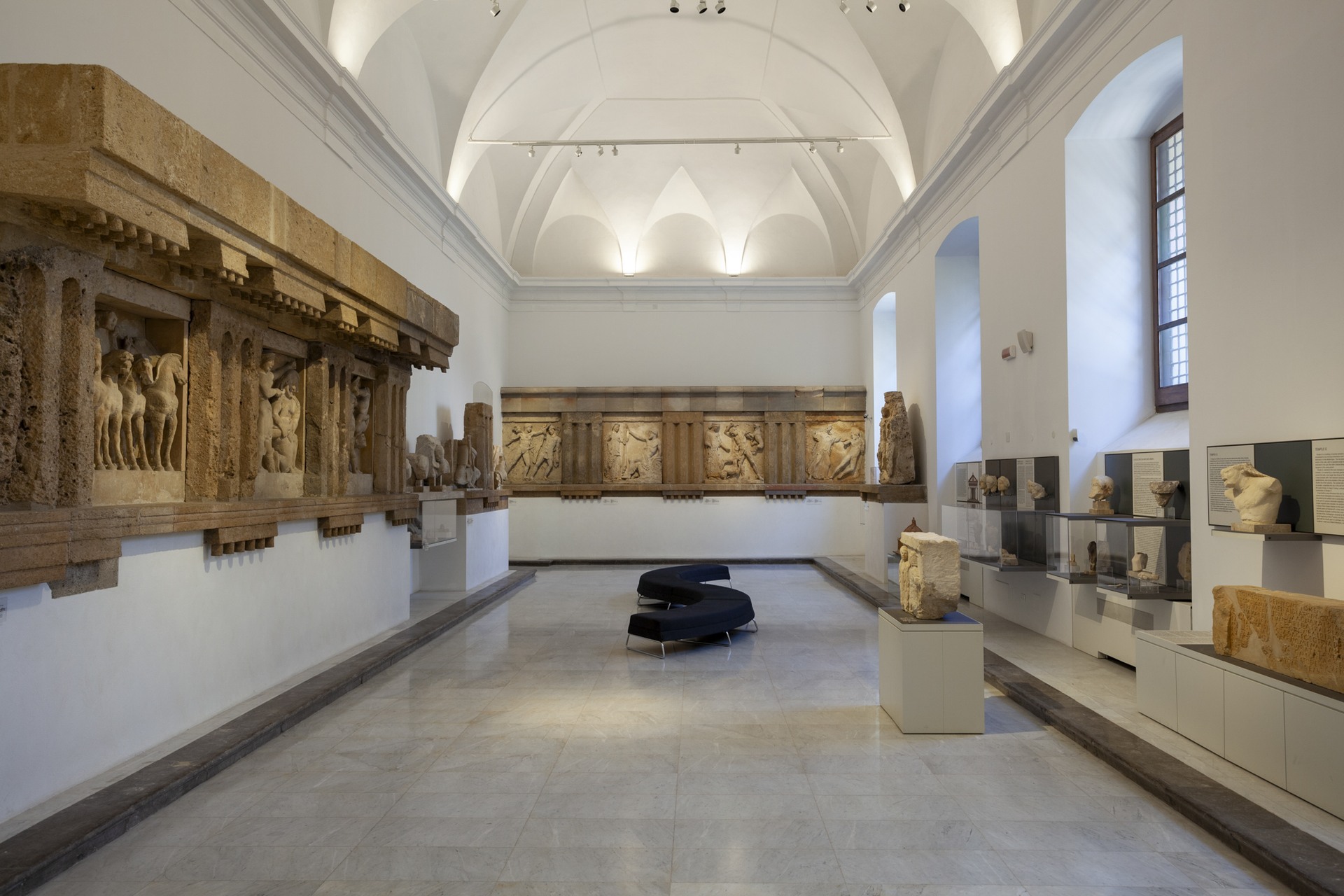
Among the most striking works is the monumental Gorgon from the pediment of Temple C at Selinunte. The mythological creature’s face, powerful and almost unsettling, retains its visual force. In antiquity it occupied the upper part of the temple, contributing both to the architectural decoration and to the sacred building’s symbolic function. The Gorgon also had an apotropaic role: its image was intended to protect and intimidate, giving the sculpture a purpose far beyond ornament. Seeing it today in the museum’s reconstruction makes it possible to imagine its effect on visitors to ancient Selinunte, when its face dominated the temple.
The route also invites visitors to linger over the metopes from Selinunte’s sacred buildings and the monumental remains from Himera, including the lion-head waterspouts from the Temple of Victory. These are accompanied by Phoenician and Punic finds, funerary material, ceramics, sculptures and everyday objects that convey a tangible sense of the civilisations that inhabited the island.
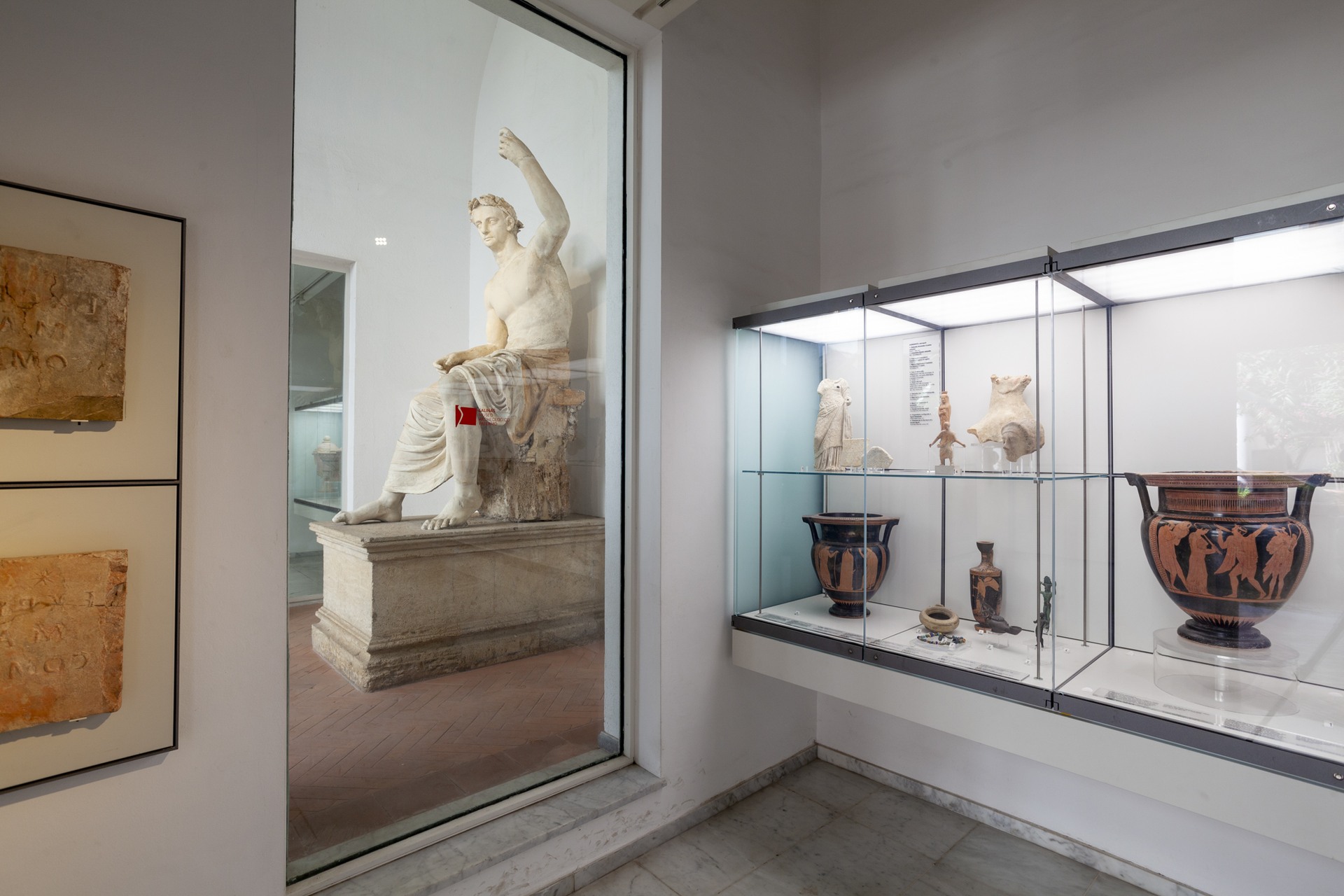
The Salinas restores Sicilian history to its broader context, resisting any single interpretation. Ancient Sicily was a place of passage, reciprocal influence and constantly changing identities. The collections demonstrate this through objects from different contexts, documenting both the island’s cultures and its relationships with the outside world. They provide valuable background for understanding the Norman period and, later, the relationship between Palermo and the ancient cities of the interior.
The Palatine Chapel, a masterpiece of artistic languages and civilisations
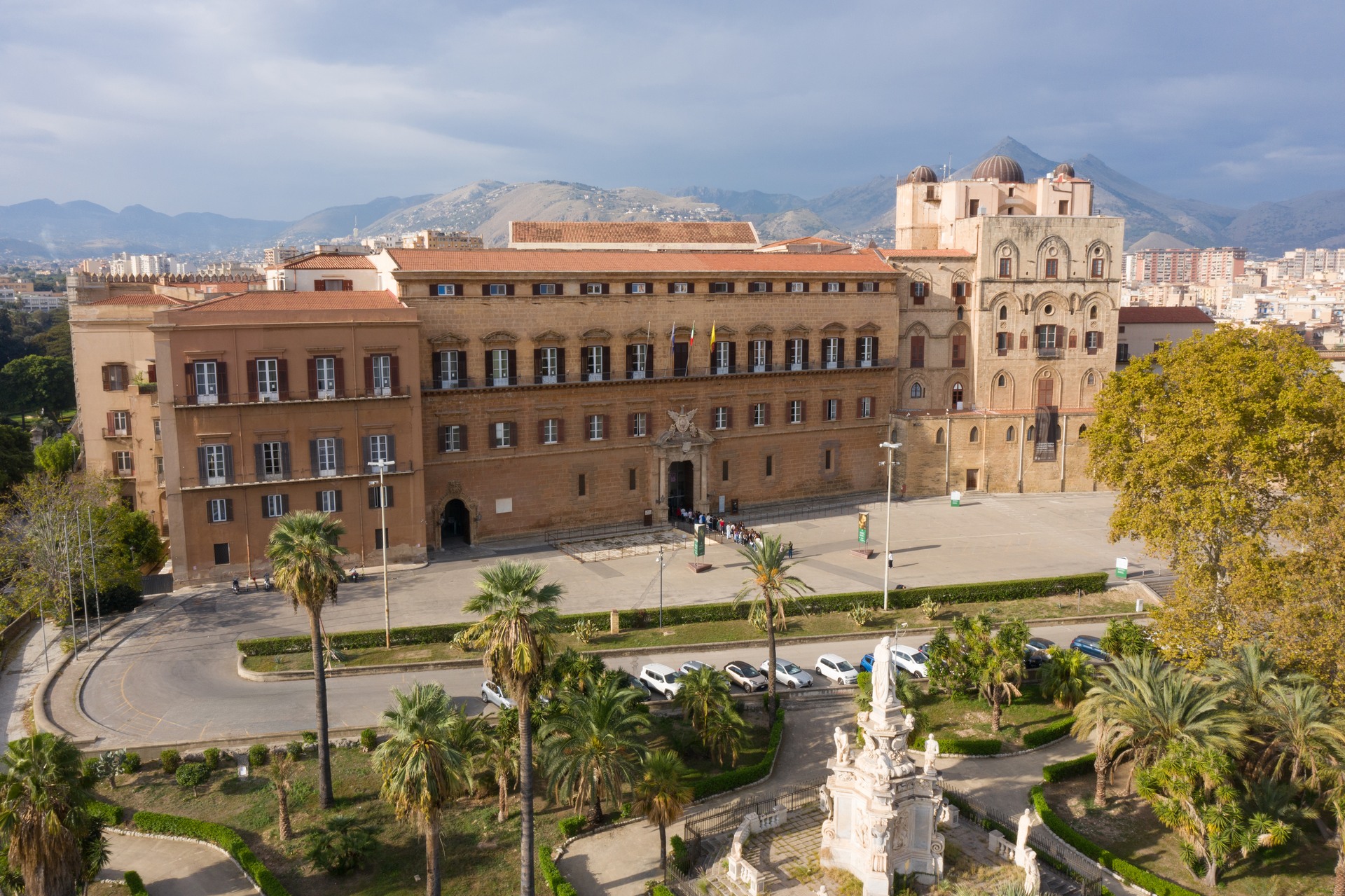
A morning devoted to the Norman Palace leads to one of medieval Palermo’s most extraordinary interiors: the Palatine Chapel. Commissioned by Roger II, the chapel was begun in 1130 and consecrated on 28 April 1140, becoming one of the most eloquent symbols of Norman Sicily. The Royal Palace complex stands on a site previously occupied in Punic, Roman and Arab times. The Norman rulers transformed it into a ceremonial residence in which political purpose was intertwined with art and religion.
Entering the Palatine Chapel means encountering a work to which several cultures contributed within a single project. Its basilican plan, with a nave and two aisles, belongs to the Latin tradition, while the golden mosaics covering its surfaces express the great Byzantine artistic tradition. The wooden muqarnas ceiling, meanwhile, is the work of Islamic craftsmen, who brought to a Christian building a decorative technique characteristic of Arab architecture. Their coexistence is immediately striking: the gaze moves from the dome dominated by Christ Pantocrator to biblical scenes, from column capitals to the geometric decoration of the wooden ceiling.
The Palatine Chapel is one of the places where Sicily’s multicultural history becomes immediately legible. Roger II’s vision and the work of craftsmen from different Mediterranean regions are also expressed in the individual furnishings. The result is an extraordinarily rich interior, where every surface contributes to a specific conception of power and spirituality. The floor, marble inlay, ambo and Easter candlestick all form part of this composition, in which precious materials and refined workmanship create an ensemble of rare harmony.
The visit leaves an impression that cannot easily be reduced to a single image. Light strikes first: reflected by the golden tesserae, it draws the eye across the surfaces and gives the chapel an almost dazzling depth. Then come the details, the ceiling decoration, figures emerging from the walls and columns supporting the aisles. The Palatine Chapel tells of a Sicily able to embrace different artistic languages and bring them together in one of the most refined artistic achievements of the European Middle Ages.
Palazzo Lanza Tomasi, where literature becomes a home
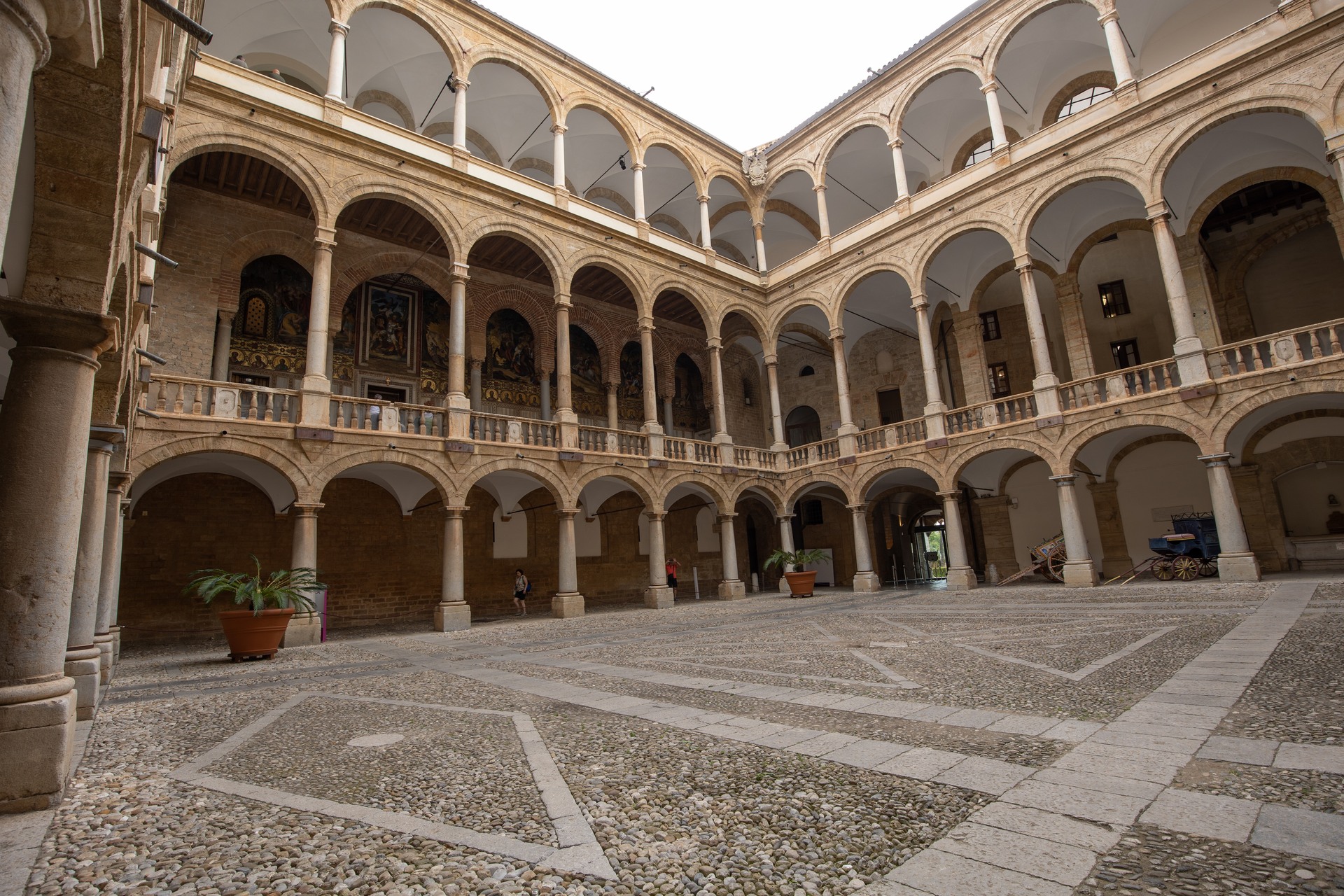
In the Kalsa district, overlooking the waters of the Gulf of Palermo, Palazzo Lanza Tomasi preserves an important chapter of twentieth-century Italian literature. It was the last home of Giuseppe Tomasi di Lampedusa, author of The Leopard, and still retains the rooms in which he spent the final years of his life. The palazzo’s history, however, begins long before his arrival. The eighteenth-century building stands on the city’s old walls and was bought in 1849 by Prince Giulio Fabrizio Tomasi di Lampedusa, the writer’s great-grandfather and the model for the novel’s protagonist. The family’s story runs through Palermo’s subsequent transformations, including the destruction of Palazzo Lampedusa, the Tomasi family’s historic residence, in the bombings of 1943. In 1948 Giuseppe managed to buy back Palazzo Lanza, where he lived until his death in 1957.
Welcoming guests on the staircase of this story within Palermo’s history is Nicoletta Polo Lanza Tomasi, Duchess of Palma and widow of Gioacchino Lanza Tomasi, the writer’s adopted son. During the visit, the duchess leads the way through the rooms, recounting the family’s history, showing the furnishings and pausing over the documents that make up the palazzo’s literary heritage. Memory here is tangible and personal in the fullest sense. It resides in objects, family photographs, ancestral portraits and the books that still fill the library shelves. It also resides in the duchess herself, a witness to and guardian of the palazzo’s history.
The books and documents on display preserve an essential part of Tomasi di Lampedusa’s literary legacy: his manuscripts, including the complete manuscript of The Leopard, the novel’s typescript, the draft of its fourth part containing a page omitted from the published edition, and other documents relating to his work as a writer. There are also manuscripts of his lectures on English and French literature, short stories, childhood recollections and an early draft of The Siren.
The novel that made Tomasi di Lampedusa’s name famous appears here in its original dimension: a work shaped by the patient labour of writing, through corrections, reconsideration and successive revisions. Its publishing history is equally unusual. The manuscript was initially rejected by two publishers and only after the author’s death was it accepted by Feltrinelli, which published it in 1958. International success would establish The Leopard as one of the great novels of the twentieth century, but Palazzo Lanza Tomasi returns it to its family origins, to the private history that the writer transformed into a universal reflection on time, power and the end of a world.
The historic library, left intact since the author’s death, is perhaps the room that most clearly conveys his intellectual personality. Its volumes bear witness to interests and studies ranging across European literature, history and philosophy. This is no theatrical reconstruction, but a collection that retains the character of a working and reading space. Photographs displayed throughout the rooms help reconstruct the family’s life and the context in which Giuseppe and his ancestors lived. Alongside books and manuscripts, the portraits reveal a more intimate dimension of the house: faces, generations and family relationships that the novel would later rework through the figure of the Prince of Salina.
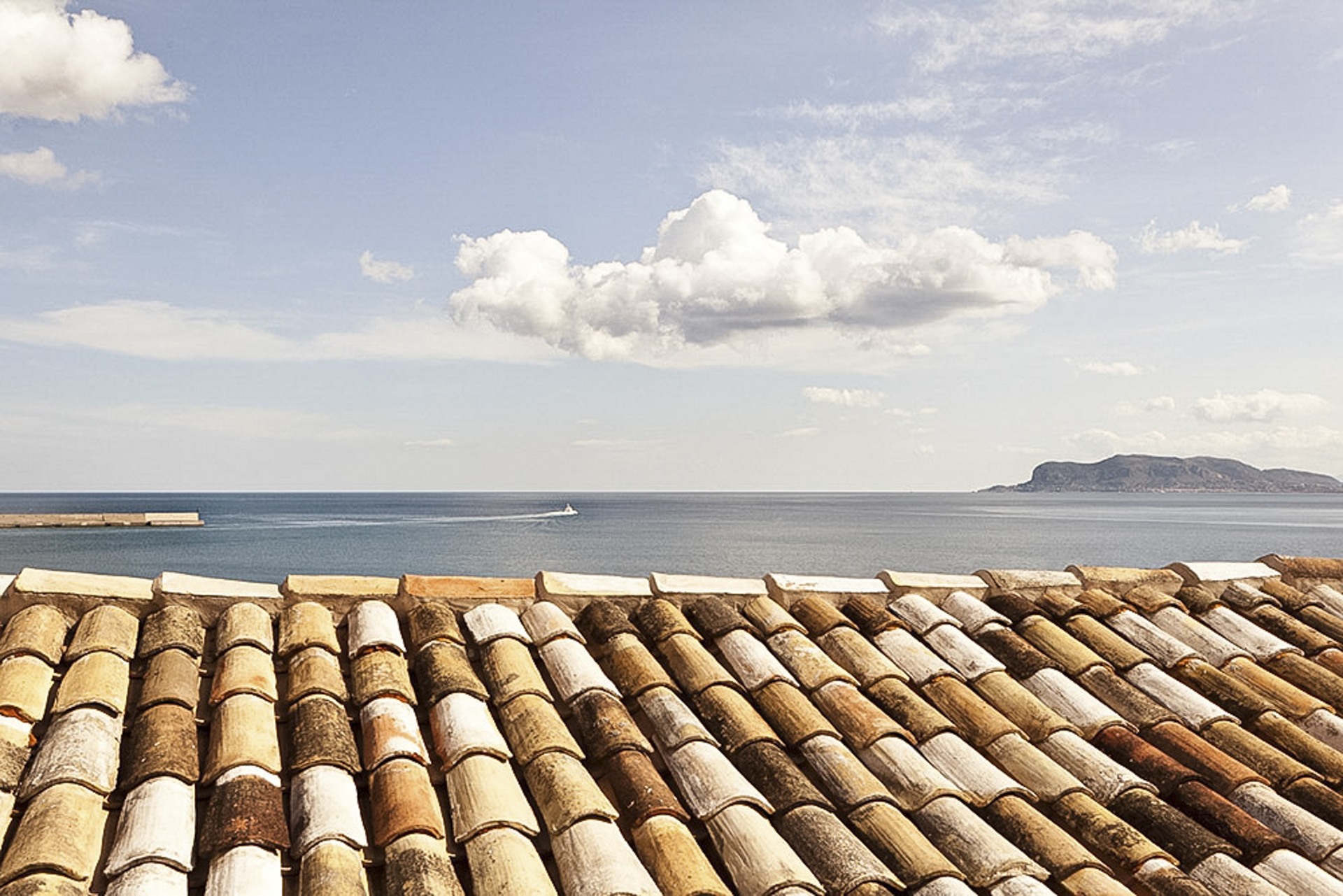
The restored south-western wing adds further elements to the story. It houses portraits of the writer’s ancestors, a collection of eighteenth-century French fans and English nautical charts from the late nineteenth century. The conference room, with its frescoed ceiling, and the so-called Mediterranean Room extend the route, revealing the variety of Palazzo Lanza Tomasi’s heritage and its links to the family’s material culture.
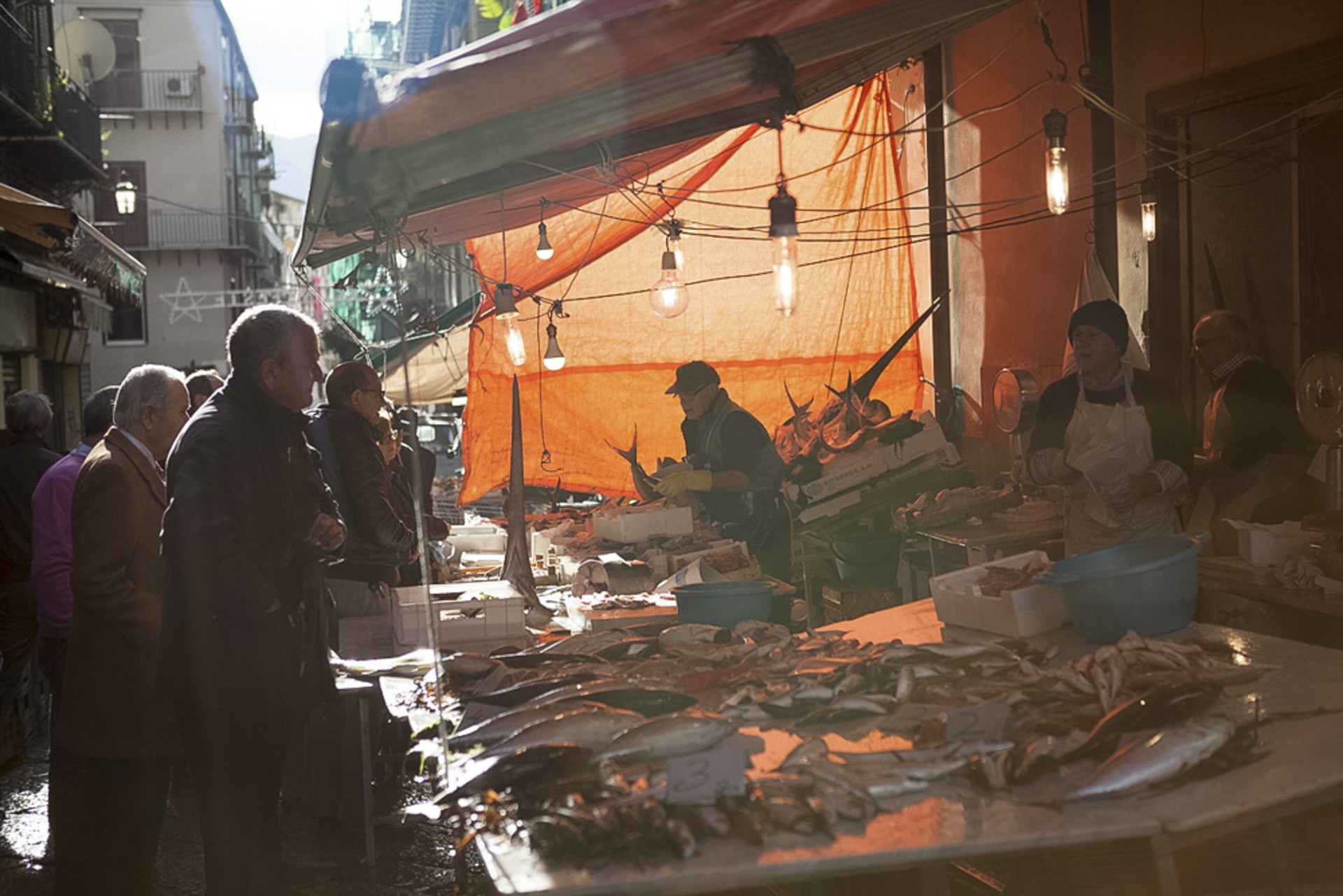
Today, the residence’s heritage is also shared through new forms of hospitality. Within the palazzo are the Butera 28 apartments, for guests wishing to stay in a historic setting, while Nicoletta Polo Lanza Tomasi organises Sicilian cooking lessons that offer a way into the island’s culinary heritage. The experience can include a market visit, selecting ingredients and preparing a menu in the palazzo’s kitchen, with the possibility of using herbs grown on the garden terrace. The table thus becomes another form of family storytelling, passing on gestures and recipes rooted in Sicilian domestic culture. Alongside this activity is the book Cooking with the Duchess: Sicilian Recipes and Stories from a Palazzo by the Sea, devoted to the residence’s recipes and stories and scheduled for publication on 20 May 2027.
Palazzo Butera, aristocratic memory meets a new cultural chapter
A short distance from the waterfront, Palazzo Butera offers another perspective on Palermo’s grand residences. Its origins lie in the late seventeenth century, while its present form developed mainly during the eighteenth century, when the Branciforti family, Princes of Butera, enlarged and transformed its interiors. Its seafront position, monumental scale and richness of space reflect the standing of one of Sicily’s most important aristocratic families. During the twentieth century the palazzo served various purposes, gradually losing its residential function and undergoing changes that also altered its presence within the city.
The turning point came when Francesca and Massimo Valsecchi bought the palazzo in the mid-2010s and launched an extensive restoration and conversion project. Coordinated by engineer Marco Giammona, with architectural and museum design by architect Giovanni Cappelletti, the work gradually restored the residence’s historic identity while giving it a new cultural purpose. The main restoration was completed in 2020, while the owners’ collection found a home in its rooms, establishing a dialogue between old masters, decorative arts and contemporary works.
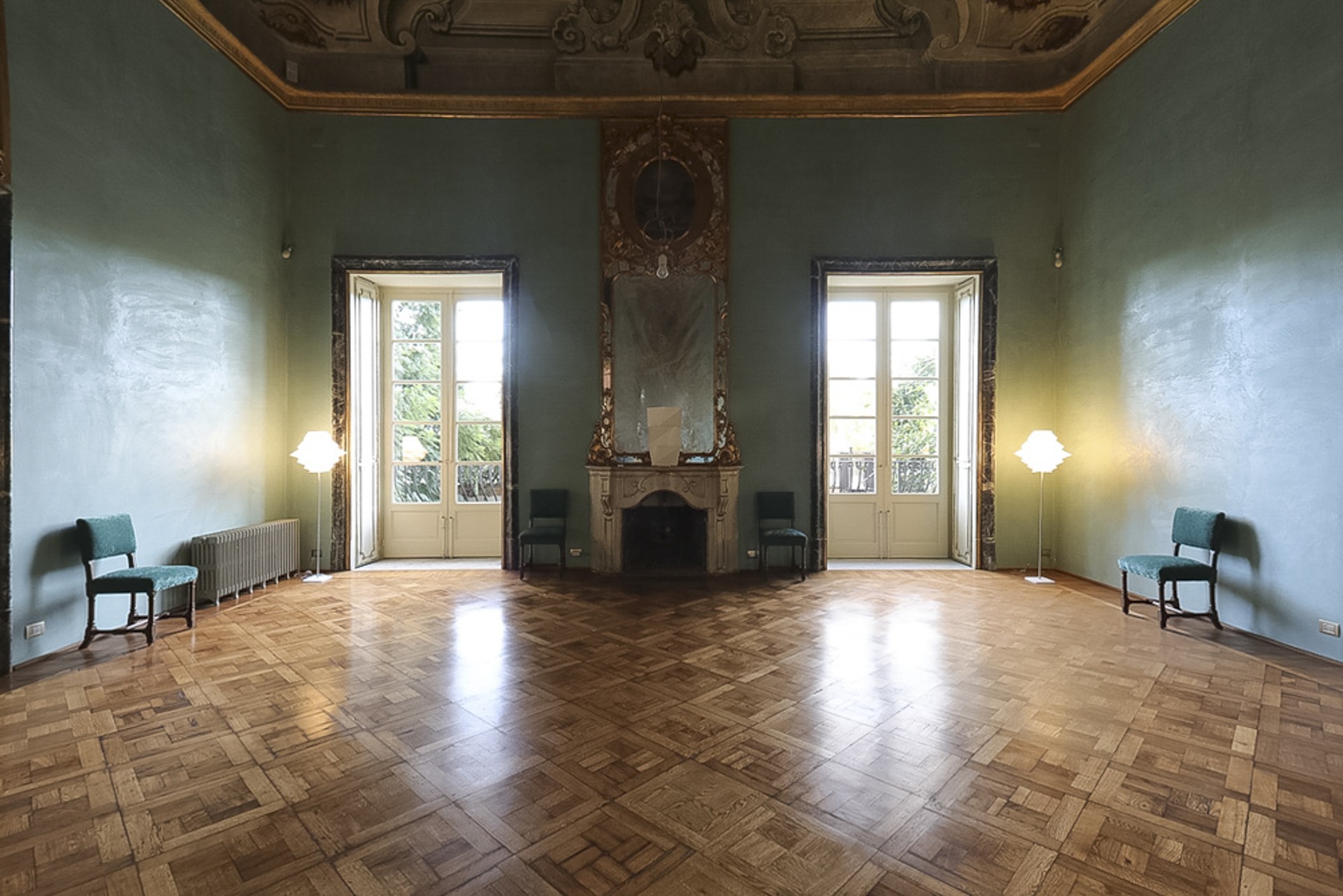
The guided visit, brief but rich in impressions, introduces a project that has returned a building of great value to the city. The interiors preserve the character of an aristocratic residence through the proportions of the rooms, their decoration and their relationship with the light from the sea. Most striking is the connection between the historic structure and its restoration: the palazzo appears to continue telling its past while embracing a new identity as a museum. The eye also turns to the roofs and upper spaces, details that reveal the complexity of a monumental building and the work required to open it to visitors once again.
Francesca and Massimo Valsecchi’s collection grew out of a personal journey of research begun in the late 1960s and encompasses old masters, decorative arts and contemporary work. Its presence within Palazzo Butera adds further layers to the visit: objects relate to the rooms, converse with the architecture and invite visitors to see the palazzo as a continually evolving cultural space. The Valsecchis’ project also has an urban dimension. Returning a historic building to public use contributes to the cultural vitality of the Kalsa, a district preserving some of the most important traces of aristocratic and monumental Palermo.
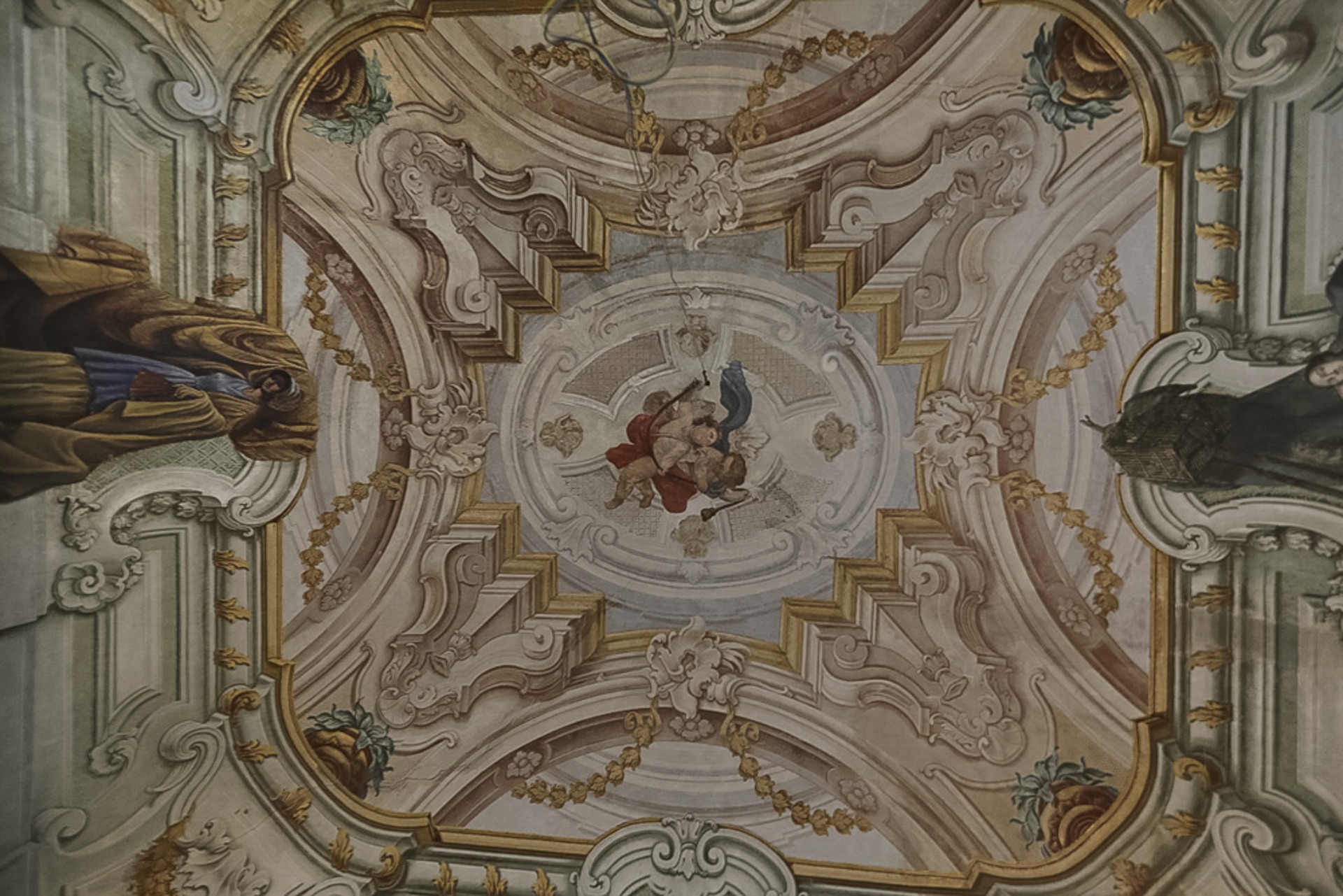
Palazzo Butera therefore offers a different image of the city’s memory: a heritage capable of finding a new function through care, collecting and cultural planning. The visit reveals the value of this transformation, suggesting the possibilities that can emerge when a historic residence meets a collection assembled over a lifetime.
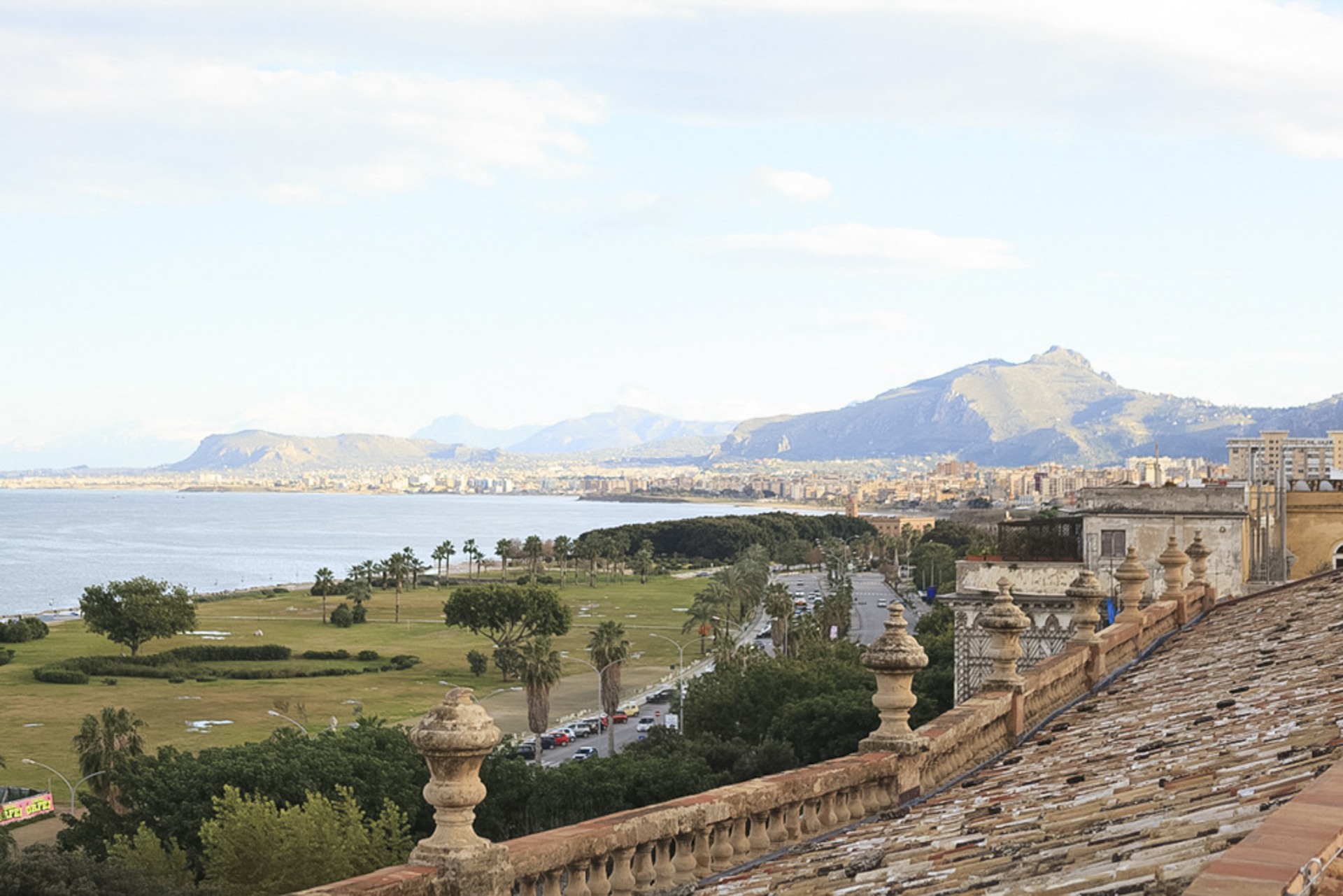
Palermo at the table, from the food shop to a chef’s cuisine
Palermo’s heritage also passes through its food, in a culinary culture where produce remains central and cooking is one of the most immediate ways of telling the story of the territory. The stop at FUD Bottega Sicula is an informal interlude devoted to a selection of typical cheeses and cured meats. The venue interprets the food-shop model in a contemporary language while maintaining its focus on Sicilian production and recognisable ingredients. This brief tasting introduces the variety of local produce before the route returns to a history expressed above all through architecture.
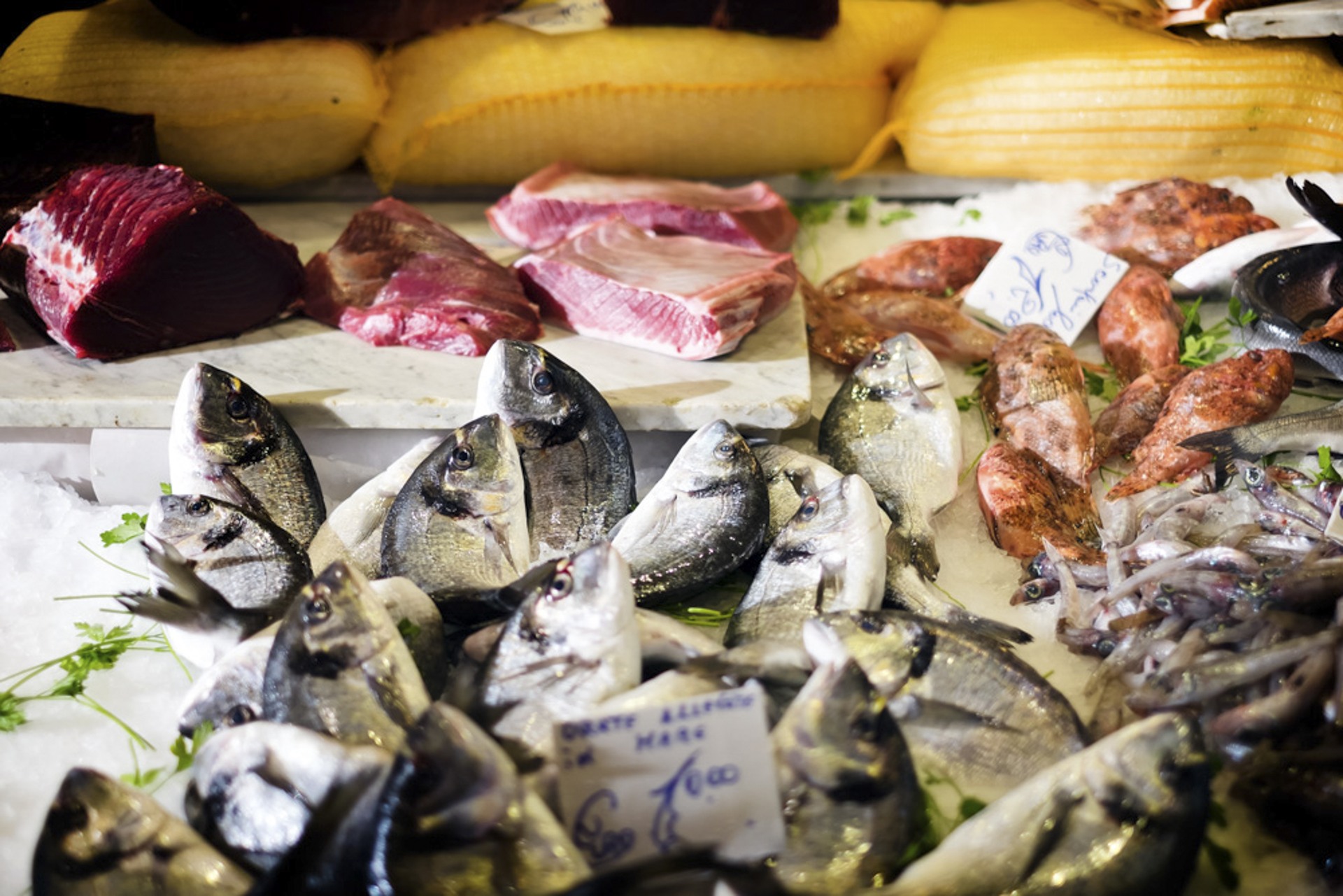
Dinner at Gagini leads instead to a more exploratory cuisine. The restaurant is on Via Cassari, in the Vucciria area, within premises associated with the sixteenth-century workshop of sculptor Antonello Gagini. The location helps define its character: outside is a lively Palermo of voices, shops and commercial routes; inside, dinner takes on a more intimate rhythm. Tiziana Francoforte, the restaurant’s executive chef since May 2026, is in the kitchen, while maître d’ Giuseppe Ingrassia leads the dining room.
The menu moves between ingredients from sea and land, with combinations seeking a personal interpretation of the produce. Oyster meets chicken fat, prawn is accompanied by notes of black lime, and raw grouper is developed through elements such as persimmon, green tomato and a white fish sauce. Chargrilled amberjack converses with beurre blanc, green mandarin and wild chicory, while the collar cut of young Nebrodi black pig is served with bitter almonds and white mustard. Across these dishes, the chef explores different registers of flavour through ingredients rooted in Mediterranean and Sicilian traditions.
Among the courses, the most compelling is Terra e Marea, a risotto in which lamb stock meets clams with Marsala and sweet chilli pepper. Its depth comes from the relationship between the clams and the meat stock: the shellfish retain a recognisably saline character, while the lamb adds intensity and roundness. Marsala helps bind the elements, accompanying their savoury quality without overpowering it, and sweet chilli pepper introduces an aromatic note that prolongs the flavour. The dish deserves attention because its individual components remain legible within a convincing and far from predictable whole.
The ending also holds a surprise. Pane, burro e acciughe, or bread, butter and anchovies, concludes the menu, taking a familiar combination into a different gastronomic setting through the relationship between richness, saltiness and remembered flavours. Bread and butter, everyday ingredients par excellence, are given a marine accent by the anchovies. The course lingers in the memory through its directness: a small variation on the domestic table within a more elaborately constructed dinner.
At Gagini, Tiziana Francoforte’s cooking reveals a personality interested in produce and the possibilities of interpreting ingredients, with particular attention to locally caught fish. Dinner completes the Palermo route from a perspective different from that offered by museums and palaces: the city’s culture also emerges through preparations that draw on its products and sensibilities and give them a contemporary reading.
Segesta, the solemnity of stone and the landscape of the Elymians
The final stage leads beyond Palermo to Segesta, an ancient Elymian city on the heights of Monte Barbaro. Hills alternate with valleys, while the monuments rise from the landscape with a presence that seems naturally part of its contours. Segesta was one of the principal centres of the Elymian civilisation, a people whose origins and identity are still studied, closely connected with the Greek world through exchanges, alliances and political rivalries.
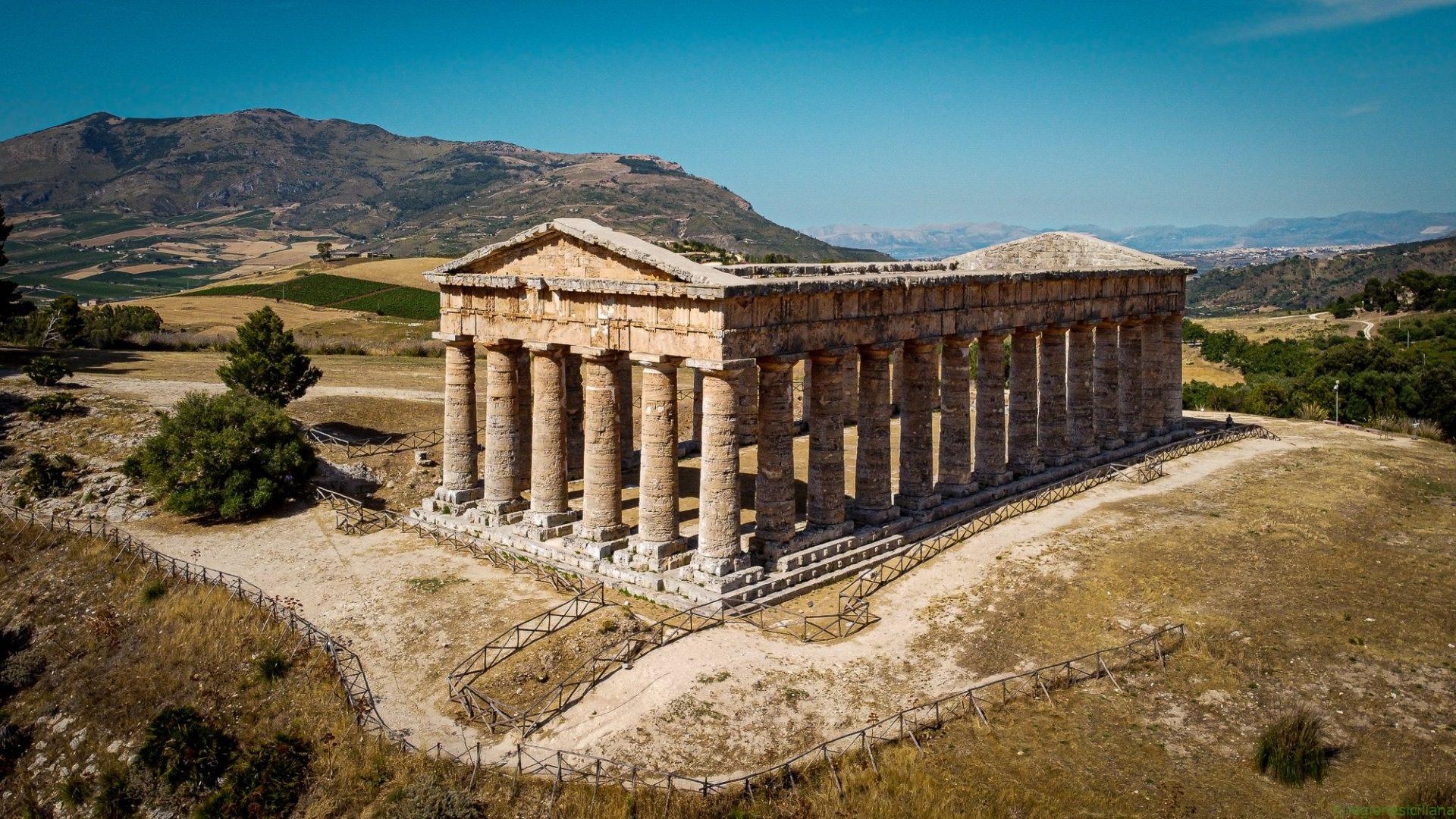
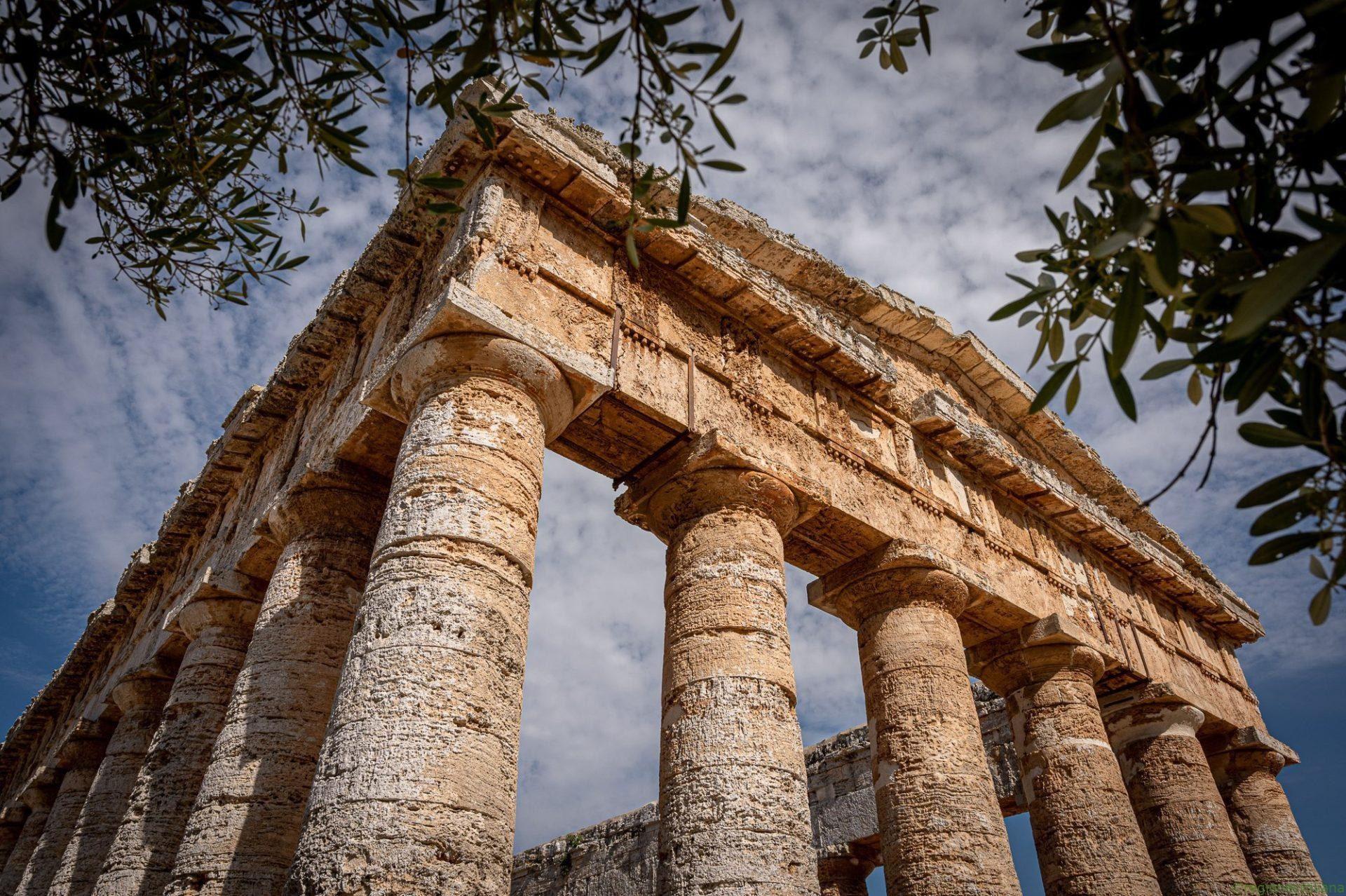
The Doric temple is the first monument to command attention. Built in the fifth century BC, it stands outside the ancient city’s main perimeter and preserves a peripteral structure of great harmony. The columns surrounding the building retain a monumental presence that stands out decisively against the landscape. Its preservation is remarkable, especially considering that the temple was never completed: some architectural elements are missing, and the roof and inner cella were never built, a circumstance that continues to raise questions about its intended purpose. The reasons why work stopped also remain partly unknown. The structure nevertheless retains an extraordinary visual force, heightened by its isolated position and the light falling across its stone surfaces.
The visit continues to the ancient theatre, built on the northern slope of Monte Barbaro in a striking panoramic position. The cavea, constructed with structures supported by retaining walls rather than cut directly into the rock, opens towards the surrounding countryside and allows the landscape to become part of the experience. The building dates from the city’s Hellenistic period and demonstrates the success of Greek architectural models at Segesta. Its tiers of seating extend along the slope, while the theatre’s orientation provides broad views over the valleys and hills of western Sicily.
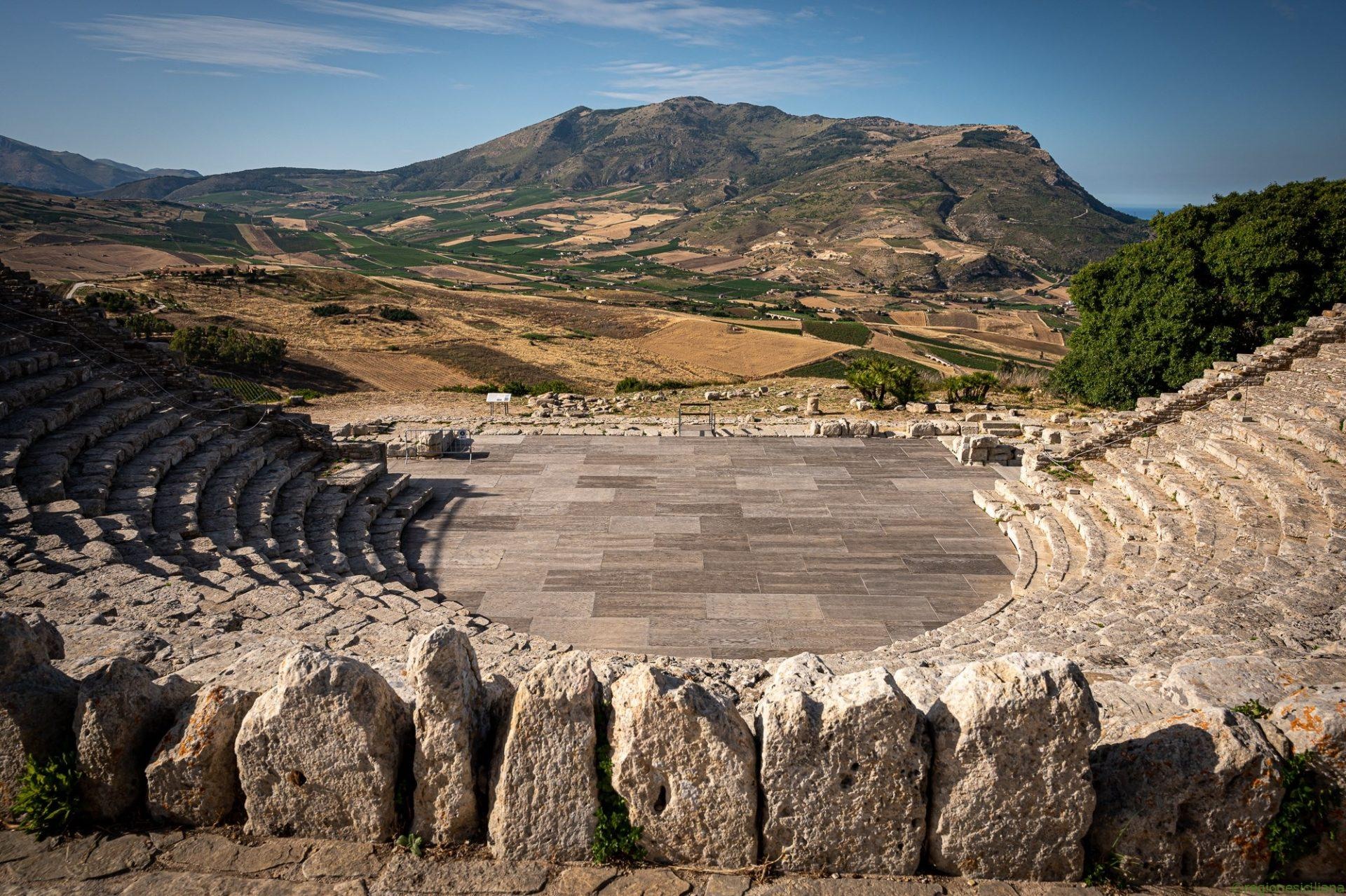
After Palermo’s aristocratic rooms, libraries, museum collections and the mosaics of the Palatine Chapel, the landscape opens around the ancient stones, revealing the most distant layer of Sicily’s story. The temple preserves its geometric severity, the theatre still looks towards the hills, and the wind moves through spaces once belonging to the life of an important Mediterranean city. It is an architectural presence that stays with the eye after the visit has ended, as happens in places where history has found a form capable of enduring across the centuries.
Sources and images: Photo credits: © Benedetto Tarantino for the images from his collection, as indicated in the individual captions. Photographs supplied by the Assovini Sicilia press office, which organised the tour. All image rights are reserved to their respective rights holders.