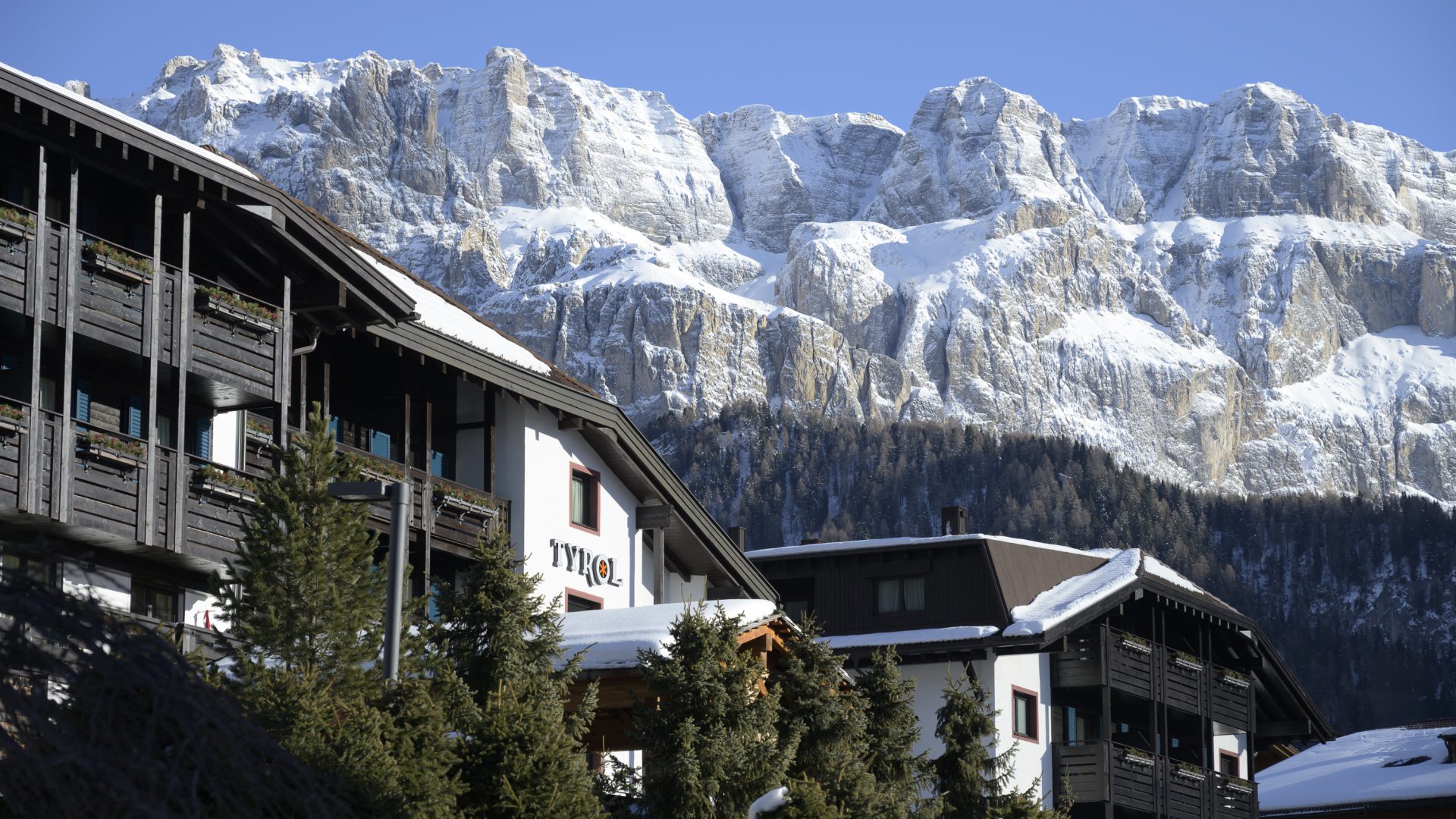
There are hotels where you stay, and others to which, after a few visits, you inevitably begin to return. The difference does not necessarily lie in the beauty of a room, the efficiency of a service or the richness of a spa. It is something less measurable, to do with a place's ability to create familiarity without sacrificing professionalism. At Hotel Tyrol in Selva di Val Gardena, this feeling has a precise source: a family that for sixty years has lived in its hotel before managing it.
The story begins in 1964, when Karl Malloyer and Frida Kasslatter buy a plot of land in a Selva very different from today's. She comes from a family of hoteliers; he is a trader. Around them are mostly meadows, and the land is chosen partly for its sunny position and proximity to the church. The ski lifts will come later. Two years afterwards, in 1966, Tyrol opens. It is little more than a house, but one destined to grow along with the valley.
The first major extension comes in the late 1970s, with an indoor pool and new spaces. But the transformation never happens through a clean break. It is, rather, a continuous process of additions, renovations, insights, a few family battles and a conviction destined to become the hotel's grammar: quality as the only real way to stand apart.
Bibiana Dirler grows up within this story. She starts working very young, at thirteen or fourteen, first waiting tables and later in the office too. She describes years when a day could mean thirteen or fourteen hours of work without time off, and rather than driving her away from the hotel, that life ends up winning her over completely. “For me, this work is life,” she says. It is probably the sentence that best explains what you still sense on entering Tyrol today. Not a profession practised within a home, but a home that has become a profession.
Then Maurizio Micheli arrives. A Tuscan entrepreneur, he is an outsider to an ecosystem in which family, place and hotel are tightly intertwined. Bibiana meets him in 1989. At first their relationship does not win her family's approval: they had imagined a local man for her, preferably someone connected to hospitality. For years Maurizio continues travelling up to Val Gardena, and their relationship unfolds between Tuscany and South Tyrol. It is their son Emanuele who brings a turning point: when asked what gift he would like for his confirmation, he replies that he would like to see his parents married. Bibiana and Maurizio marry, and he leaves his business to move permanently to Selva.
It is a decisive moment for Tyrol as well. Maurizio brings a different, entrepreneurial perspective and, above all, a kind of positive obsession with improvement. Settling in is not easy. He himself describes having to adapt to a world profoundly different from his own, rebuilding his own small universe of relationships within the hotel. Yet the challenge of growth shared with Bibiana becomes his guiding principle. “The first words we said to each other when I arrived were: we have to deliver quality.”
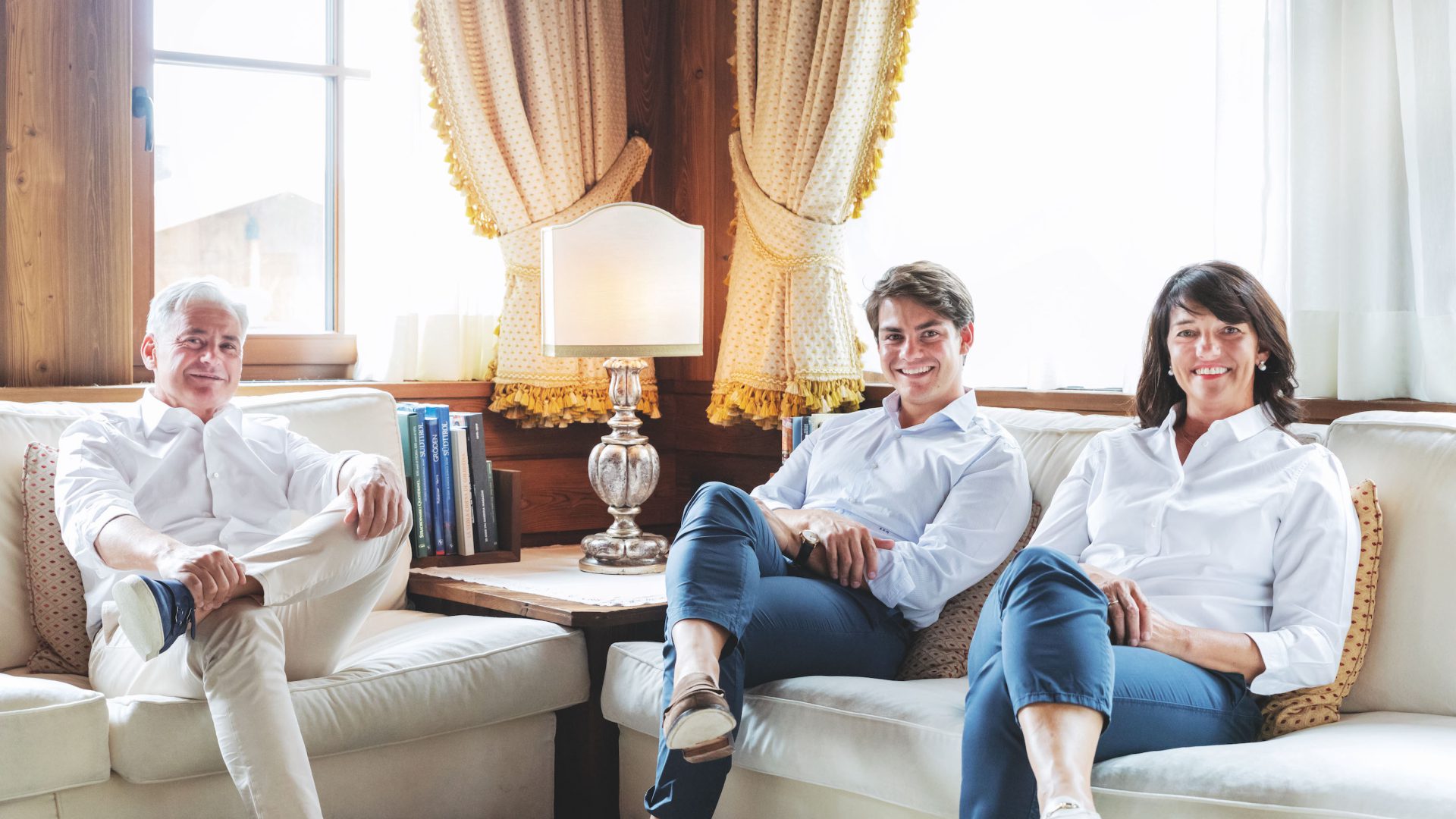
The phrase might even seem obvious, were it not that quality here is interpreted in the broadest possible sense. It is not only about what you eat or how precious a material is, but fabrics, silverware, paintings, flowers, atmosphere, maintenance and people. It is an almost domestic idea of luxury: surrounding yourself with beautiful, well-made things because they are what you live with every day.
With Bibiana and Maurizio, Tyrol thus enters a new phase. The property is gradually renewed while the previous generation continues to exert a strong presence. Some changes have to be introduced almost in secret: a tablecloth, a sofa, even renovating the pool while an aunt is away. Behind the amusing anecdote lies a dynamic common to many great family stories: preserving something also means having the courage to change what you have inherited.
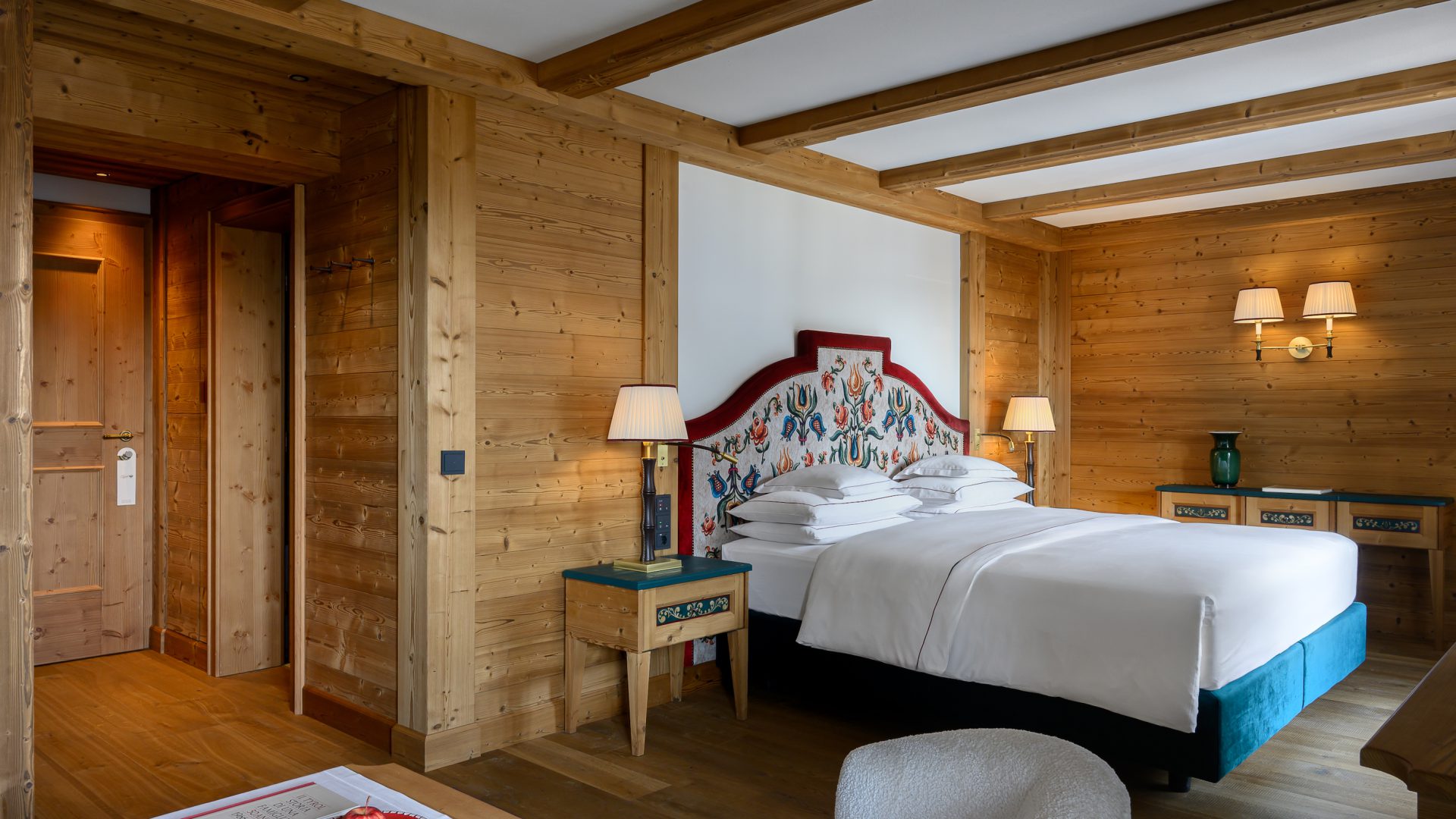
Today the result of these layers is clear. Tyrol has just achieved five-star status in the year it celebrates its sixtieth anniversary. Yet it has not become one of those mountain hotels where pursuing the contemporary ends up erasing every geographical reference. Wood, fabrics, Ladin references and Alpine materials continue to declare where you are, in dialogue with a more current design. The rooms have been renovated, and the 70-square-metre Penthouse, with fireplace, sauna and sensory shower, is the fullest expression of this evolution.
The location does the rest. The hotel is close to the village and the lifts, but enjoys a particularly favourable position. In winter that means access to the slopes; in summer, light and mountains within easy reach. Yet when Emanuele Dirler Micheli, now the family's third generation, is asked what Tyrol's real strength is, he does not start with architecture or facilities. He talks about human connection.
Here the story inevitably returns to Bibiana. She has the kind of empathy no hotel school can teach: she recognises guests, draws them in and moves constantly through the spaces of the house. Emanuele uses a particularly effective image: people arriving on holiday look for a pillow to lean on, but everyone wants their own — soft, firm, latex — and hospitality means understanding which one is right.
This is also why, over the years, Tyrol has become a kind of living room for Selva. Guests meet, reconnect with people they got to know on previous stays and build relationships. The clientele, once mainly Italian and European, has become international as the Dolomites' appeal has grown: North and South America, Asia, Australia. But the globalisation of the guest has not meant the globalisation of the identity. Those who arrive must still understand that they are in the mountains and, above all, in these particular mountains.
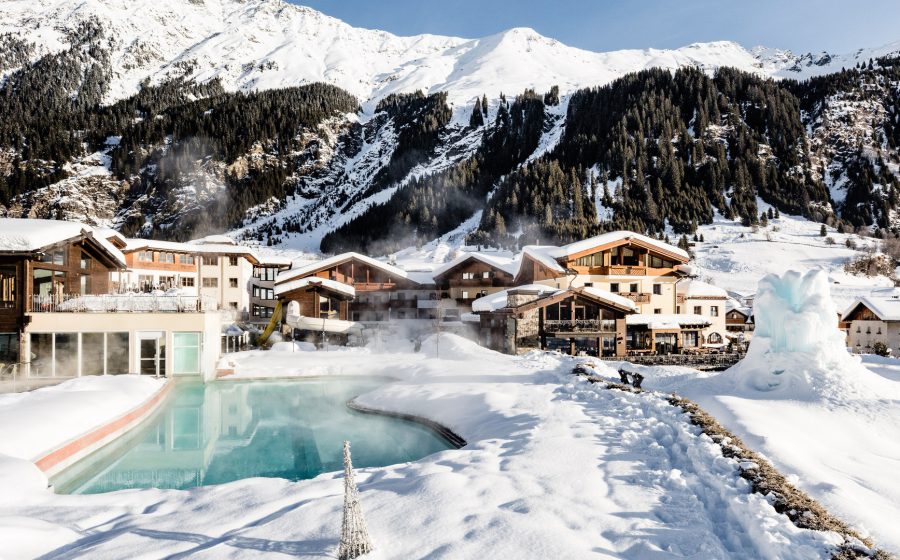
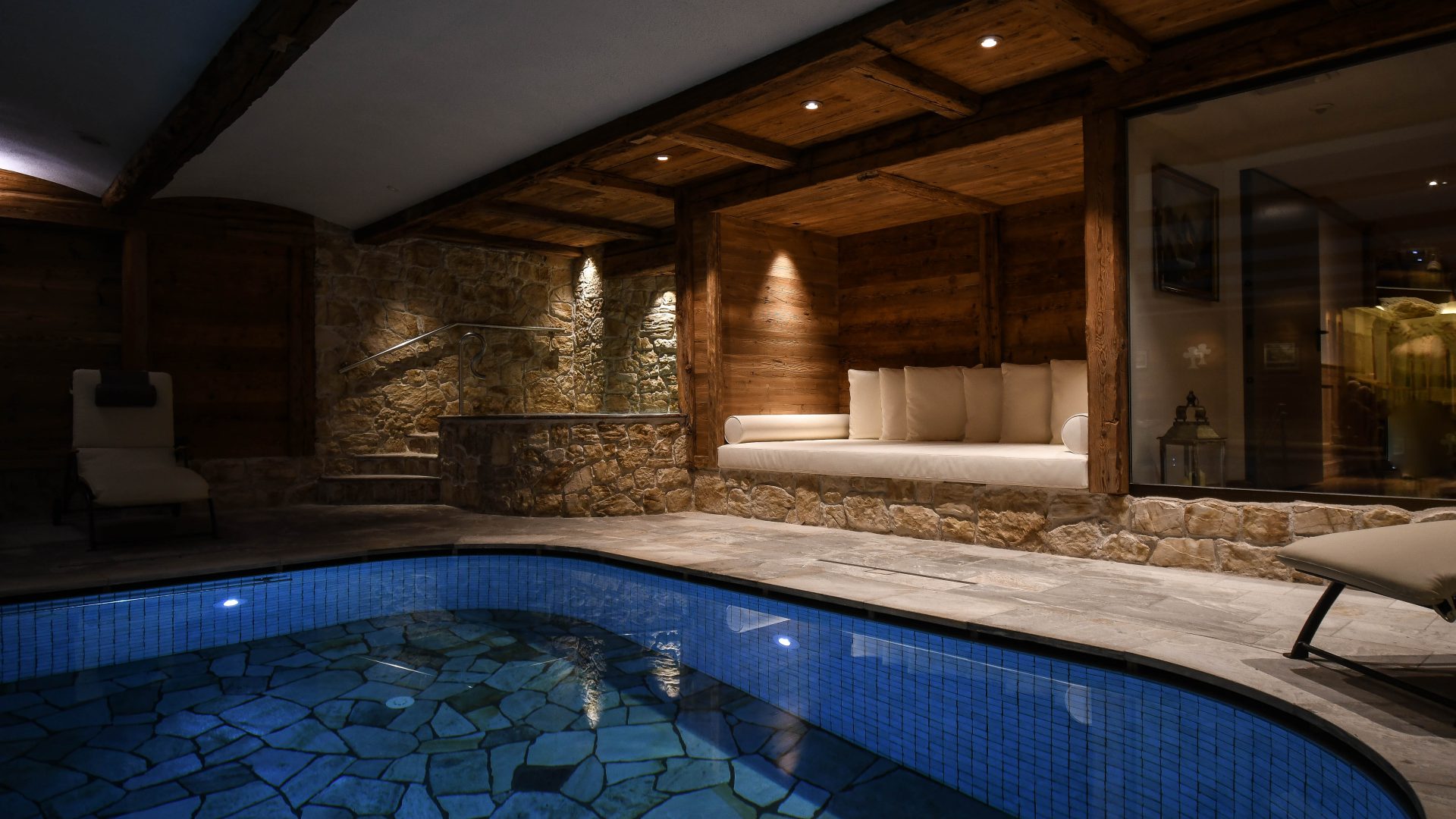
Wellbeing follows the same approach. The heated indoor pool converses with Dolomite stone, aged wood and rock; outside are a whirlpool and a sauna in a mountain hut, while the spa includes an aromatic sauna, a stube sauna, a steam room, a saltwater pool and a Himalayan salt relaxation room. Among the more unusual rituals is the Wine Experience, with bathing in wooden tubs and a grapeseed oil massage.
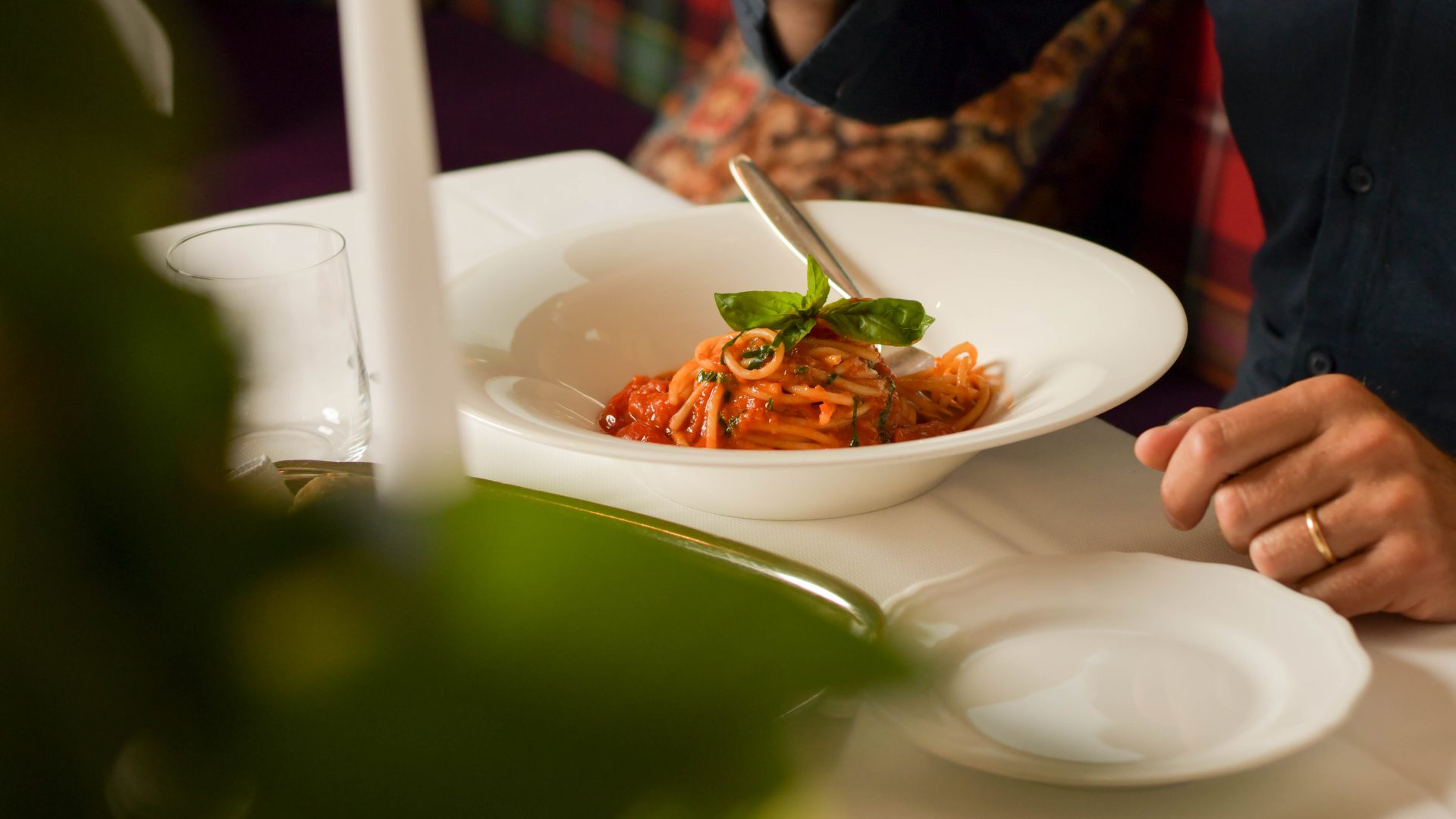
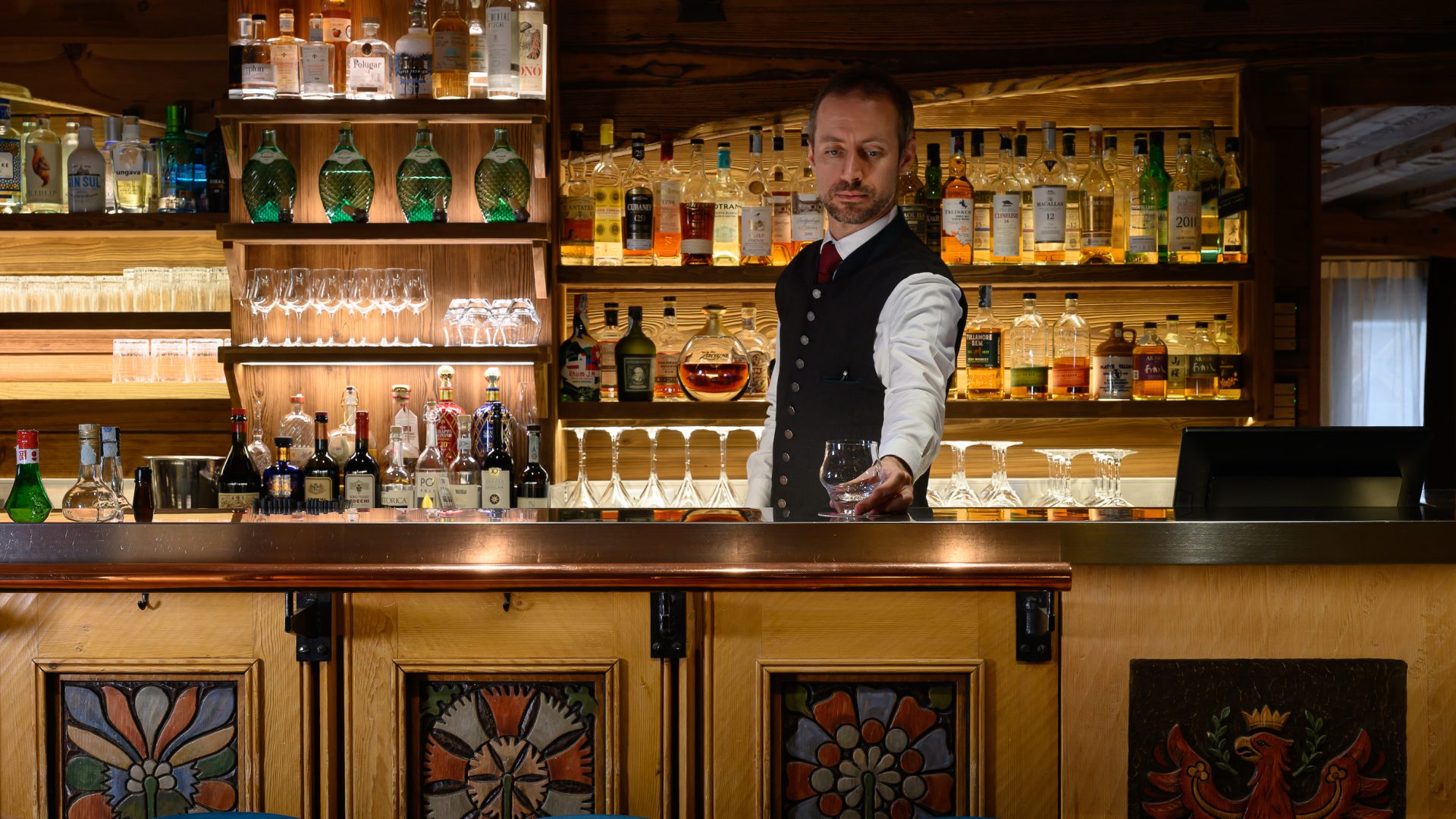
And then there is the table, which over the years has become one of the driving forces of Tyrol's contemporary identity. Alessandro Martellini has long been part of this story, and his cooking eloquently expresses the meeting of the family's two geographies: its Val Gardena and Tuscan roots. The decision to entrust him with the kitchen when he was still very young was not an obvious one. Bibiana recalls even visiting her mother's grave to ask her, in spirit, for advice: carry on with what they already knew, or put their trust in a young man determined to change things? They chose change. And that decision began another stage of the journey.
The real question today, however, is what Tyrol can become after sixty years. Emanuele does not answer by talking about square metres or new services. His idea is, rather, to focus even more closely on the individual. Travellers increasingly unwilling to feel like a number seek personal experiences that leave something behind. And creating them requires people first and foremost: the hotel has around 55 team members, and one of its most important projects concerns precisely their recruitment, development and retention within the business.
This is perhaps the most interesting aspect of the generational transition. Emanuele does not seem intent on revolutionising what he has inherited, but on translating its principles into the language of contemporary hospitality. Technology can be bought, a room renovated, a fabric replaced. Far more difficult is building a team able to convey that sense of natural ease which, for decades, depended on the family's daily presence.
Bibiana puts it far more simply: “I love every part of this house.” Sixty years of history, five stars, transformations and three generations can ultimately be traced back to that sentence. Because Tyrol has grown a great deal, yet continues to work according to a surprisingly simple logic: those who open the door to others every day must be the first to feel at home.
Sources and images: English translation of the complete article from James issue 32. Photo credits in the captions.