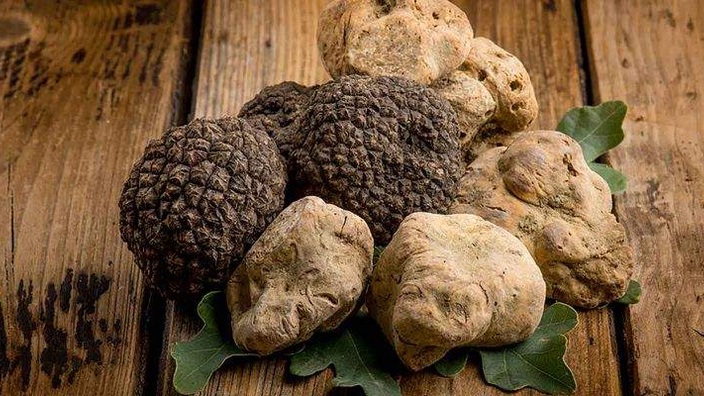
There is a treasure that remains out of sight, hidden underground and recognisable only through the experience of someone who knows the woods and a dog’s extraordinary sense of smell. It is the truffle, a star of Tuscan gastronomy and of a search that turns a walk in nature into an experience engaging all the senses. In Bagno a Ripoli, among the hills marking the transition from Florence towards Chianti, truffle hunting becomes an opportunity to discover a landscape of woodland, olive groves and rural paths, where environmental knowledge intertwines with local traditions. This itinerary invites visitors to look beyond the art city, following the traces of a Tuscany where gastronomy, biodiversity and historical memory coexist just a short distance from central Florence. For a stay from which to explore these places, FH55 Hotel Calzaiuoli and FH55 Grand Hotel Mediterraneo offer two different perspectives on the city, between Florence’s monumental heart and the banks of the Arno.
When autumn wraps the Tuscan hills in golden hues, the woods become the setting for a search requiring patience, attention and a deep knowledge of nature. Truffle hunting is not simply a matter of walking among trees in search of a precious ingredient, but of learning to read environmental signals, recognising places where soil conditions and vegetation may favour its growth. The truffle is an underground fungus whose fruiting body develops beneath the soil and lives in symbiosis with the roots of certain trees, including oaks, holm oaks, hazels and hornbeams. Through this relationship, fungus and plant exchange nutrients: the former receives sugars produced by the plant through photosynthesis while helping it absorb water and minerals from the soil. It is a delicate balance, influenced by soil composition, water availability, climate and the characteristics of the ecosystem. This complexity explains why finding an apparently suitable wood does not guarantee encountering a truffle.
The search is guided above all by the truffle dog, whose sense of smell can detect aromatic molecules released by the fungus even when it is completely hidden from view. The relationship between dog and truffle hunter is one of the most fascinating aspects of the experience: through training, the animal learns to signal a truffle’s presence, while the handler must interpret its behaviour and act at the right moment. It is not simply a matter of scent, but also of understanding, patience and mutual familiarity, qualities refined over time that make the hunt an activity in which human experience and animal ability work together. Once the spot has been identified, the truffle is carefully extracted, avoiding damage to the fungus and the surrounding ground. The hole is then filled in, an important practice for limiting disturbance to the soil and preserving the environment. These gestures, too, are part of traditional knowledge requiring respect for the woods and awareness of their balance.
The truffle’s appeal also lies in its intense, unmistakable aroma, capable of making just a few grams the centrepiece of a dish. But the scent so prized by gourmets also has a function in the natural world. The volatile substances produced by truffles help attract animals which, by eating them, can assist the dispersal of spores. The fungus thus uses animals as allies in reproduction, entrusting them with carrying its spores to other places.
This intriguing fact reveals how closely truffles are connected to the ecosystem in which they grow: what humans regard as one of their most sought-after culinary qualities is, in nature, part of a fundamental biological mechanism. The difficulty of finding them also contributes to their value. Unlike mushrooms growing above ground, truffles develop beneath the soil and their presence is not immediately apparent. Finding them requires knowledge of suitable habitats, respect for harvesting seasons and reliance on the experience of those familiar with the woods.
Over the centuries, this hidden nature has inspired stories and popular beliefs. Underground growth, an irregular appearance and a particularly intense scent have helped surround truffles with an aura of mystery. In some European traditions, their appearance was associated with extraordinary phenomena, including lightning and thunderstorms, as though they were the result of a sudden force of nature. Science has clarified their biological cycle, but has not erased the fascination of a product that continues to demand searching, experience and a good measure of patience.
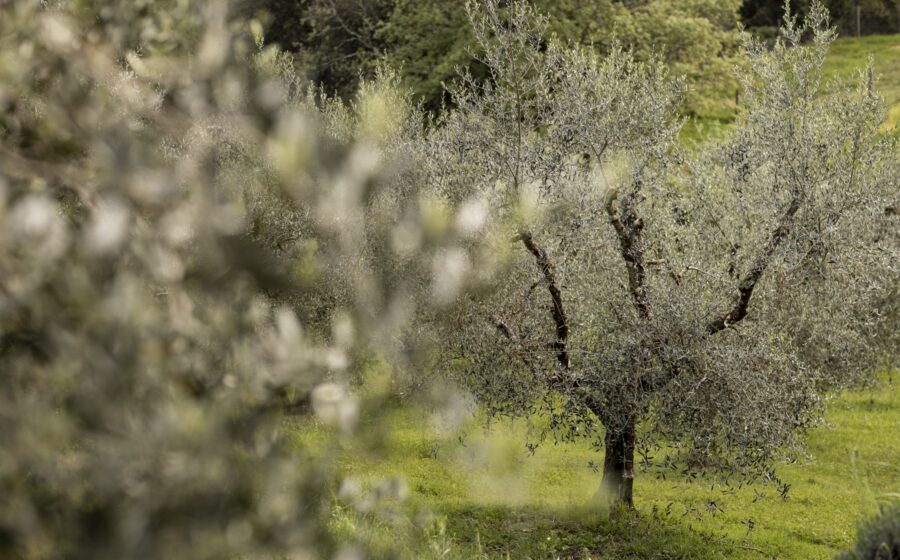
Truffle hunting also offers an opportunity to discover a less familiar part of the Florentine area. Bagno a Ripoli extends across hills, farmland, olive groves and historic settlements that tell the story of the centuries-old relationship between the city and its countryside. Here the landscape is not merely scenery to pass through, but the result of a long coexistence between farming, connecting routes and local communities. Roads crossing these hills lead to places where history can be read in architecture, rural buildings and ancient places of hospitality. Among them stands the Antico Spedale del Bigallo, a historic complex associated with welcoming travellers and pilgrims. Its medieval origins recall a time when setting off on a journey meant facing often long and demanding routes, along which finding shelter and refreshment was a fundamental necessity. The historic hospices fulfilled precisely this role: welcoming people travelling between cities, countryside and places of worship, in a system of hospitality integral to local life. The presence of the Bigallo thus adds a cultural dimension to the itinerary, showing how people, goods and stories crossed these hills long before they became a destination for excursions and leisure stays. Discovering the landscape can therefore continue beyond the truffle hunt, among traces of the past and rural views preserving evidence of the ancient bond between Florence and its surroundings.
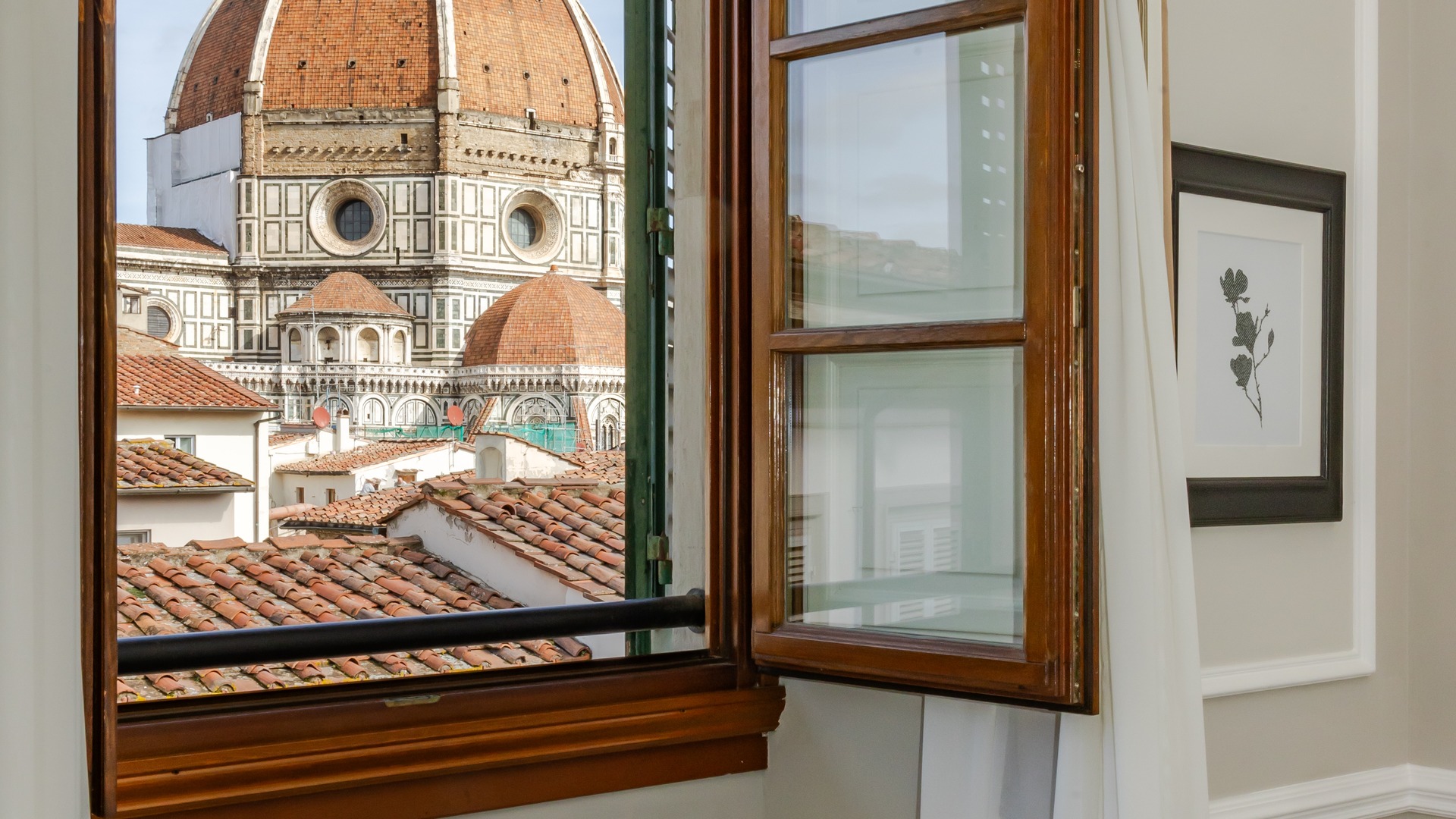
For exploring the city and its surroundings, FH55 Hotel Calzaiuoli and FH55 Grand Hotel Mediterraneo are two complementary addresses. Located on the street of the same name, in the heart of the historic centre and just steps from the main monuments, the former allows guests to immerse themselves in the Florentine atmosphere and easily reach major artistic and cultural attractions on foot. The latter, overlooking the Arno, offers a welcome marked by comfort and refinement, in a strategic position for travelling between the centre and the city’s various routes. Choosing Florence as a base means alternating visits to museums and monuments with a day in the hills, devoted to truffle hunting and discovering villages and local traditions. It is a way of experiencing Tuscany that combines its artistic heritage with the pleasures of nature and the table, following a thread of flavours, stories and landscapes. Because sometimes, truly discovering a place requires only travelling a few kilometres away from the best-known routes and allowing curiosity to lead the way.
FH55 Hotel Calzaiuoli
This four-star boutique hotel is located in the heart of Florence, between the Duomo and Ponte Vecchio. It combines style, an ideal location and comfort, allowing guests to enjoy the energy of the contemporary city among the greatest works of Renaissance art and the centre of high-fashion shopping. Its 54 rooms, spread across four floors of a prestigious historic Florentine building, feature elegant styling and high-quality services, suiting every kind of need and stay. There are four room types, different in style and colour scheme but equally comfortable and welcoming, all with parquet floors. An excellent buffet breakfast with sweet and savoury products is prepared in the welcoming dining room, whose large windows overlook the Florentine street. The hotel is also pet-friendly, welcoming small and medium-sized pets at no additional charge.
FH55 Grand Hotel Mediterraneo
This contemporary four-star hotel on the Lungarno is strategically located for exploring the city and its main attractions, including Piazzale Michelangelo, Piazza Santa Croce, Ponte Vecchio and the Uffizi Gallery. It offers spacious, welcoming interiors combining comfort and functionality, well suited to both leisure and business stays. Its culinary offering is equally extensive: the hotel’s Arno restaurant serves traditional Tuscan cuisine with daily specials, while the American-style “Lounge Bar” offers international dishes paired with classic cocktails. In summer, guests can also relax at the delightful Terrazza Bar adjoining the Lounge Bar.
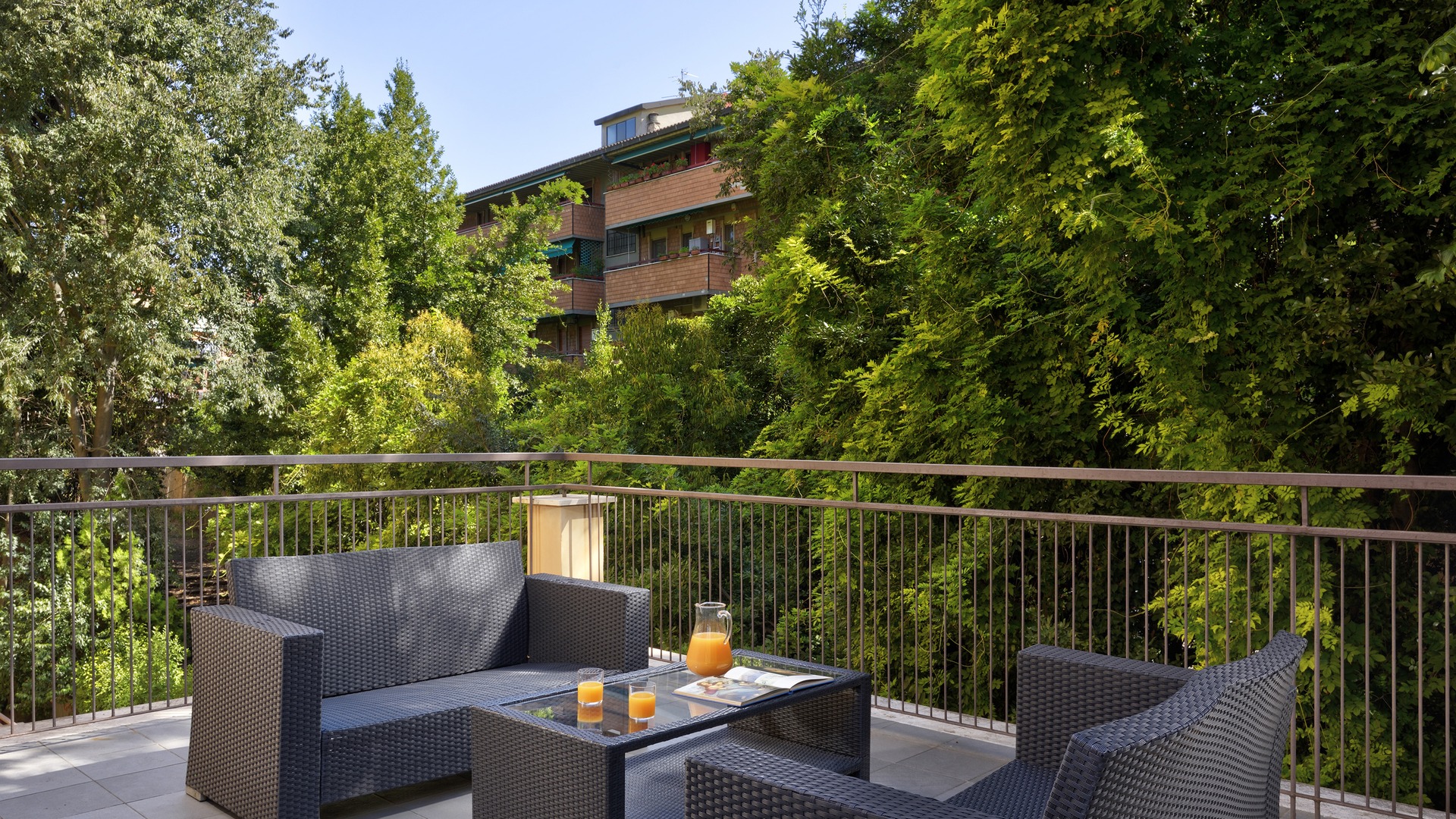
Particularly attentive to environmental issues, the hotel is equipped with efficient systems and advanced technologies to reduce its environmental impact. It works to rationalise energy use and optimise water consumption, as well as following waste-recycling practices. It also adopts an eco-friendly philosophy, offering “Green” services such as electric bicycles for guests and committing to reducing waste.
The hotel is also attentive to accessible tourism, offering rooms and public areas accessible to people with disabilities, including access ramps, lifts with space for wheelchairs and specially equipped bathrooms. It additionally provides personalised assistance to ensure the greatest possible comfort and safety for travellers with specific needs. Grand Hotel Mediterraneo’s kitchen is also part of the Italian Coeliac Association’s network and offers a wide choice of gluten-free foods at breakfast, lunch and dinner.
The property houses Florence’s largest hotel conference centre, Globo, with 15 meeting rooms, ideal for small and large corporate events, congresses and conferences. It also offers a spacious garage. It is pet-friendly, with specific policies and services enabling pets to stay and receive the best possible welcome. A small park separates the hotel entrance from the riverfront, and a public area reserved for animals is just a few steps away, offering excellent opportunities for a relaxing walk with a four-legged companion.
FH55 HOTELS
Founded in 1955 by Dino Innocenti, a pioneer in hospitality, the hotel group began with the creation of Florence’s Grand Hotel Mediterraneo. Its story continued in 1968 with the construction of Grand Hotel Palatino in Rome, just steps from the Colosseum. The group subsequently grew with the purchase of Hotel Calzaiuoli, in the heart of Florence, which opened in 1982. Following the founder’s death, his heirs, who had meanwhile become the owners of the properties, continued the expansion policy and acquired Hotel Villa Fiesole in 1995. Today, FH55 HOTELS comprises four properties, each with its own identity but united by the values that the owners convey daily to hotel staff and management. In 2025, FH55 HOTELS proudly celebrated its seventieth year of operation, an extraordinary milestone marking seven decades of excellence in Italian hospitality. From a pioneering vision to an established group, it continues to stand out for innovation, quality and constant attention to guests’ wellbeing.
FH55 Hotels Group, long committed to supporting those most in need, has launched a wonderful solidarity initiative in collaboration with Florence’s Institute of the Little Sisters of the Poor. The project grew from a desire to reduce food waste, transforming surplus food from Grand Hotel Mediterraneo’s breakfast buffet into a valuable resource for the institute, which houses more than 70 elderly residents, 10 nuns and 20 employees. Before this initiative, the residents had very little available for breakfast, but thanks to the group’s commitment they can now enjoy a complete, generous breakfast every day. Launched in November 2023, the project is only the latest of the numerous charitable activities the group has pursued for years, confirming its practical and continuing commitment to making a difference for those most in need.
Lungarno del Tempio 44, 50121 Florence
+39 055 660241
+39 055 679560
sales@fhotels55.com
Sources and images: Travel Marketing 2 / FH55 Hotels press release. Complete editorial text in English translation; photographs supplied with the release.