There is another way to experience Kyoto in winter: follow the thin thread of steam rising from a simmering pot, drifting into the cold air of a mountain village and enveloping the warm waters of an onsen. It is a journey of flavours, small daily rituals and restorative pauses, revealing a city that continues to offer scenes of extraordinary beauty even as temperatures fall.
In the colder months, food becomes one of the keys to understanding Kyoto and its traditions. In Kyoto, the pleasure of a hot meal is intertwined with a refined culinary culture that values seasonality and the quality of ingredients. From delicate yudofu, tofu cooked in hot water, to steaming bowls of ramen and nabe, the shared hotpots that bring diners and ingredients together around the same table, each experience tells of a convivial way to embrace winter.
To discover this side of the destination, simply leave the centre and head for areas that preserve a more local identity: Ohara, Fushimi and Takao, three stops where gastronomy, nature and culture meet.
Ohara | Country flavours and the pleasures of hot springs
North of central Kyoto, Ohara welcomes visitors with a rural landscape dotted with historic temples, gardens and cultivated fields. For centuries a place of retreat and quiet contemplation, this area offers an opportunity to slow the pace of a journey and rediscover the connection between food and its surroundings.
The stars of the table are Ohara yasai, locally grown vegetables that restaurants and cafés draw from seasonal harvests to create simple, richly flavoured dishes. This culinary heritage also includes shibazuke, a traditional preparation of fermented vegetables linked to the area’s food history, with a summer variety that is fresh and vibrant and a winter version that is sweet and deep. Shibazuke intended for the cold season ferments in cedar barrels for several months. Over time, the sharper acidic notes soften, giving way to a deep, complex umami flavour. The colour darkens to a more mature, intense plum shade, and the vegetables take on a decidedly richer taste.
Between a meal and a stroll through temple gardens, winter invites visitors to enjoy a deeply Japanese experience: the onsen. In Ohara, properties such as Ohara Sanso, Ohara-no-Sato and Seryo combine hospitality, cooking based on local ingredients and hot baths, including outdoor bathing.
The contrast between cold air and warm water turns a hot-spring bath into a moment of true wellbeing. Steam rises slowly from the surface while the surrounding landscape grows quiet: a pause that completes the day and offers a taste of Kyoto’s more contemplative side. Advance booking is recommended for stays at these properties.
Fushimi | A steaming bowl in the ramen district
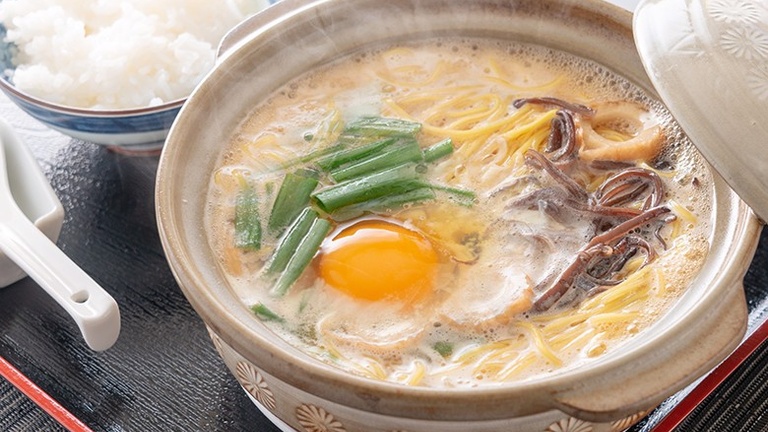
Known for its historic sake breweries and the canals running through the district, Fushimi also has a lively food scene. Here, between Fujinomori and Fushimi-Momoyama stations, a significant number of ramen specialists offer different interpretations of one of Japan’s best-loved dishes. Sitting at the counter of a small eatery, watching steam rise from a bowl and savouring a hot broth becomes an immediate way to connect with local everyday life. Ramen is a versatile dish, bringing together different broths, noodles and ingredients, and is a particularly inviting choice on colder days.
The discovery can continue through the streets of Fushimi, where more than twenty sake breweries are located within a radius of around three kilometres. The distinctive groundwater has encouraged the production of this drink over the centuries, making it an integral part of the local identity.
The result is an itinerary that combines contemporary flavours and tradition: a stop for ramen, a walk along the canals and, for those wishing to explore the district’s food culture further, a discovery of its historic breweries and their products.
Takao | The warmth of a hotpot in mountainous Kyoto
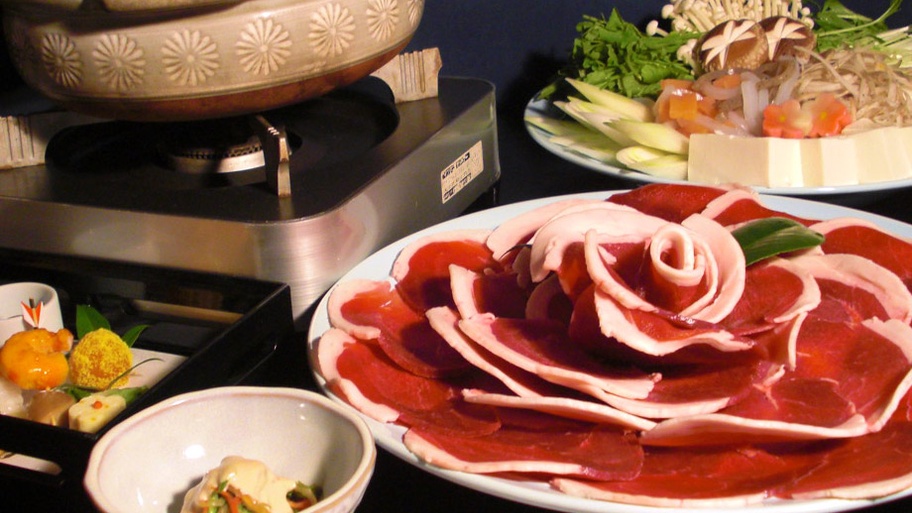
For those seeking an experience even more closely connected to nature, Takao offers valleys and mountain scenery that take on a special charm in winter. Here, seasonal cooking finds one of its most distinctive expressions in botan-nabe, a hotpot prepared with wild boar from the surrounding mountains.
The name refers to the arrangement of the meat slices on the plate, which resembles the petals of a peony. The dish is served in traditional restaurants and inns, where the hotpot becomes the centre of the meal and an invitation to share time as well as food.
The setting also makes this experience special: the nature surrounding the properties, the area’s gentle pace and, on fortunate days, the chance to admire mountains and valleys blanketed in snow.
Not far away, the Mizuo area offers another distinctive winter ritual, linked to the cultivation of yuzu, a Japanese citrus fruit with an intense fragrance. Here, a hot bath with fresh yuzu — ki-yuzu, the yellow fruit, ripens between November and December — can be paired with a meal of chicken nabe, bringing gastronomy, farming traditions and wellbeing together in one experience.
Yudofu and yuba | The tofu tradition, served warm
Among the flavours that best express Kyoto’s culinary identity is tofu, a central ingredient in a cuisine defined by delicacy and balance.
In winter, yudofu is one of the dishes to seek out: tofu is gently warmed in a pot and served with sauces and seasonings that bring out its texture and flavour. A few ingredients, an essential preparation and the warmth of the pot at the centre of the table transform a simple dish into a culinary experience deeply rooted in local culture.
Alongside yudofu, yuba reveals another aspect of this tradition. It is the thin skin that forms on the surface of soy milk as it is heated, then collected and used in a variety of preparations, from the simplest dishes to refined cuisine.
These specialities invite visitors to discover Kyoto through its attention to ingredients and seasonality. They also demonstrate that the pleasure of a winter meal does not necessarily depend on lavish ingredients, but on careful preparation and the time devoted to savouring it.
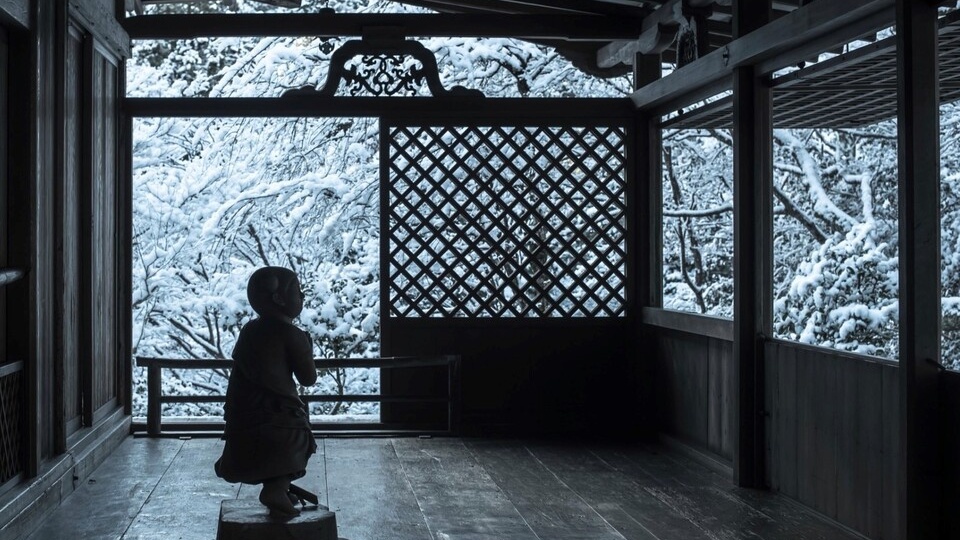
Gion | Kyoto’s beauty, even when the cold arrives
After exploring the flavours and landscapes of the outlying areas, a walk through Gion can complete the journey with one of the city’s most evocative scenes. The wooden façades of traditional houses, lanterns and historic streets create a timeless setting, especially captivating in the evening.
Weather permitting, a snowfall may add a special touch to the landscape, heightening the contrast between white snow and traditional architecture.
Yet it is away from the busiest streets that another dimension of Kyoto emerges: small villages, generously laid tables, local produce and hot springs surrounded by nature.
From Ohara’s vegetables to Fushimi’s ramen, from Takao’s botan-nabe to traditionally prepared tofu, winter becomes an invitation to discover the destination through experiences involving all the senses.
And when the air outside is cold, Kyoto’s most intimate side reveals itself in the warmth of a shared pot and the steam rising from an onsen, turning winter into a season to remember.
Sources and images: Kyoto City Tourism Association / Open Mind Consulting press release. Photo credits in captions. All image rights are reserved by their respective rights holders.