The Nile and the rhythm of the city
“Egypt is not a country you visit. It is a country that passes through you”. Lawrence Durrell wrote these words almost a century ago, and one evening on the Nile is enough to understand their meaning.
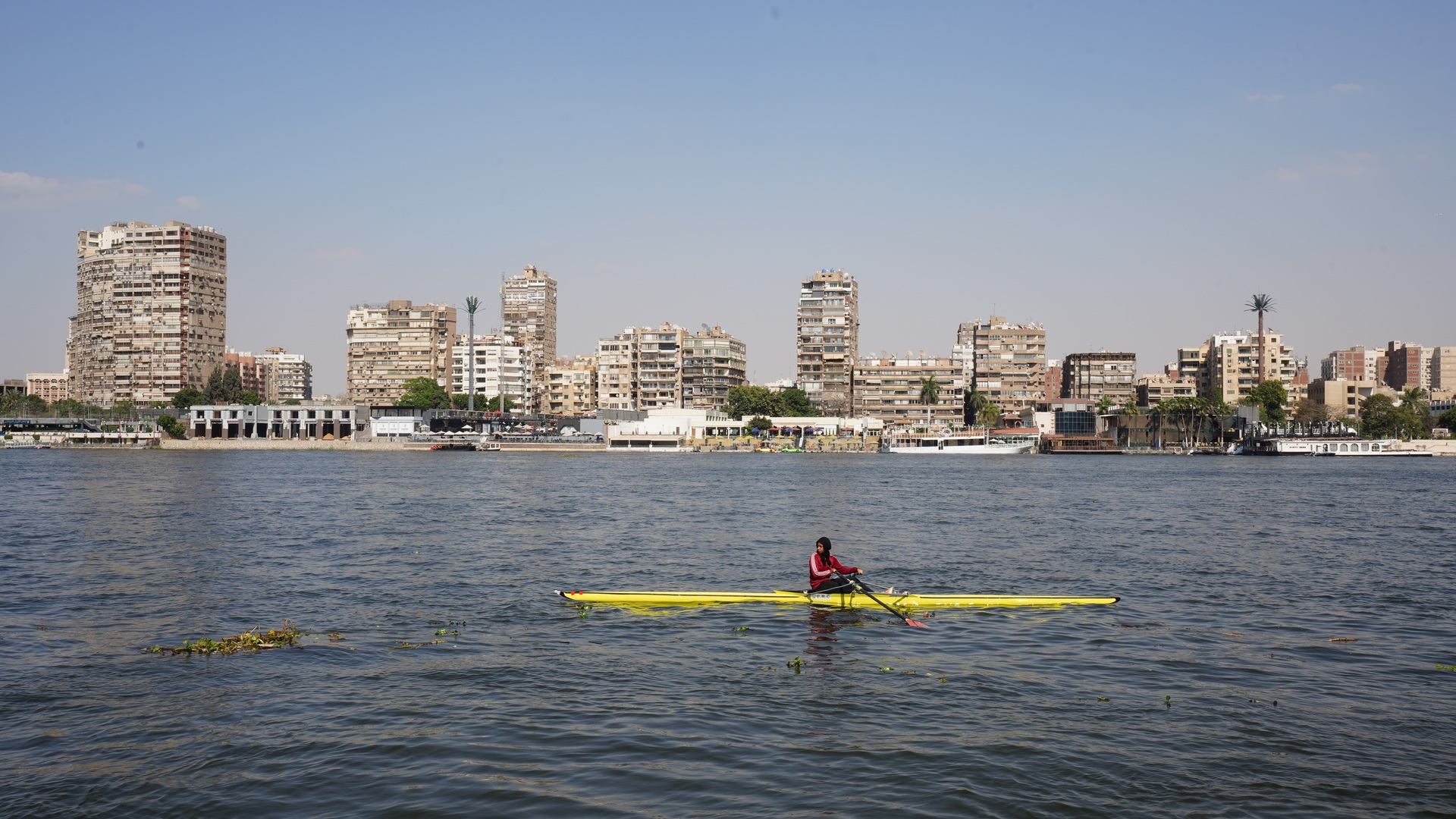
Cairo does not lend itself easily to description. It is a vast, dizzying, contradictory city. A metropolis of more than twenty million souls where time seems to flow in concentric circles, like the ripples of the great river that has guarded its destiny for millennia. Here the muezzin’s call coexists with relentless car horns, modern buildings with unfinished brick houses, the splendour of the pharaohs with the dust of the present. Yet behind its apparent chaos, Cairo possesses a hypnotic, almost mystical beauty.
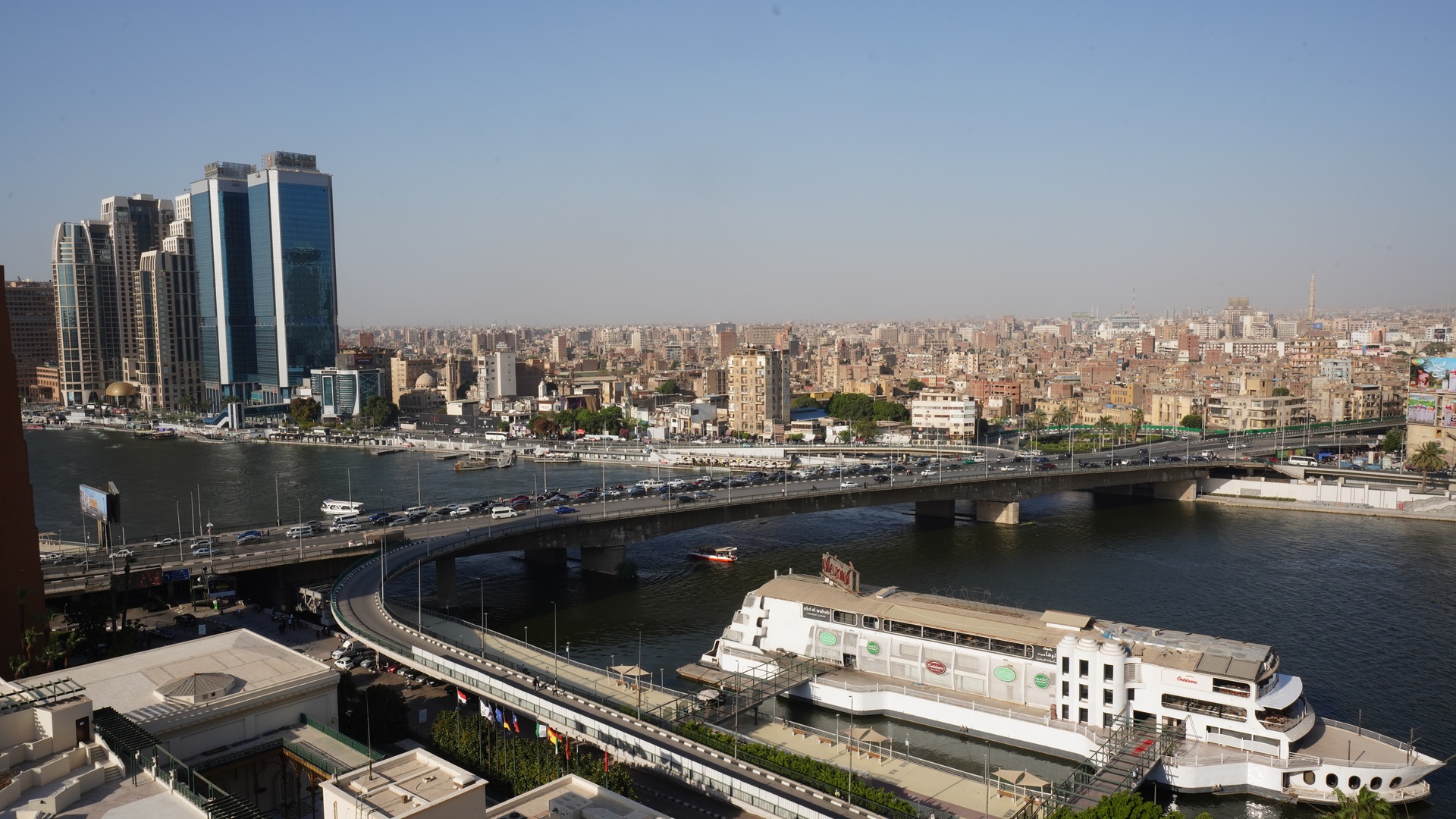
The city is best understood from the water. At sunset, sailing slowly along the Nile, Cairo changes its face. The lights of the bridges reflect on the river, and the large restaurant barges moored along its banks become floating drawing rooms. From the bow of the felucca I watch Egyptian families dining amid Arabic music and laughter, while the scent of spices drifts out across the water. Among these boats is the celebrated Sea Gull seafood restaurant, suspended above the river like a luminous terrace in the heart of the Cairene night. Around it, the city seems endless. The Nile, still and solemn, continues to flow with the same patience with which it accompanied the pharaohs.
Among the alleys of Khan el-Khalili
“Man fears time, but time fears the pyramids”, says an ancient Arab proverb. In Cairo, time really does seem to lose its substance. In the maze of alleys of Khan el-Khalili, the Middle East’s most famous bazaar, every step is a journey into an Oriental novel. Merchants call out to passers-by with age-old smiles, copper lamps filter a golden light, and spice shops burst with extraordinary colours: cumin, cardamom, saffron, hibiscus, cinnamon. The air smells of mint tea and roasted coffee. Nothing here seems to have changed since the days of the caravans. The face of modern, contemporary Cairo, by contrast, is the neighbourhood of Korba. In the evening it sparkles with lights and people seated at countless little tables that almost touch the incessant procession of cars and scooters.
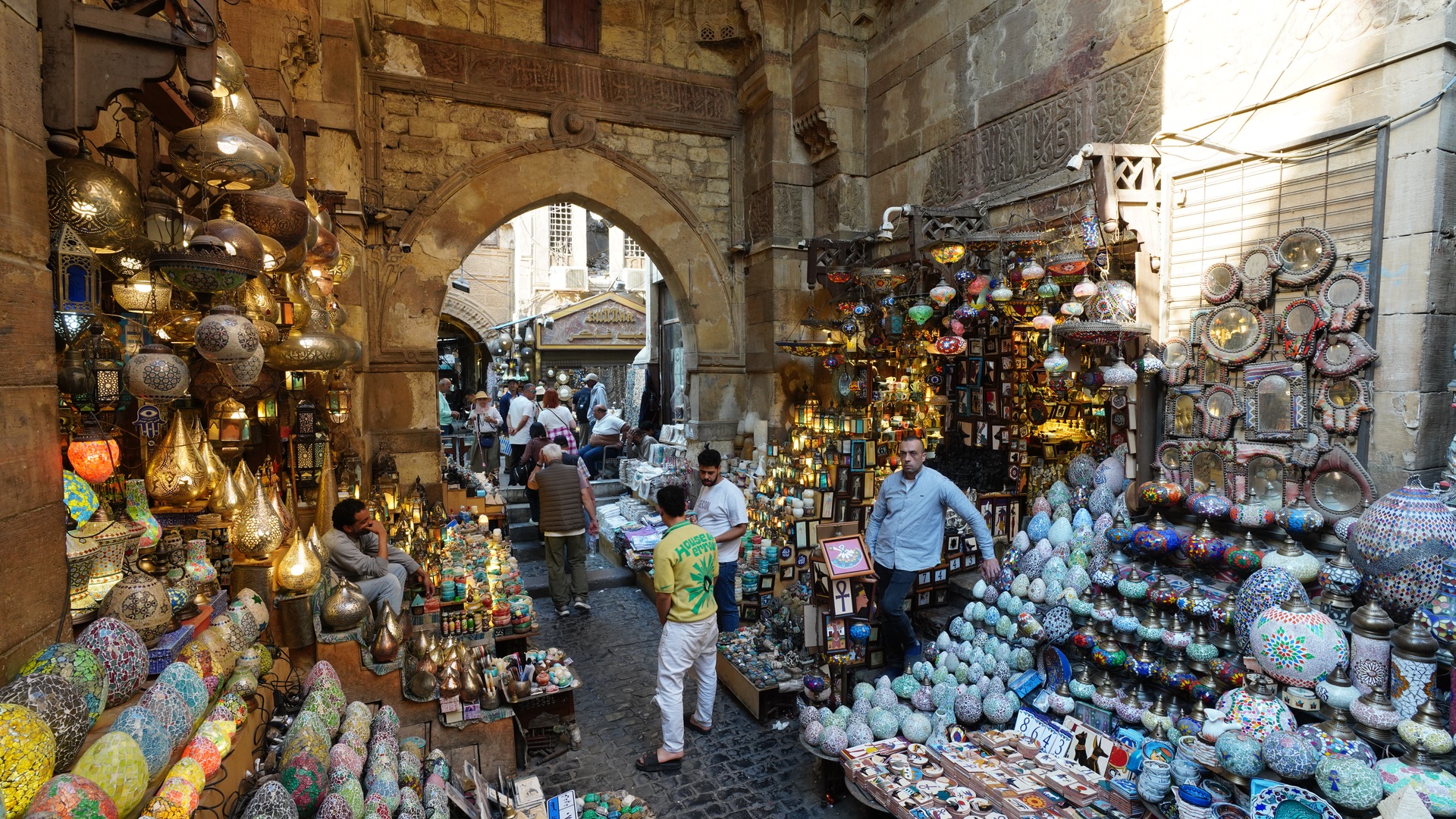
Our guide, Ashraf, one of the outstanding professionals selected by Bagawat and Travel Square Egypt, leads us through the city’s chaos with an almost philosophical calm. He speaks of Cairo as one speaks of a loved one. He is married to Basma, whose name means “smile” in Arabic. They have three daughters: Doaa, nineteen, “prayer”; Rim, fifteen, the delicate name of a flower; and Aya, eleven, “miracle”, but also a sacred verse of the Quran. Those names contain all the poetry of the Arab world: spirituality, grace, memory.
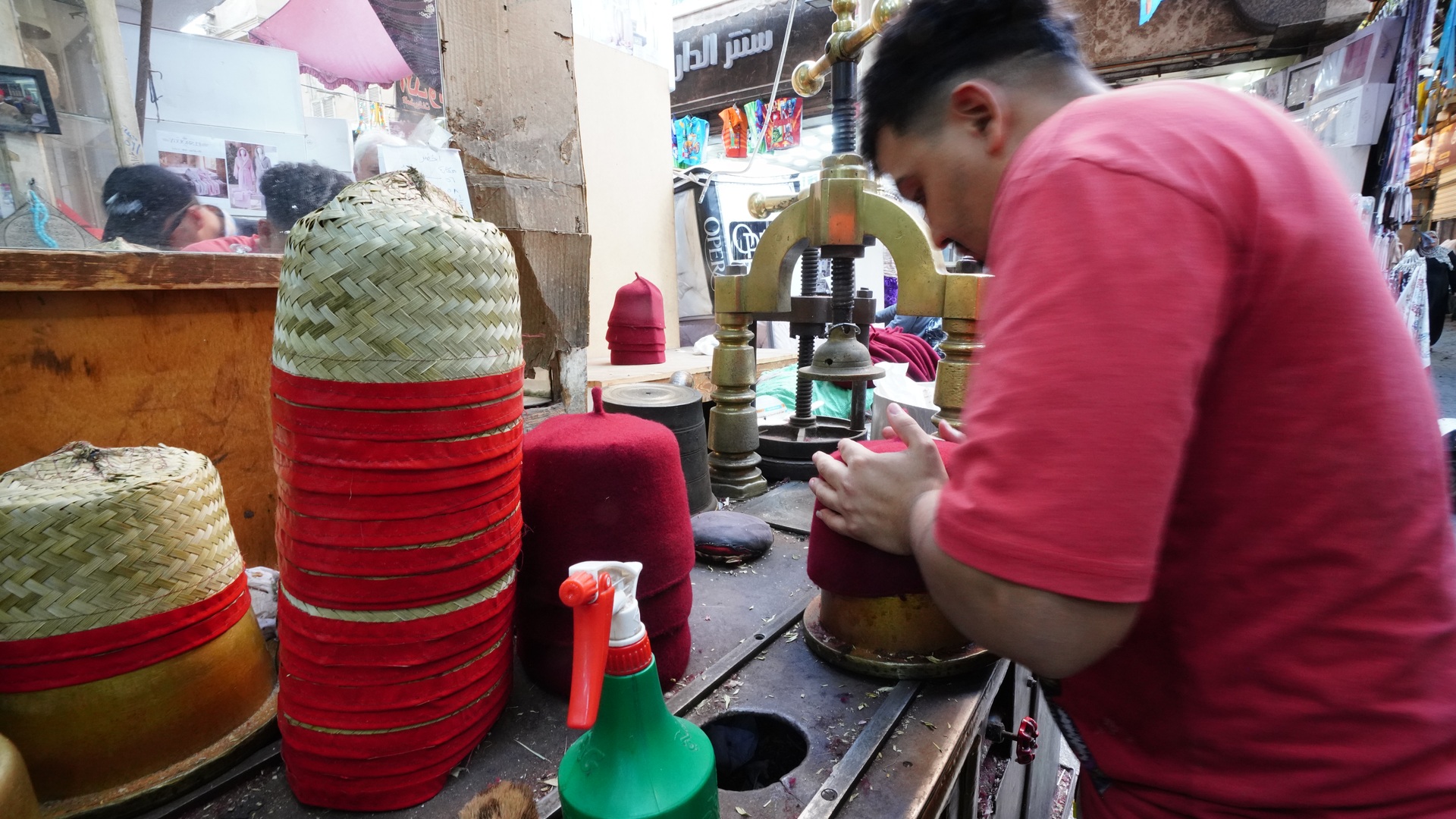
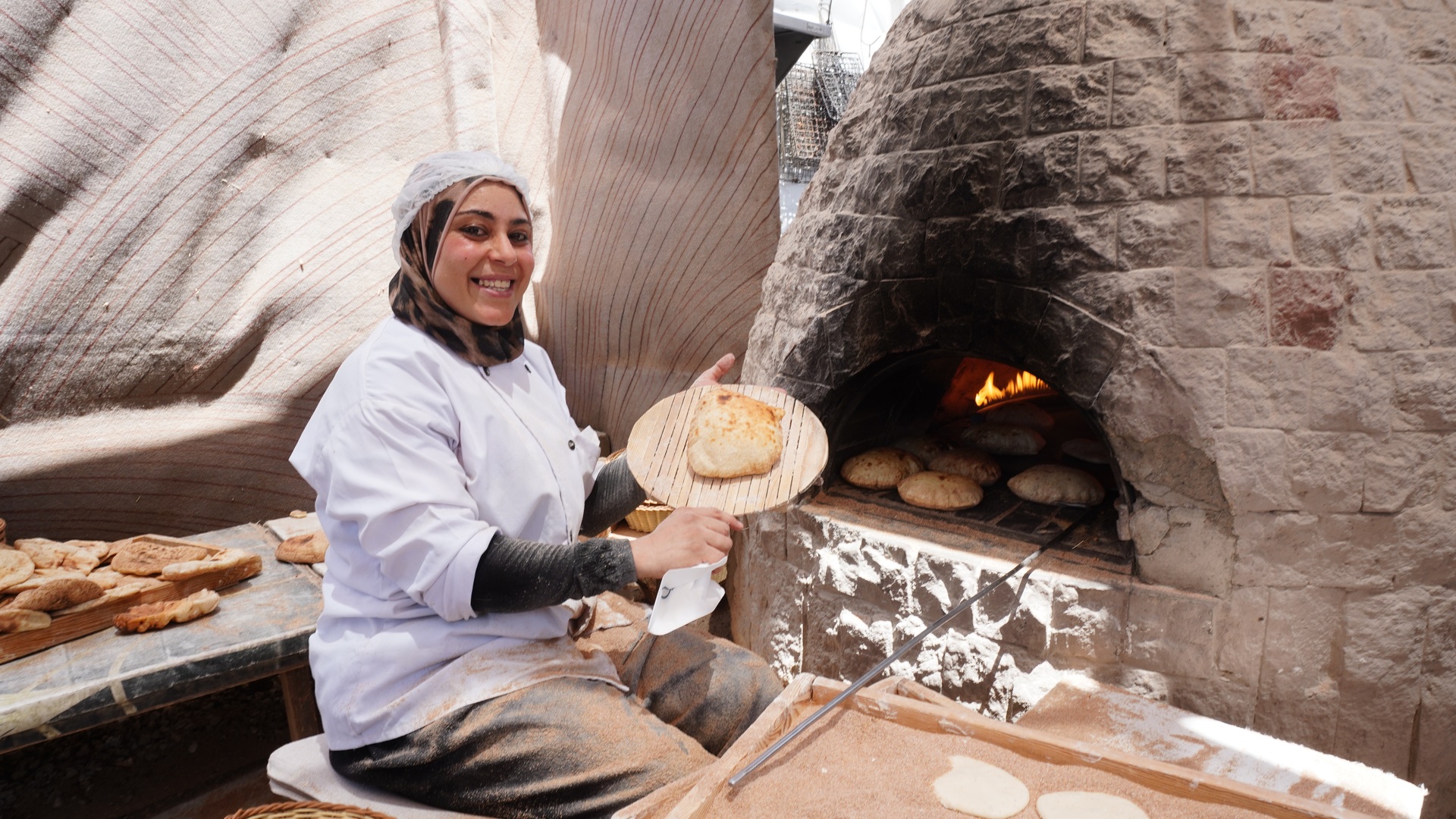
At Mahmoud’s bakery we taste aish baladi, the bread of life, made with wholemeal flour in the classic round shape and baked at very high temperatures in traditional wood-fired ovens. These make it puff up, creating an inner pocket perfect for filling with food: a delicious variation on our Western sandwich.
The city and its memories
With Ashraf we cross the so-called City of the Dead, the great monumental Islamic cemetery where more than a hundred thousand people live permanently. A surreal expanse of mausoleums turned into homes, where life coexists with death in a balance that Western eyes find hard to understand. Children play among the tombs, washing hangs beside the graves, and scooters pass through silent alleys. It is one of Cairo’s most unsettling places, but perhaps also one of its most authentic. Here the city reveals its vulnerability without filters.
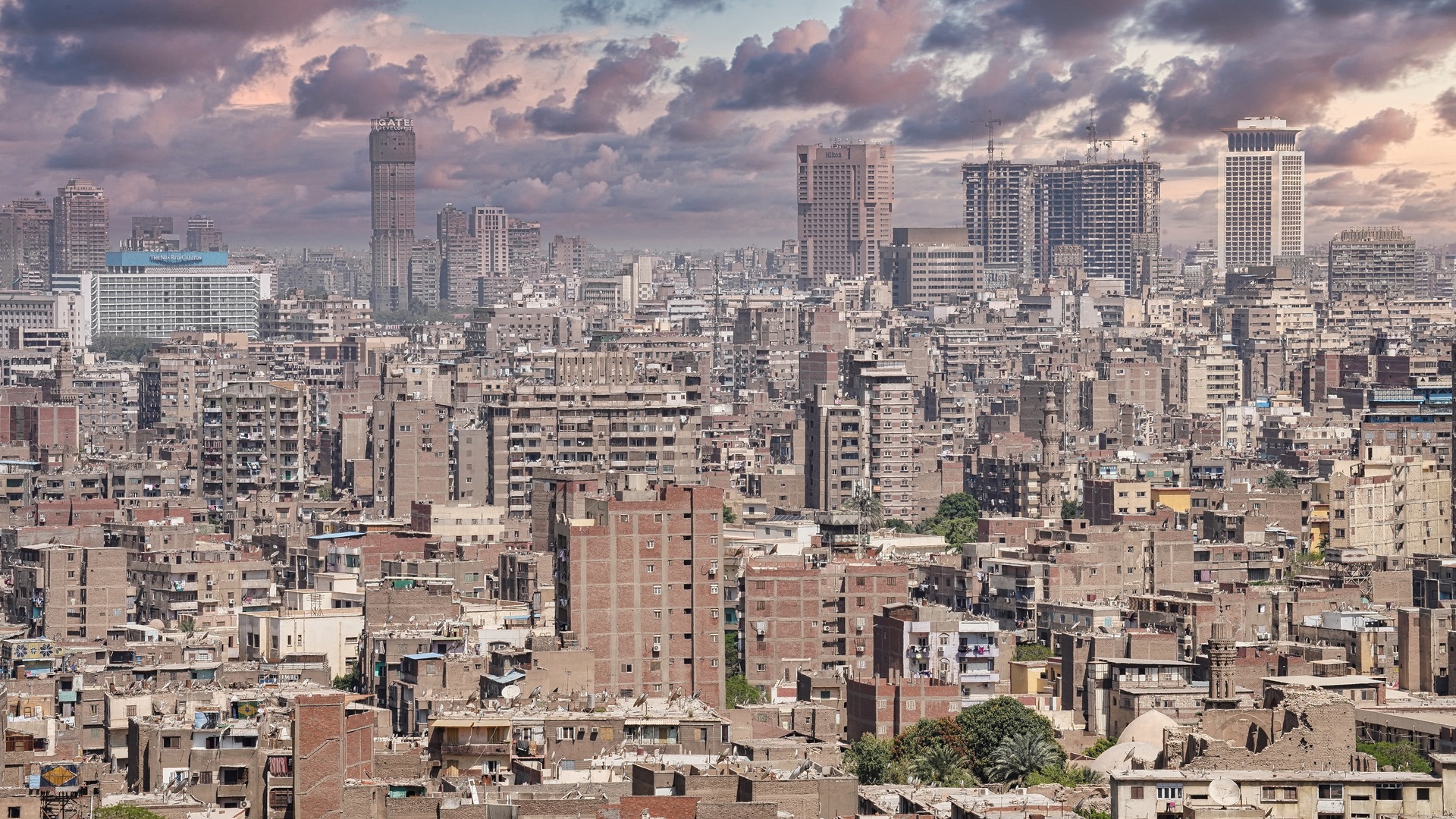
Then come the minarets of Bab Zuweila, silhouetted against the dusty afternoon sky. From up there, Cairo appears as an ocean of domes and endless roof terraces. It is no coincidence that it is called “the city of a thousand minarets”: in fact, it has been estimated that there are 120,000 mosques and minarets across the immense metropolis. Every neighbourhood has its own mosque, every street its own call to prayer.
Saqqara and the Pyramids of Giza
The history of Egypt seems to condense at Saqqara, home to the step pyramid of Pharaoh Djoser, designed by the architect Imhotep almost five thousand years ago. It was here that the very idea of the pyramid was born. The surrounding desert is still, absolute. The wind lifts fine sand, the silence has something sacred about it and the light, as Gustave Flaubert observed, “is entirely different”. But nothing truly prepares you for the sight of the Pyramids of Giza. Images seen a thousand times are not enough. When they suddenly appear beyond Cairo’s outskirts, they seem unreal, too large to belong to the human world. The Sphinx has watched the desert with its enigmatic gaze for millennia, while the stones of the pyramids still preserve the mystery of their construction. Here every civilisation seems tiny. Every human being, temporary.
The Pyramids of Giza are the last surviving fragment of the Seven Wonders of the Ancient World and, after more than four thousand years, continue to defy time and the desert. They were built during the Fourth Dynasty as gigantic monumental tombs for the pharaohs Khufu, Khafre and Menkaure, symbols of absolute power and of the sacred bond between the ruler and the gods. The largest, the Great Pyramid of Khufu, originally rose to almost 147 metres and consists of millions of stone blocks perfectly aligned with the cardinal points. At their feet, the enigmatic Great Sphinx of Giza gazes motionlessly across the desert, its face turned towards the rising sun. Before these immense structures, you feel something difficult to describe: the sensation of standing in the presence of eternity or, as André Malraux wrote, “in the immense mouth that swallows time”.
From the Citadel to the Coptic quarter
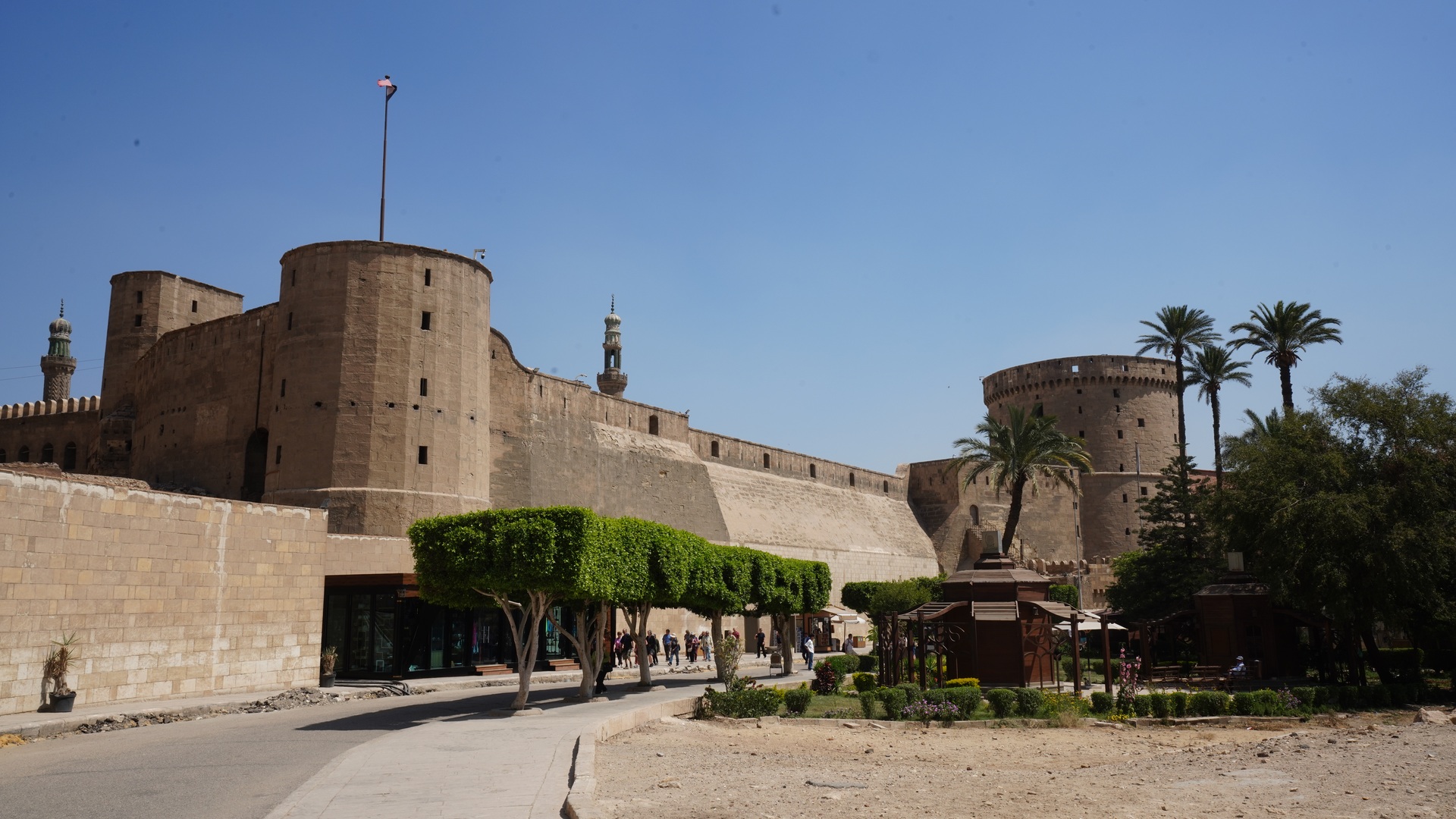
Our exploration continues at the Citadel, which has dominated Cairo from the Mokattam hills for more than eight centuries. It was commissioned in the late twelfth century by the great Kurdish commander Ṣalāḥ al-Dīn, the celebrated Saladin, the same ruler who recaptured Jerusalem during the Crusades. Construction began in 1176 with a precise purpose: to protect Cairo from Crusader attacks and unite the city’s defences with those of ancient Fustat. For centuries the Citadel was Egypt’s political and military heart, the residence of sultans, Ottoman governors and finally Muhammad Ali Pasha, the father of modern Egypt, who profoundly transformed the complex in the nineteenth century by building the magnificent mosque that bears his name.
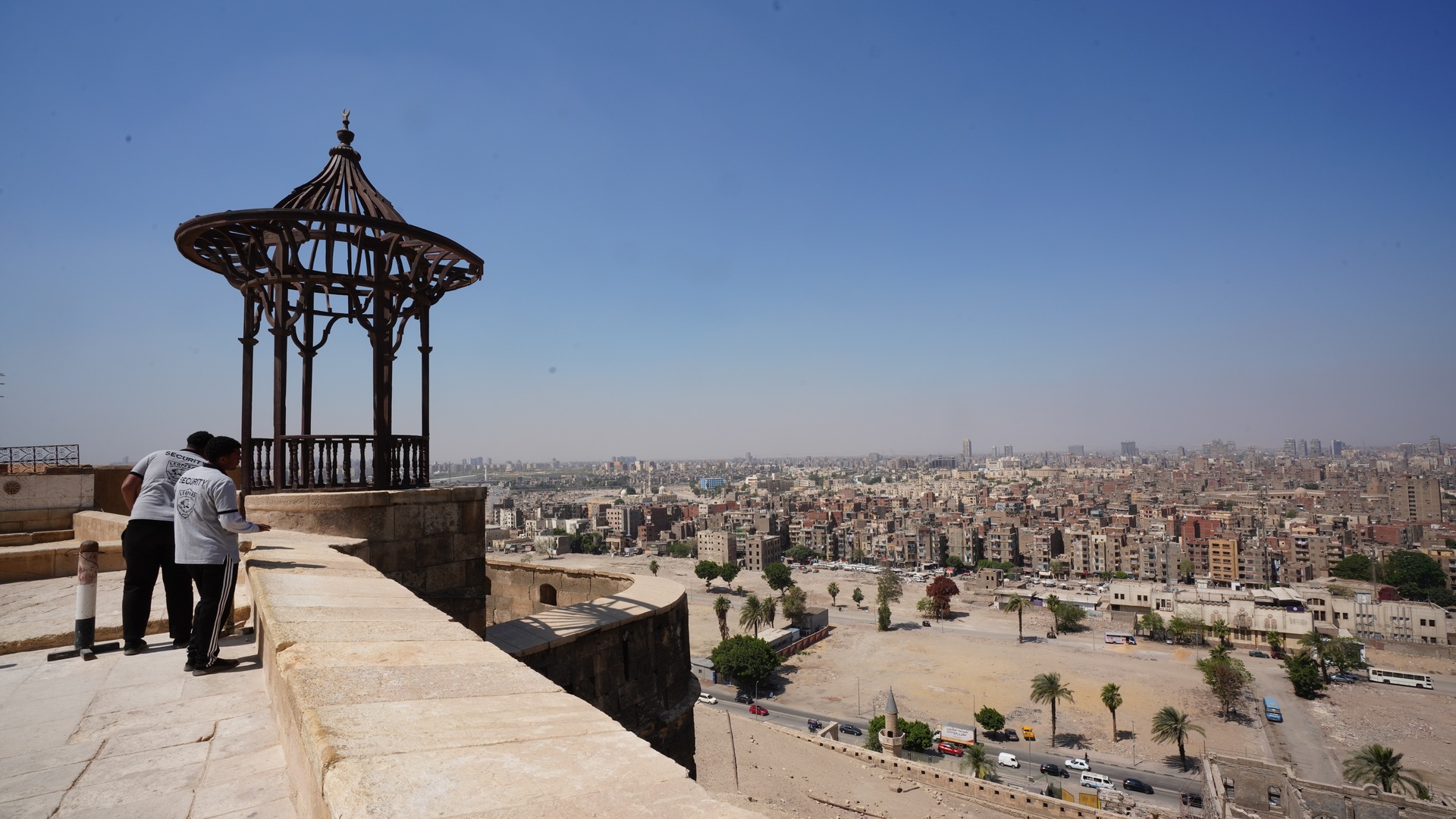
The Ottoman domes and slender minarets recall Istanbul, but the panorama belongs to Cairo alone. From its terraces, the eye loses itself in an endless expanse of minarets, domes and sand-coloured houses, while the city continues to pulse below like a limitless organism. Inside the mosque, the silence is almost unreal. Outside, the traffic resumes its relentless roar.
Nearby, the Egyptian Military Museum tells the story of another Egypt: the modern wars, conflicts and revolutions that swept through the Arab twentieth century. Yet perhaps the most moving place remains the National Museum of Egyptian Civilization. In the Royal Mummies Hall, time stands still: twenty-two mummies are preserved here, eighteen kings and four queens. Seen through the mirror of time, the pharaohs’ faces seem alive, their features intact after three thousand years. Walking in the half-light before Ramesses II or Seti I, you feel something hard to explain: the vertigo of history.
In the Coptic quarter, among quiet alleys and hidden courtyards, stands the Hanging Church, known as Al-Muallaqa, built above an ancient gateway of the Roman fortress of Babylon. Here Egyptian Christianity still safeguards a very ancient memory, made of icons, incense and whispered prayers.
The Grand Egyptian Museum
But Egypt’s past also looks towards the future. The new Grand Egyptian Museum, the GEM, appears like a modern cathedral at the foot of the pyramids. It is considered the world’s largest archaeological museum dedicated to a single civilisation. Standing at the foot of the Pyramids of Giza, it resembles a gigantic stone gateway reaching towards the desert. It was designed by the Irish practice Heneghan Peng Architects, winner of an international competition entered by more than a thousand practices from around the world.
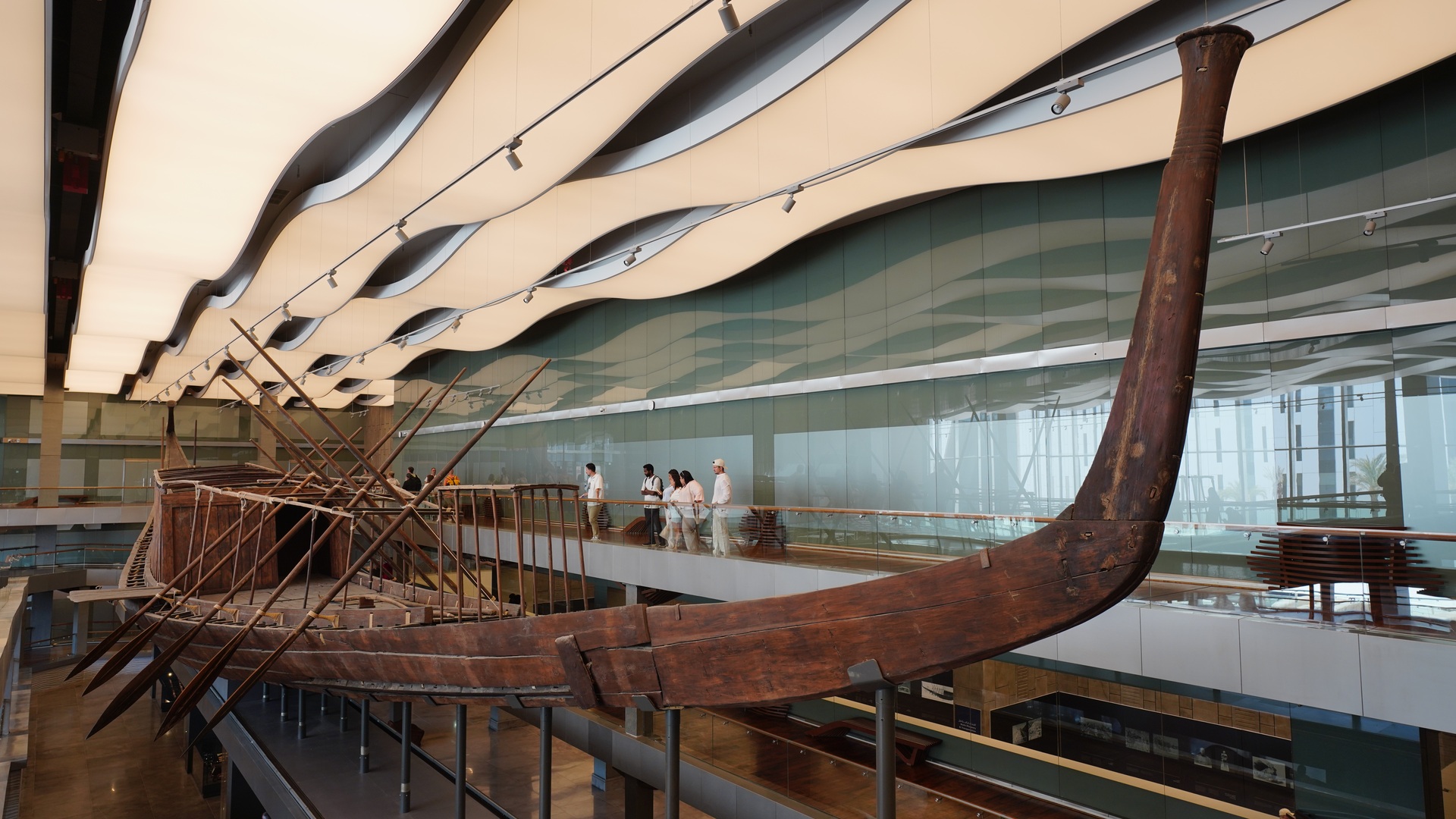
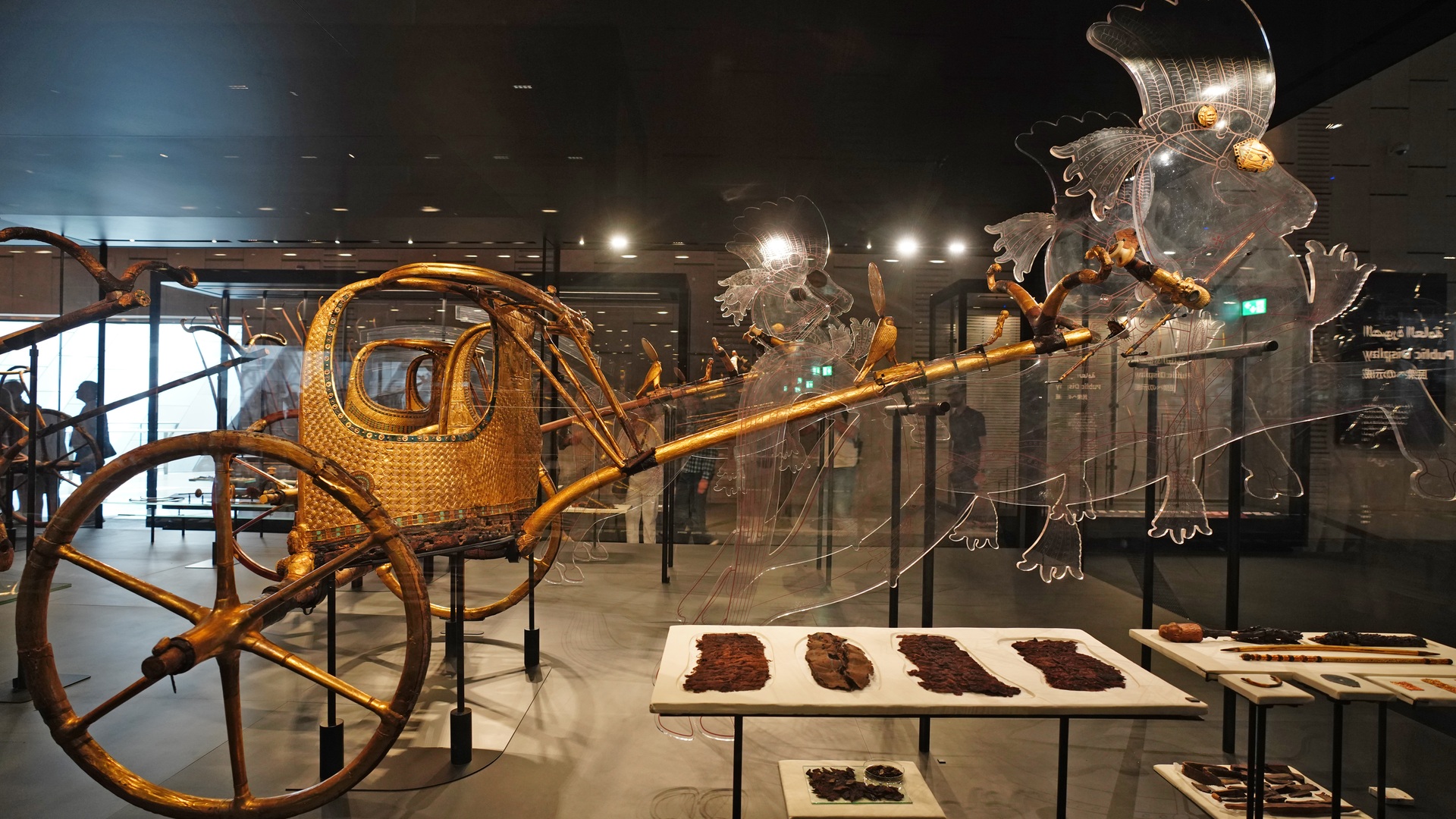
The museum took almost twenty years to build, including design, construction and delays caused by political and economic crises. Its total cost exceeded a billion dollars, making it one of the most ambitious cultural projects ever undertaken in the Middle East. Inside are more than a hundred thousand artefacts, including Tutankhamun’s entire treasure of over five thousand objects and, in a separate hall, the extraordinary solar boat of Cheops, also known as Khufu, made from 1,224 pieces that can be dismantled and reassembled. An astonishing feat of ancient engineering, created to accompany the pharaoh into the afterlife along the river of the gods.
The last evening in Cairo
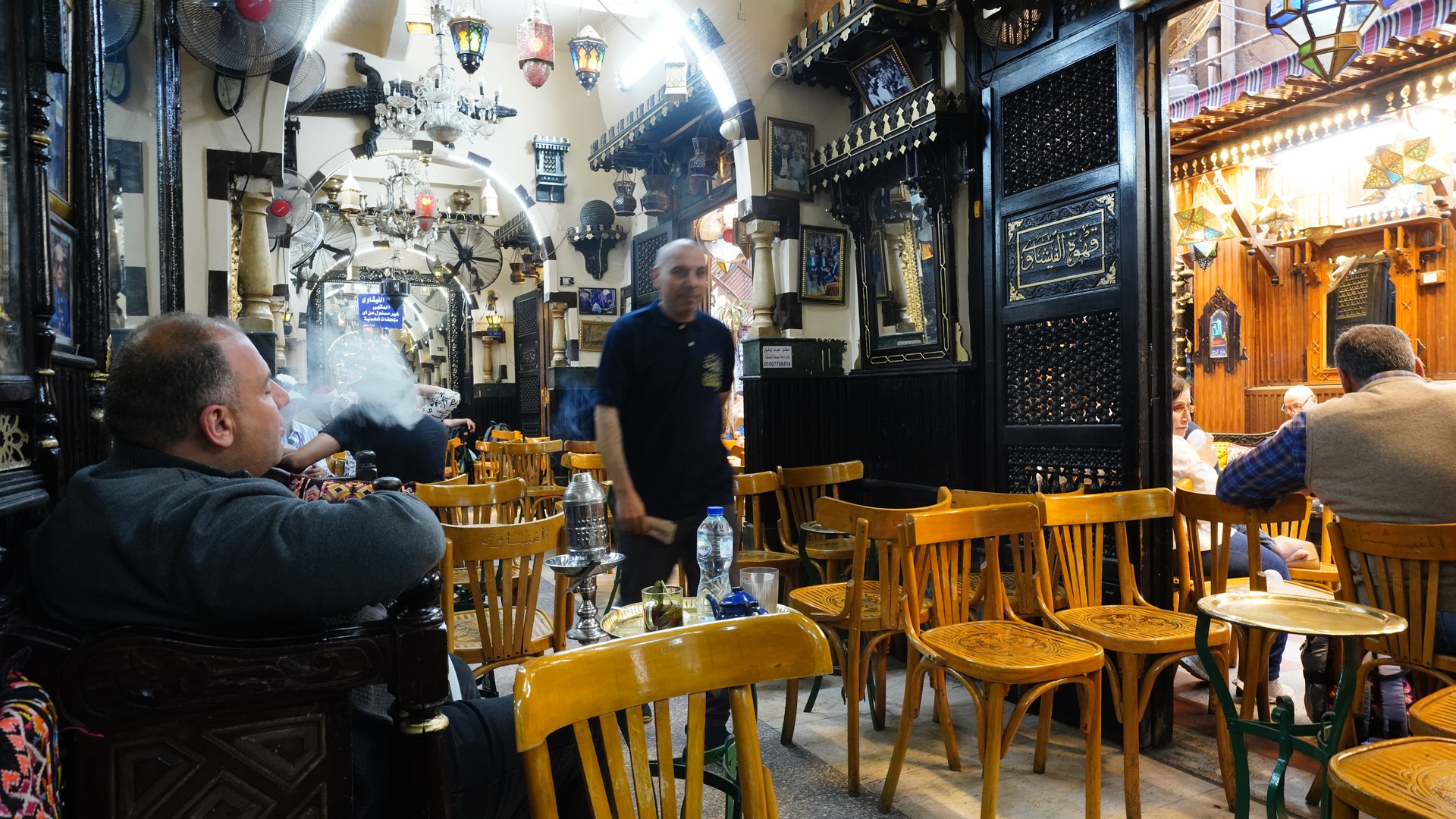
With my friends Mahmoud, owner of the DMC Travel Square Egypt, and Bassem, head of the Milan-based tour operator Bagawat, who organised this descent through the fractals of Egyptian history for me, I return on the final evening to Khan el-Khalili. Glowing lanterns illuminate the alleys while the call to prayer glides above the city’s rooftops. Seated at the historic El Fishawy Café, open since 1773 and once frequented by writers, artists and poets, we drink mint tea and watch the world pass slowly beyond tables worn by time. It was here that Nobel laureate Naguib Mahfouz spent entire afternoons. “Cairo writes within me”, he once said. And this is probably the city’s deepest truth.
Cairo is not merely visited. It stays within you. Like the sand of the desert, like the scent of cardamom, like the reflection of the Nile at night.
Who to contact
Bagawat – Bassem El Fatairy has lived in Italy for more than thirty years. After working for major tour operators, in 2017 he founded Bagawat, a specialist company offering tailor-made journeys to discover Egypt and its beauty.
Travel Square Egypt – Bassem’s partner in Cairo is Travel Square Egypt, led by Mahmoud Ibrahim, whose deep knowledge of the city and the country reveals the capital’s most hidden and contemporary corners.
Where to stay
Radisson Blu Hotel Cairo Heliopolis – Elegant and practical, in one of the city’s most attractive neighbourhoods.
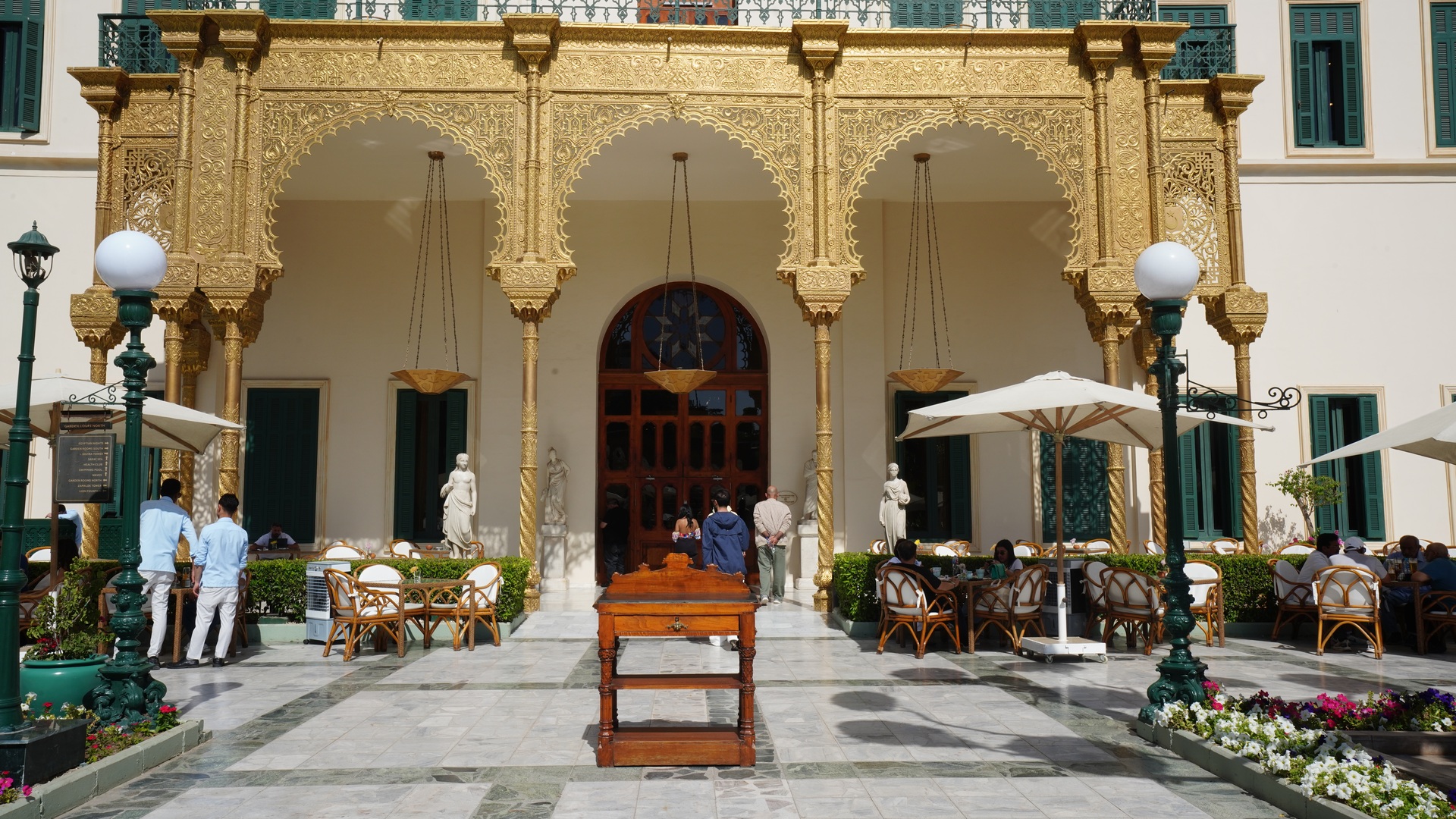
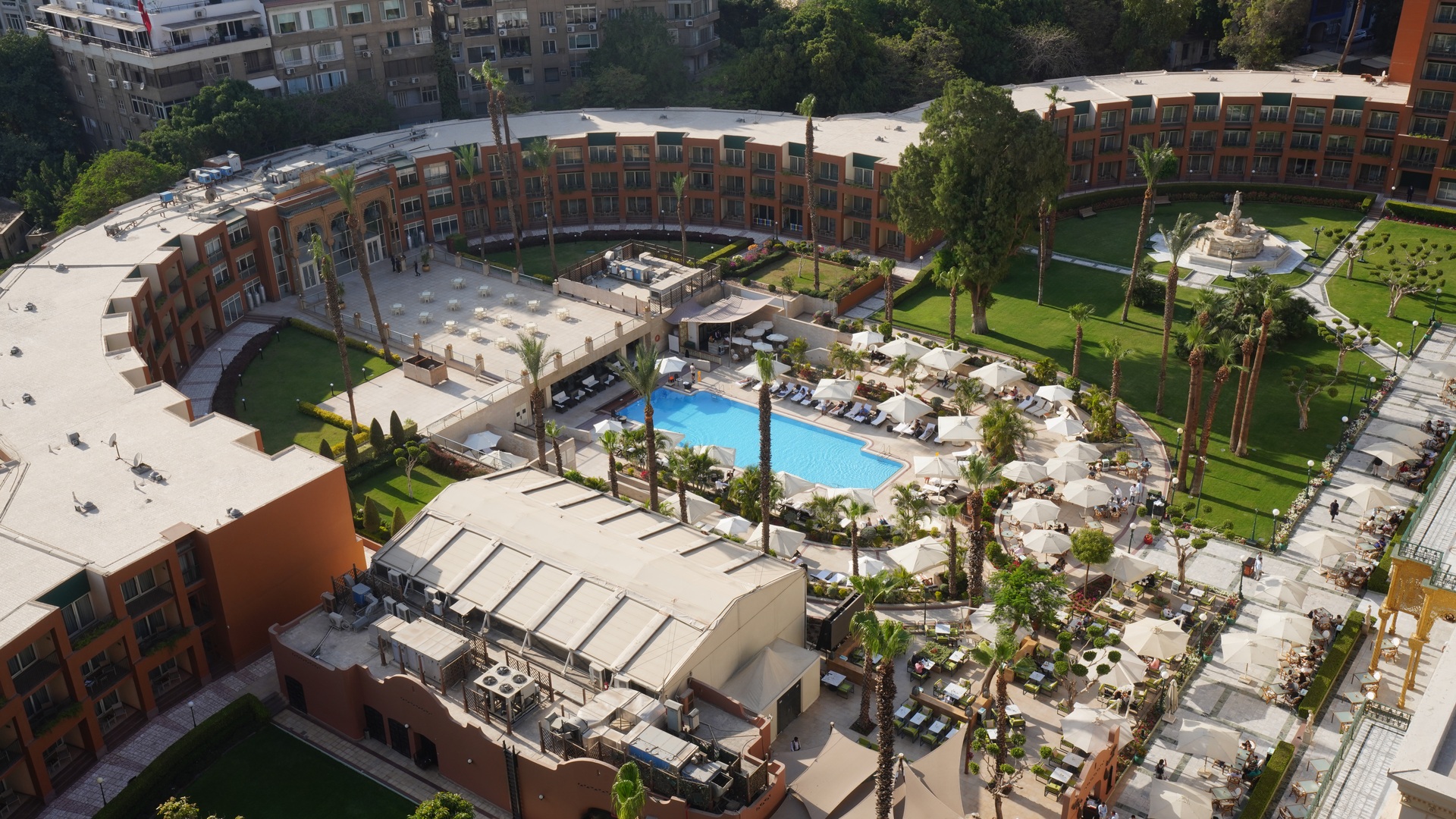
Cairo Marriott Hotel – In the heart of the city, on elegant Zamalek Island: a meeting of history, culture, Ottoman architecture and contemporary sensibility.
Sources and images: Text and photographs by Mauro Parmesani. Photo credits Mauro Parmesani. All image rights are reserved by their respective rights holders.