This is not a Spain that reveals itself immediately. It has neither the Balearics’ sea nor Madrid’s feverish energy. Extremadura is silence, wind and horizon. A vast, almost empty land where roads cross golden plains and oak woods, and where the light seems harsher, more truthful. Yet from here, from this rugged and forgotten periphery, came men who changed the world’s destiny. A land of extremes, a land of conquest.
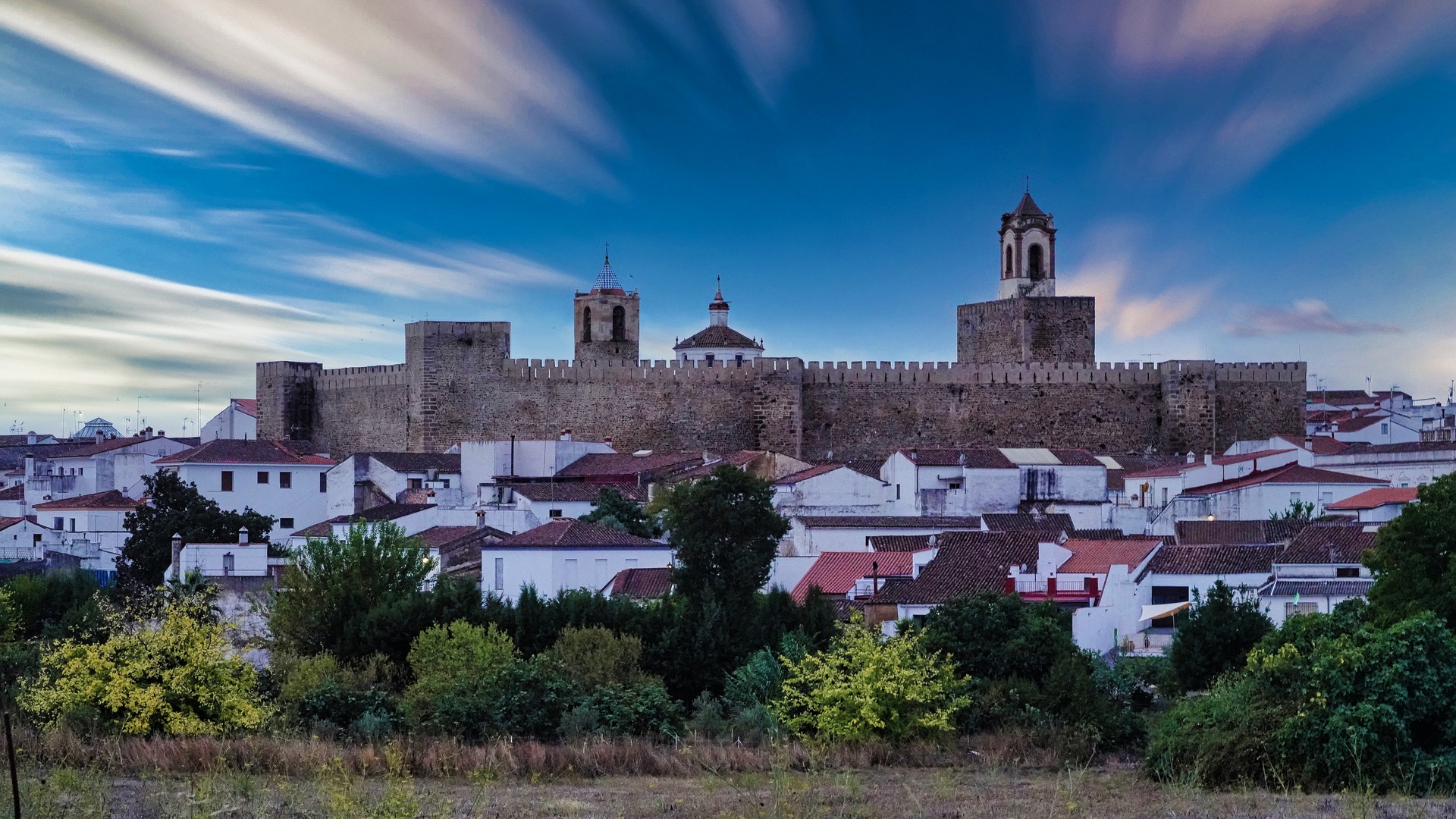
Its very name tells its nature: Extrema Dorii, the lands beyond the Duero. Frontier. Margin. An unstable border between Spain and Portugal, between Christian kingdoms and the Muslim territories of Al-Andalus. In Mérida, ancient Emerita Augusta, time follows ancient rhythms. Founded in 25 BC by Emperor Augustus for legionary veterans, it preserves a Roman theatre that turns gold at sunset and seems suspended in time. Sitting on its tiers during the Classical Theatre Festival means witnessing something rare: two thousand years of history breathing in unison.
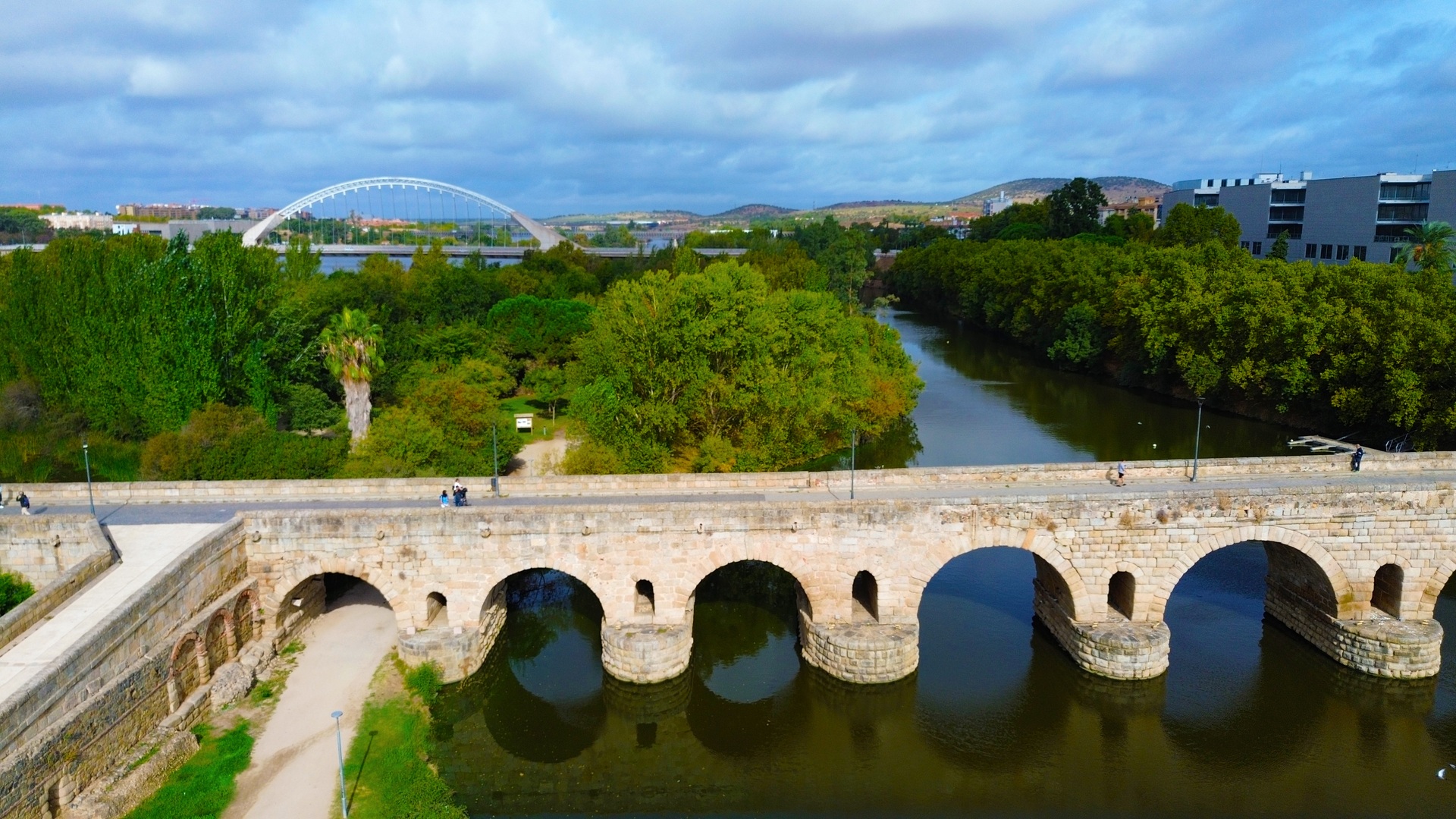
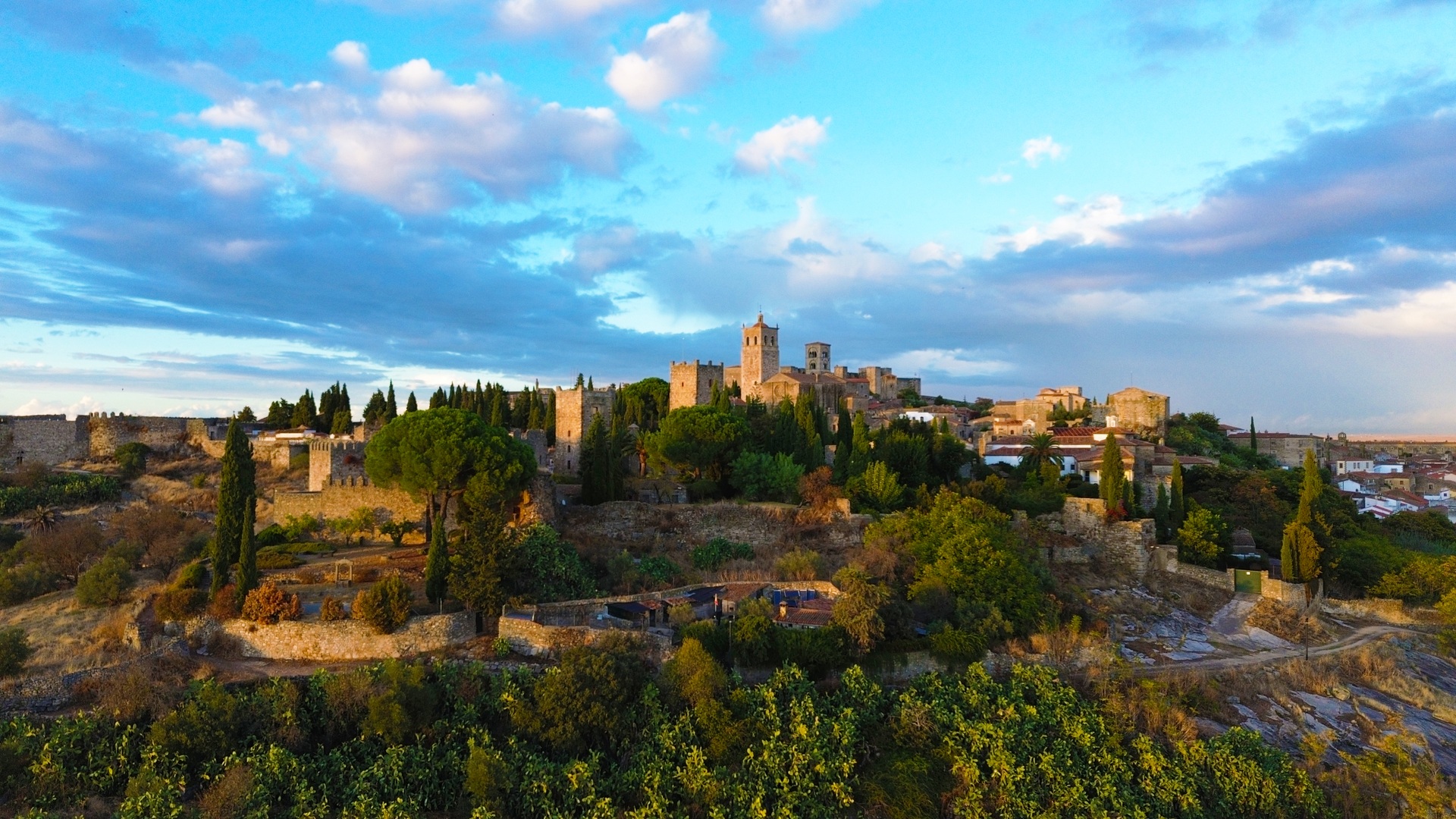
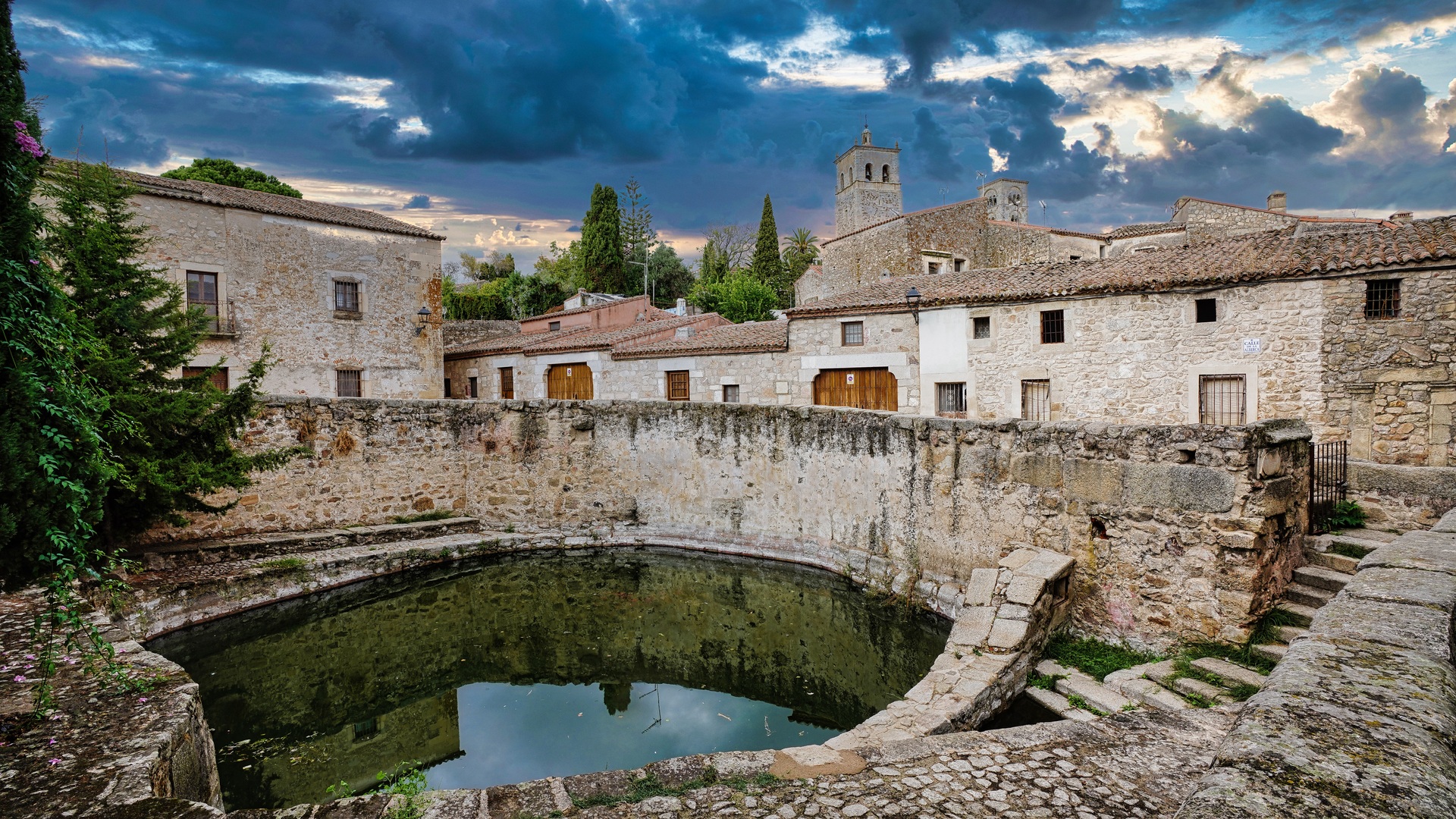
From the Visigoths to the Muslims and, finally, the thirteenth-century Reconquista. The Christians advanced, and this land again became a frontier, a battlefield and contested territory. Every people left stone, towers and walls. Extremadura was never the centre of power. It was always a threshold. And revolutions are born at thresholds. The land here is hard. Summers burn. For centuries, poverty drove entire generations to look beyond the ocean. These lands produced Hernán Cortés, who overthrew the Aztec Empire; Francisco Pizarro, conqueror of Peru; and Francisco de Orellana, the first European to travel the entire Amazon River. The sons of Extremadura who conquered the world. In Trujillo, Pizarro’s equestrian statue dominates the Plaza Mayor like a long shadow over Latin America. Renaissance palaces built with gold from the Indies tell of a time when this marginal land was, paradoxically, the heart of imperial expansion. Cortés, born in Medellín and conqueror of the Aztec Empire, is associated with a legendary phrase: “Quemé mis naves para no volver atrás”, I burned my ships so as not to turn back. Perhaps he never actually said it. But it sums up a character: radical, irreversible, extreme. Just like this region. And again Francisco de Orellana, the first European to navigate the entire Amazon River. Extremadura gave Spain more conquistadors than wheat, people still say. Walking among the Renaissance palaces of Trujillo or Cáceres, you notice coats of arms with exotic symbols, American wealth transformed into architecture. It is the echo of a global empire born in a desperately poor land.
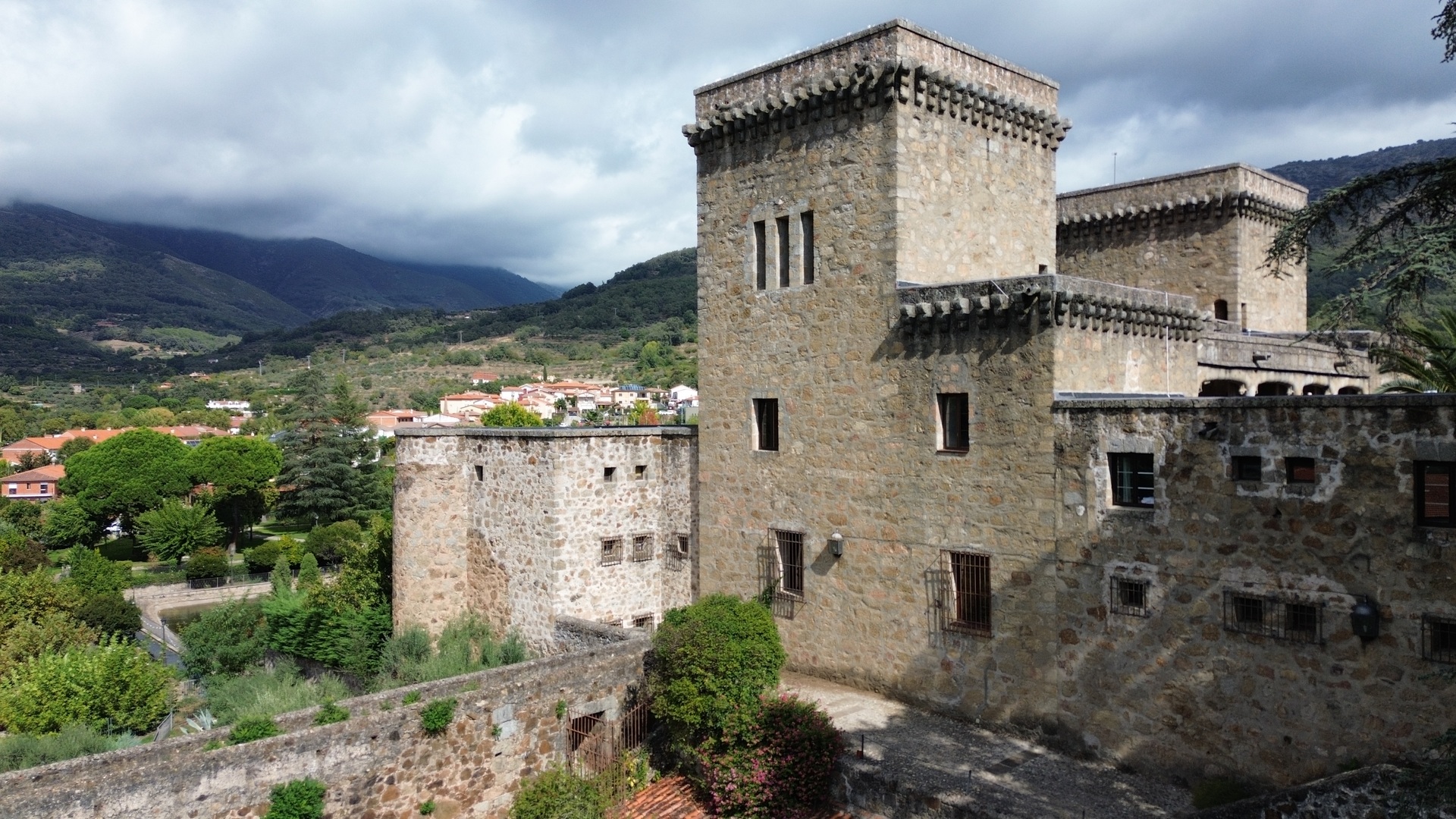
Then there is the empire’s other face: its sunset. When Europe’s most powerful man, Charles V, decided to abdicate in 1556, he chose Extremadura for his retirement. He settled at the Monastery of Yuste, hidden among the woods of La Vera. Ruler of an empire on which the sun never set, he chose to spend his final years in prayer, silence and the clock mechanisms he loved to study obsessively. He suffered from gout and moved with difficulty, carried in a special chair, yet still observed the world from afar, reflecting on the fragility of power. He died at Yuste in 1558.
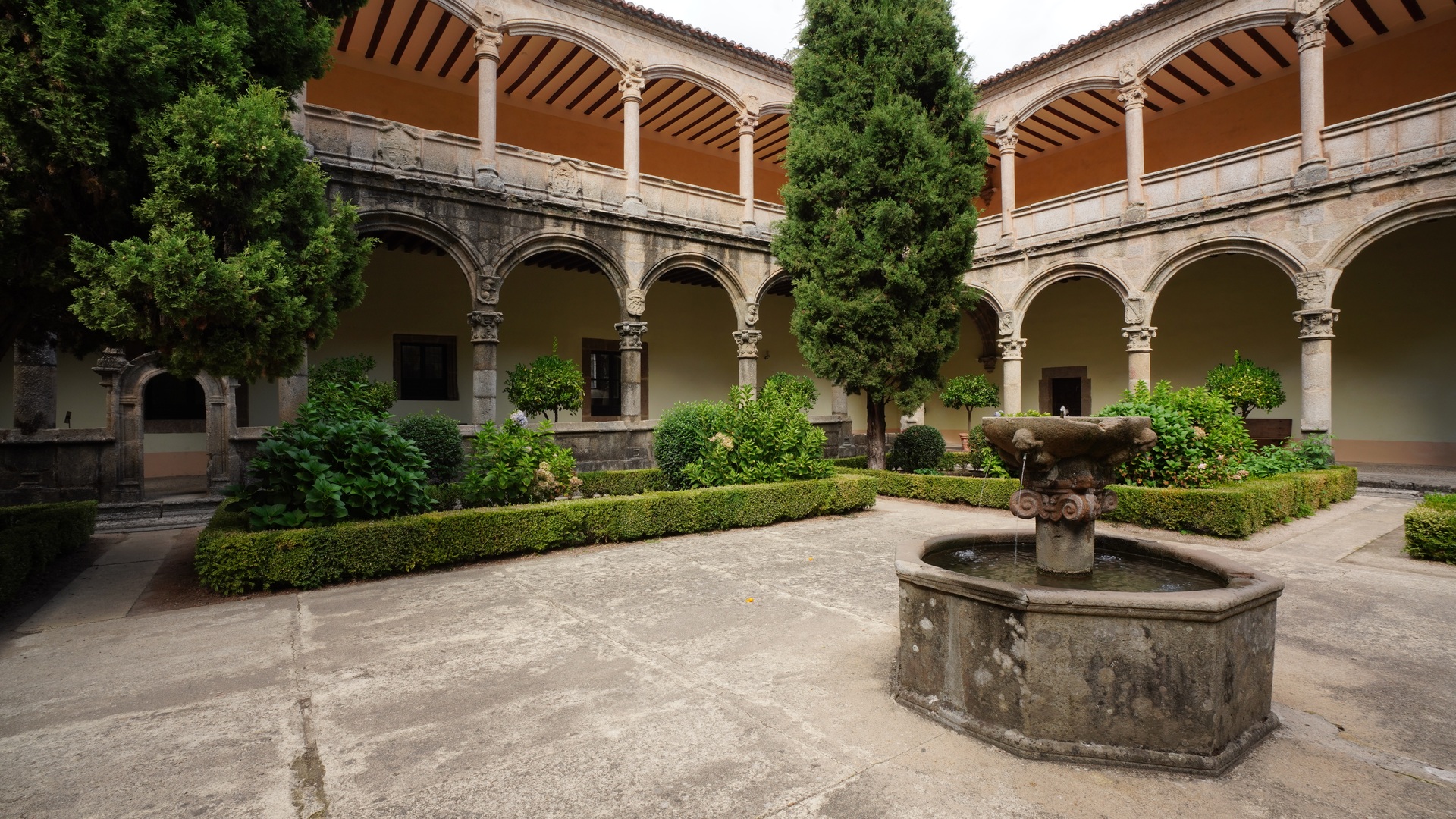
It is a powerful image for today’s traveller: the universal emperor choosing Extremadura’s rural heart for his final breath. As though this land were the natural place for a return to essentials.
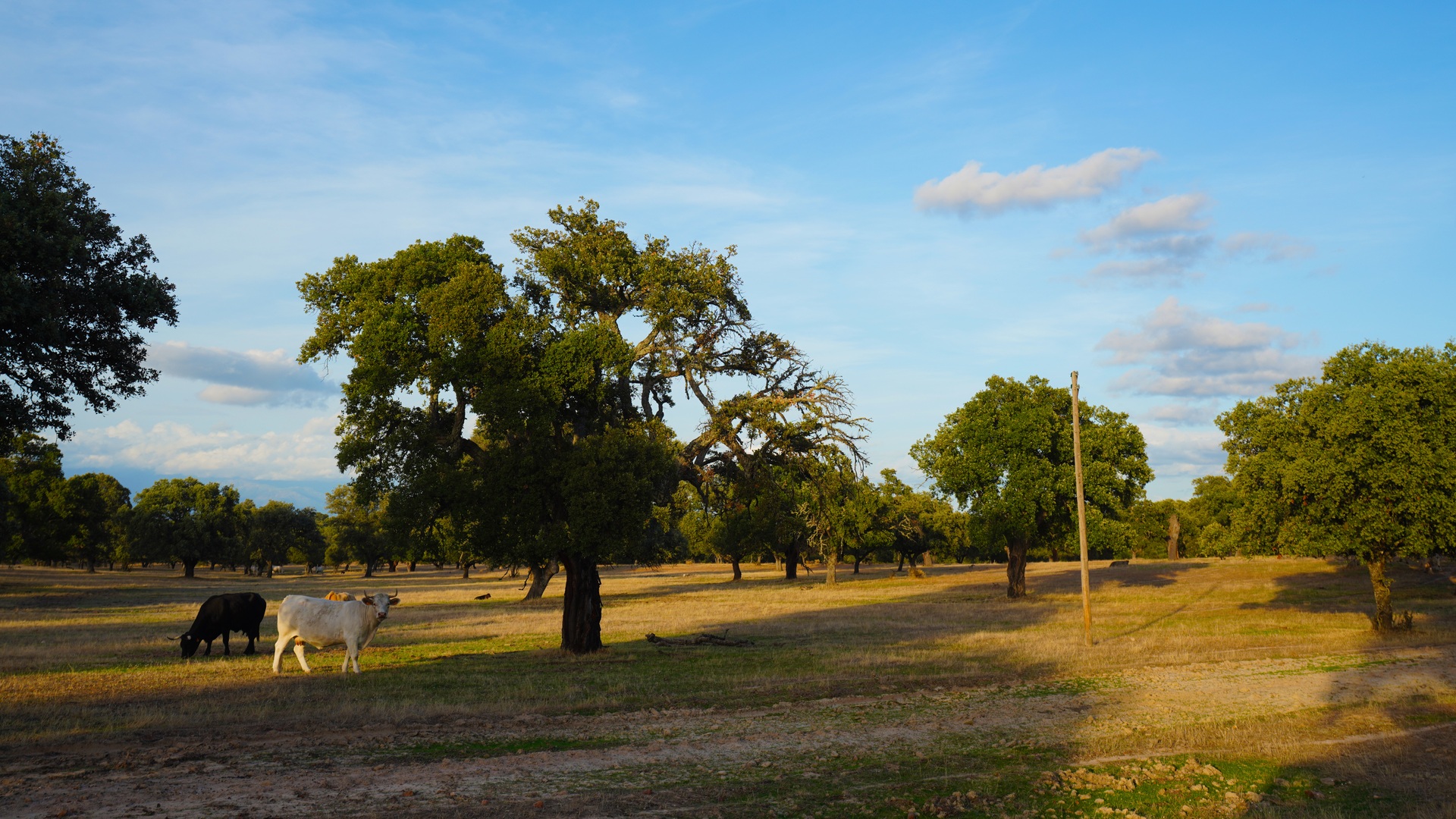
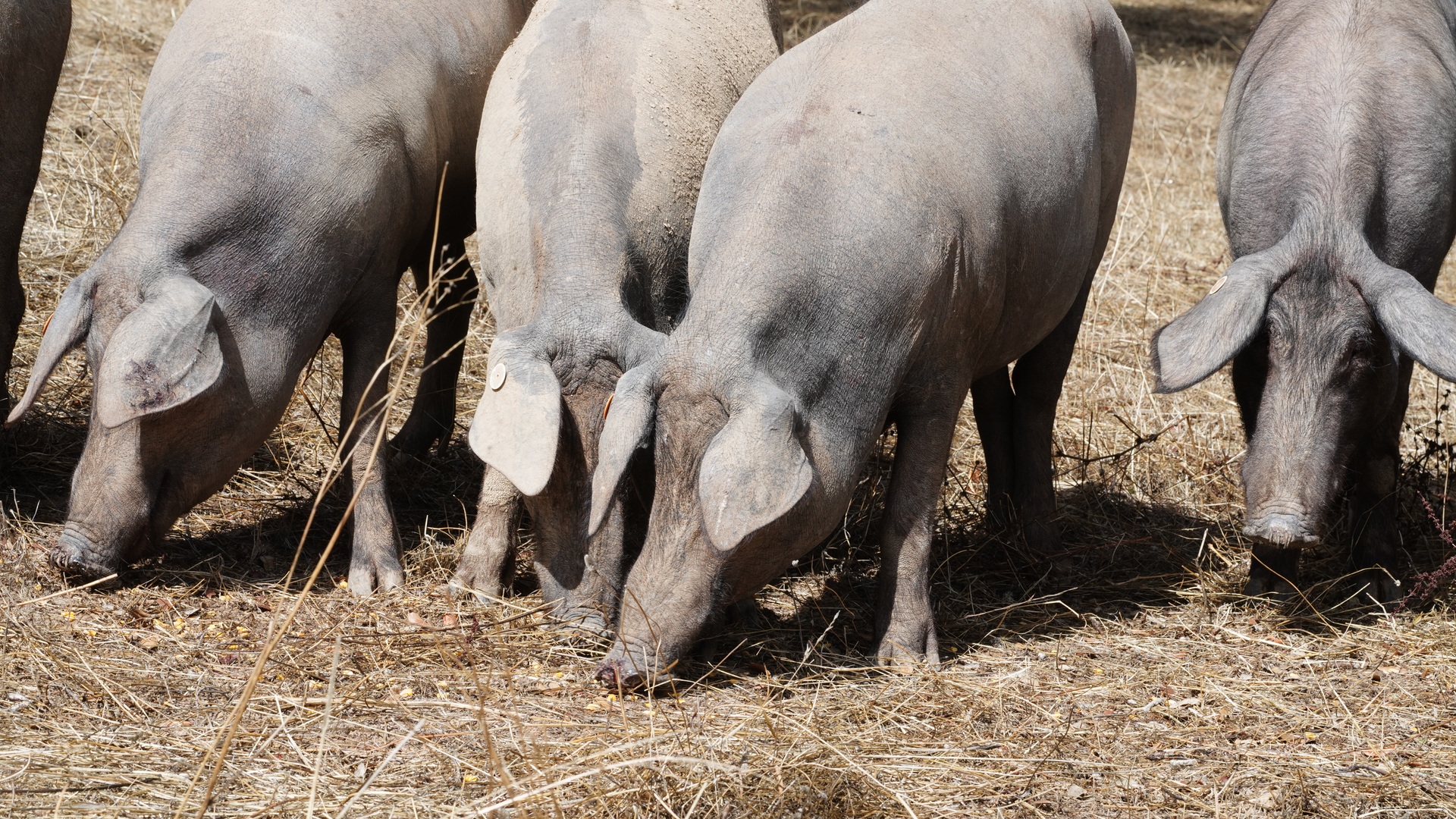
To truly understand Extremadura, you must leave the cities. The dehesa is its defining landscape: open woodland of cork and holm oaks sharing space with wild grasses, crops and grazing. Neither wild nor entirely domesticated, it is an ancient balance between people and nature. Walking through the dehesa at dawn means feeling the ground crunch beneath dry leaves, watching mist rise slowly among twisted trunks and hearing only distant bells. It is a contemporary luxury: silence. Here black Iberian pigs graze freely. They feed on acorns during the montanera, the final phase of their growth. This unique ecosystem makes possible one of Spain’s most iconic foods: jamón ibérico de bellota. It is more than food. It is a ritual. Aged for years, jamón ibérico de bellota has a silky texture and a complex aroma of hazelnuts, dry grass and woodland undergrowth. Every slice tells the story of the land: the oaks, the seasons, time. In Extremadura, people do not eat in a hurry. The ham is sliced by hand, very thinly. It is savoured slowly, perhaps with a wine from Ribera del Guadiana. It is the concentrated taste of this austere land.
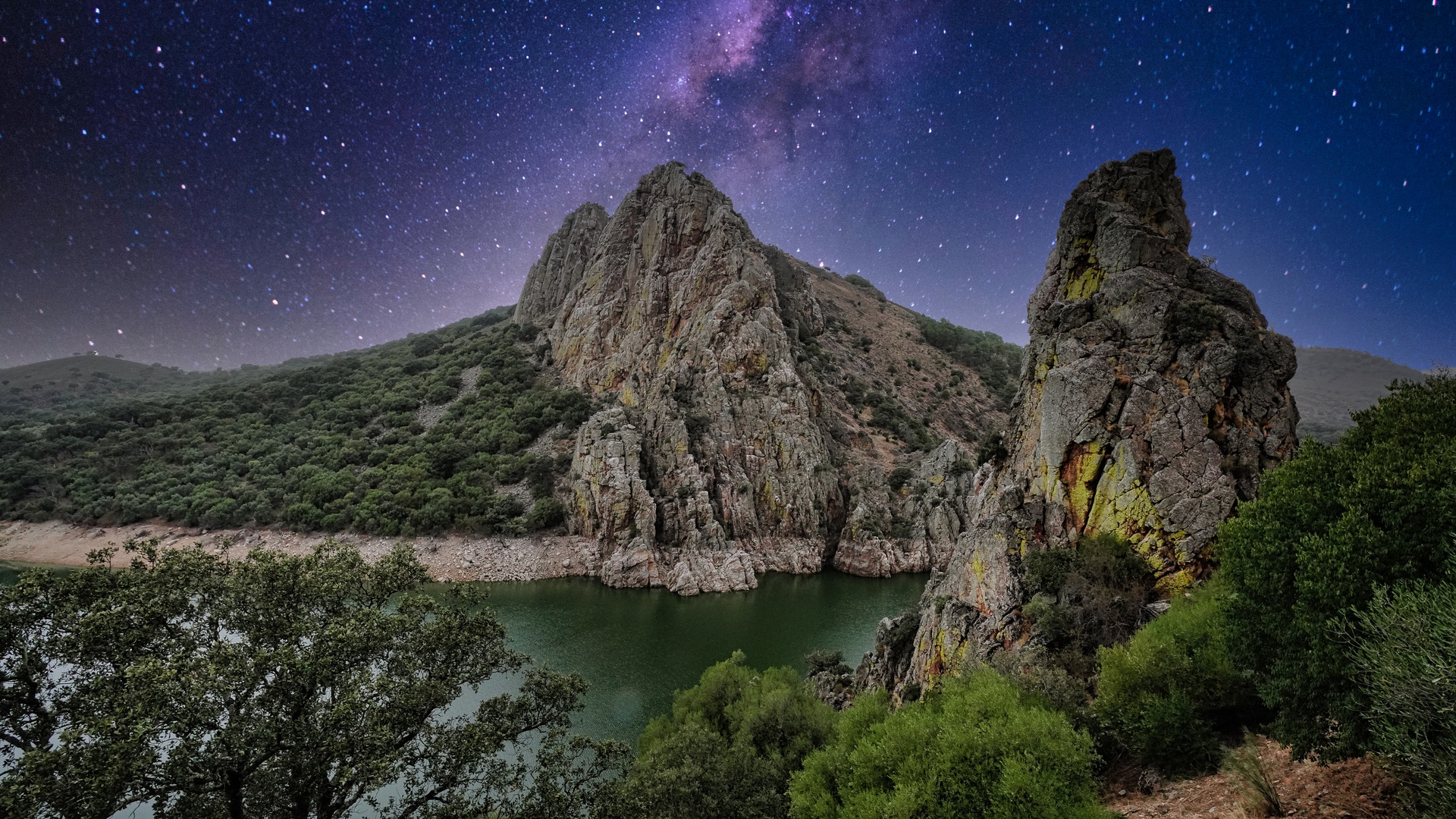
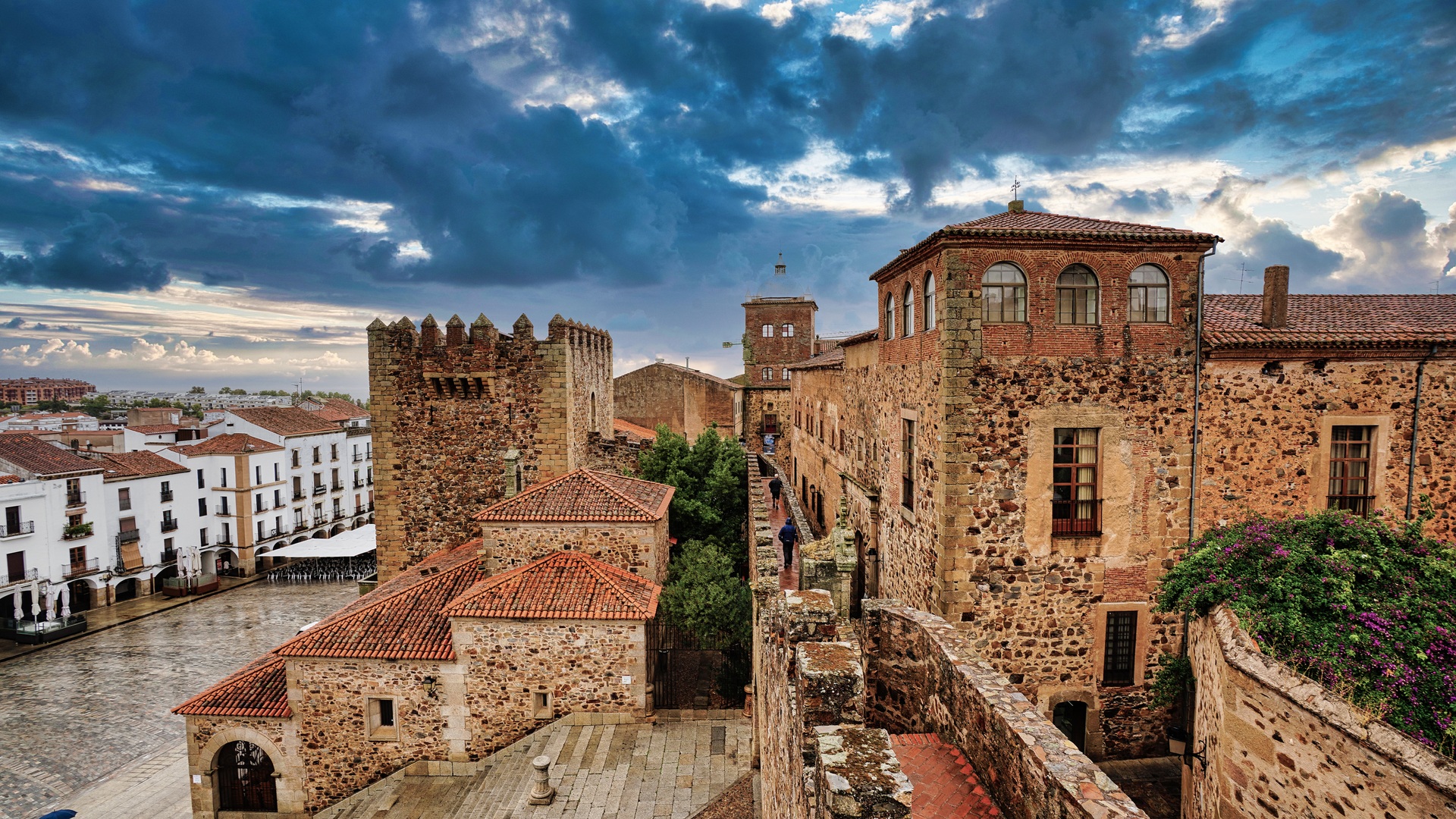
Monfragüe National Park is one of Europe’s great natural sanctuaries. Steep cliffs plunging into the Tagus shelter colonies of cinereous vultures and Spanish imperial eagles. The skies are so clear that Extremadura has become an astrotourism destination. In spring, the Jerte Valley bursts into spectacular white blossom: more than a million cherry trees turn the valley into a sea of vegetal snow. Nature here is not scenery. It is the protagonist. So too are the historic towns that unite the territory like a mosaic. UNESCO-listed Cáceres is a perfectly preserved medieval labyrinth. Noble towers, golden-stone palaces and silences that amplify every footstep. Walking through it at sunset is like entering another era, a perfect film set. Badajoz tells the story of the border with its imposing Moorish Alcazaba overlooking the Guadiana. And in Guadalupe, the monastery of the Black Madonna, venerated by kings and explorers, recalls the deep bond with the New World: Christopher Columbus also stopped here after his first voyage.
Extremadura is not the Spain of crowds. It is neither postcard nor excess. It is a region that reveals itself slowly, like its solitary roads crossing golden plains. It gave Spain emperors and conquistadors, yet chose to remain restrained, almost secluded. A land where history is not an isolated monument, but a pervasive atmosphere.
Perhaps this is its greatest charm: having left a profound mark on the world’s destiny without ever ceasing to be a periphery. A frontier that generated history rather than merely enduring it. A journey through Extremadura is not an accumulation of attractions. It is a return to essentials. And perhaps that, today, is true luxury.
Jamón ibérico de bellota
It is one of the highest expressions of Spain’s gastronomic tradition. Iberian pigs are raised in the dehesa, particularly in regions such as Extremadura and Andalusia. The dehesa is estimated to cover around 2.3 million hectares in Spain and 0.7 million in Portugal, where it is called montado. Here the animals live semi-freely with ample space: regulations allow up to one hectare per animal during the montanera phase, ensuring sufficient acorns, or bellotas. During this final rearing stage, lasting around three to four months, pigs feed almost exclusively on acorns and wild grasses. Starting at around 90–100 kilograms, they can reach 160–180 kilograms before slaughter. Constant exercise and a natural diet encourage fat to infiltrate the muscle, producing the characteristic marbling. After salting, the hams are washed and moved to rooms with controlled temperature and humidity. They mature in natural drying rooms and then in bodegas, where the ham rests for twenty-four to forty-eight months. Here it develops complex aromas and a soft, lustrous texture. Central to showcasing the product is the cortador de jamón, a professional specialising in hand slicing. Spain offers professional courses and recognised certifications attesting to technical skills, anatomical knowledge of the leg and presentation ability. The cortador diploma is more than a formal qualification: it represents years of practice and study to achieve exceptionally thin, even slices that best express the aroma and flavour of jamón ibérico de bellota. Pepe Alba, a renowned cortador de jamón, offers in-depth experiences and spectacular tastings. Plácido Cárdeno is one of the finest companies for ageing, or secadero, and selling jamón, established in 1910.
Sources and images: Text by Mauro Parmesani. Photo credits in the captions. All image rights are reserved by their respective rights holders.