“If you do not know where to go, look at where you come from”, says an Akan proverb. In Ghana these words sound less like a maxim to pass down than a key that opens a door. Here the past is never truly past: it remains in streets, faces, gestures and places where history has settled without ceasing to pulse. This country is young in its energy and ancient in its self-awareness, where the future erases nothing and memory continues to exert its weight.
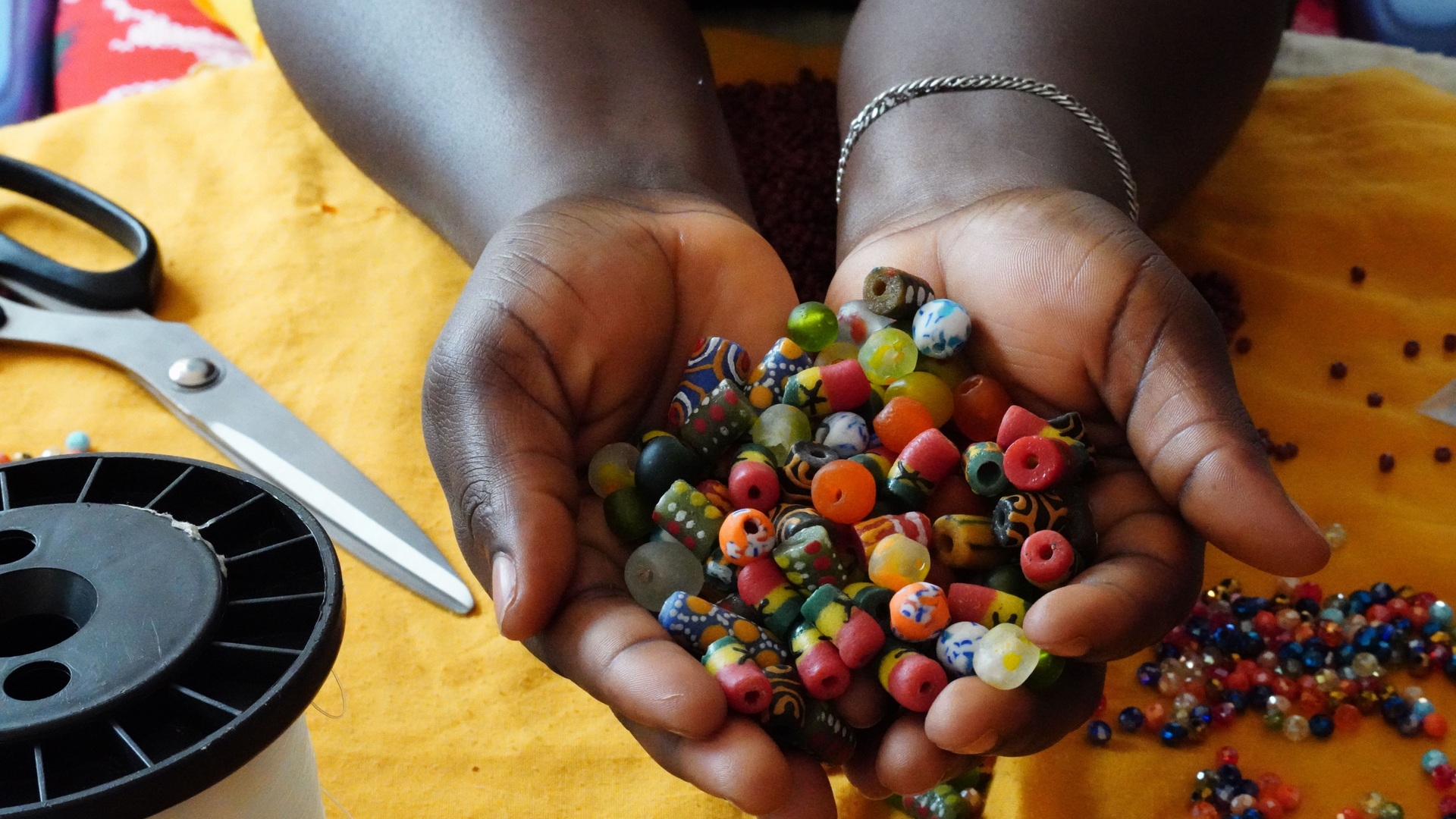
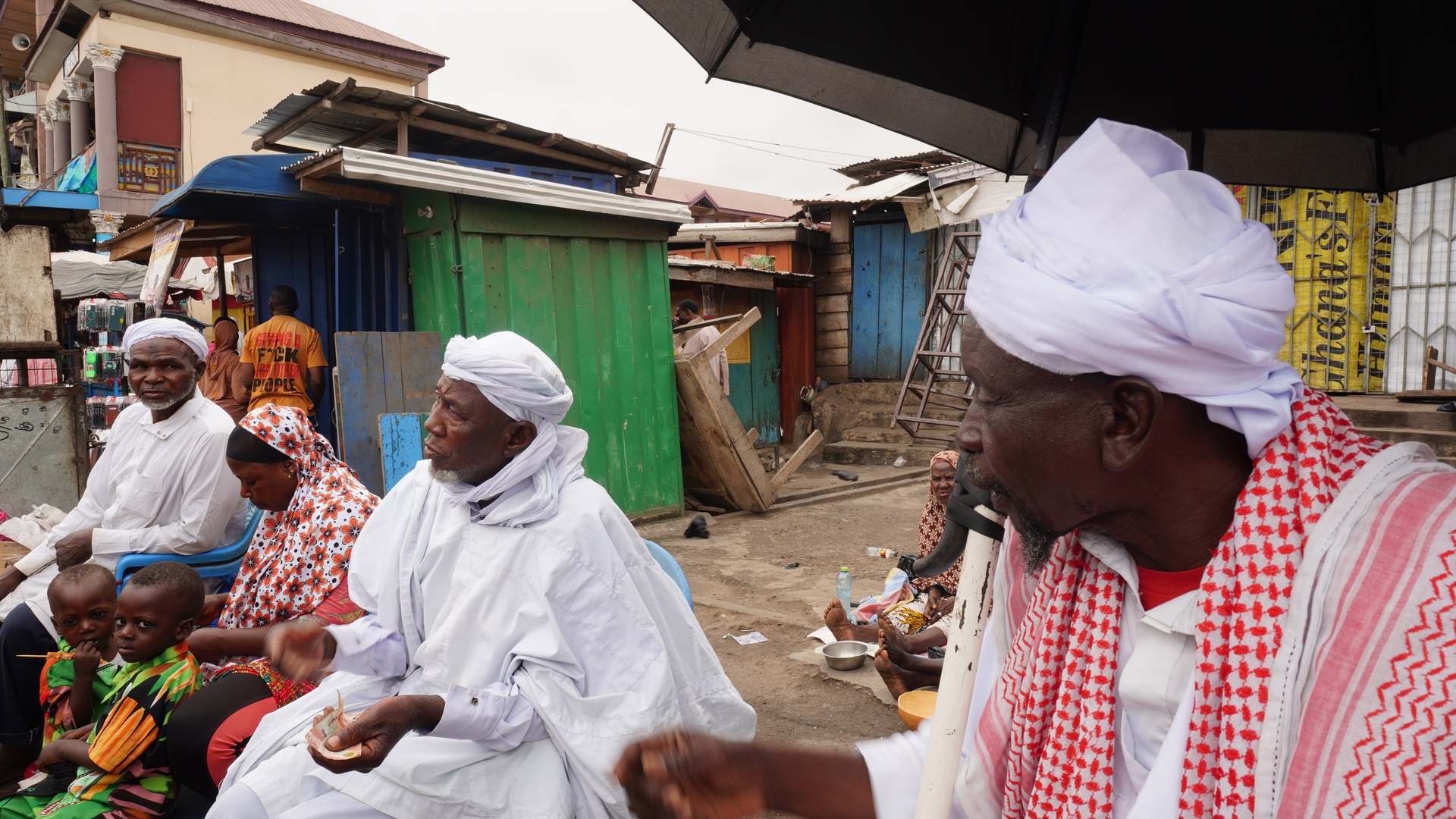
Accra hits you before it lets itself be understood. The heat is dense, the traffic relentless, and music seems to filter from every direction like a continuous current. Horns, prayers, laughter, highlife and Afrobeats mingle with the smell of petrol and smoked fish. The capital races, jostles and changes its skin. It is a restless, vital, impatient city that seems to hurtle forwards without ever having untied the knot of its history. It is hardly surprising that it was here, in 1957, that Ghana became the first country in sub-Saharan Africa to gain independence, under Kwame Nkrumah, a central figure in Pan-Africanism. Yet in Accra that ambitious, radical political dream still feels like a promise only partially fulfilled.
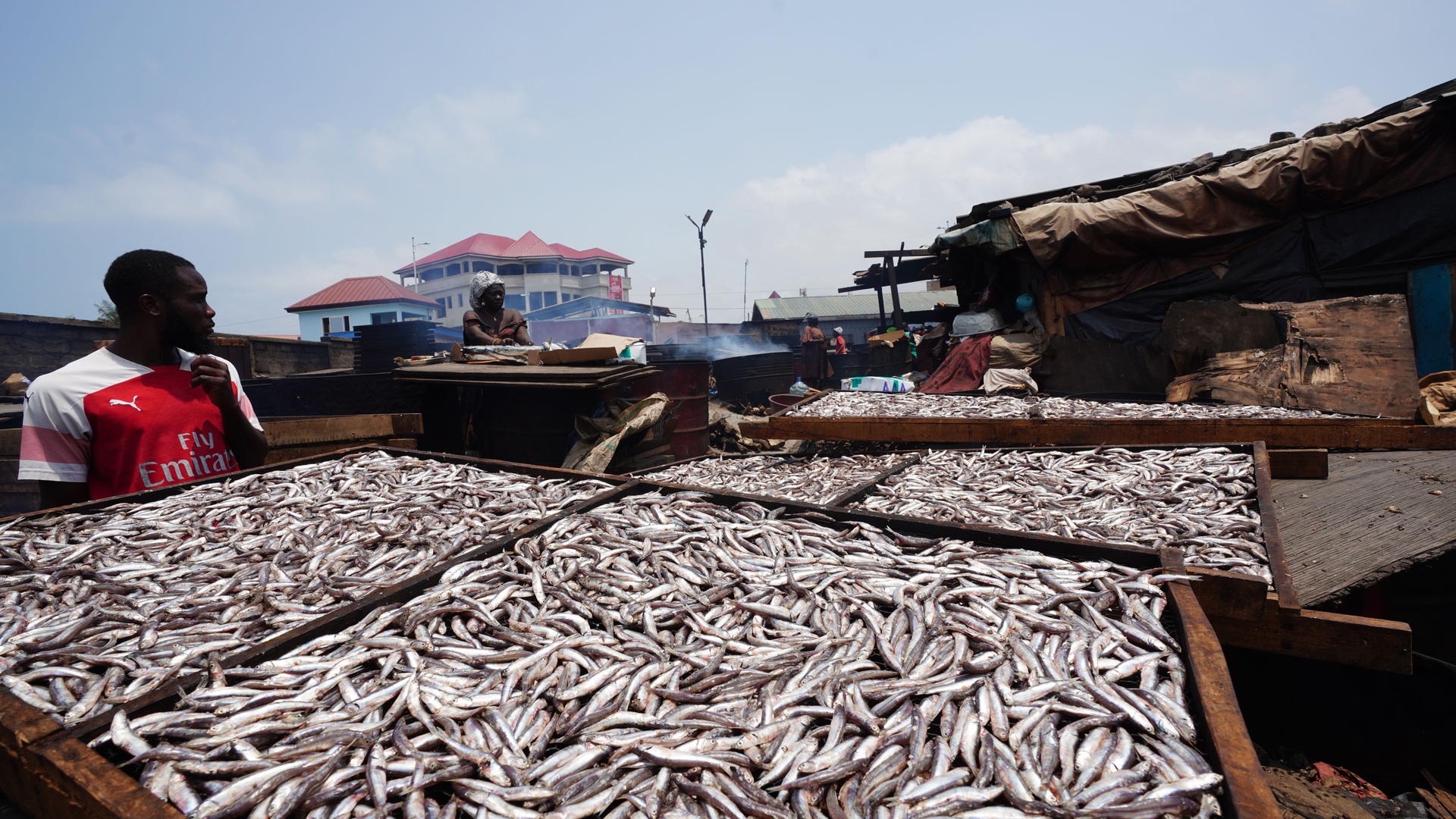
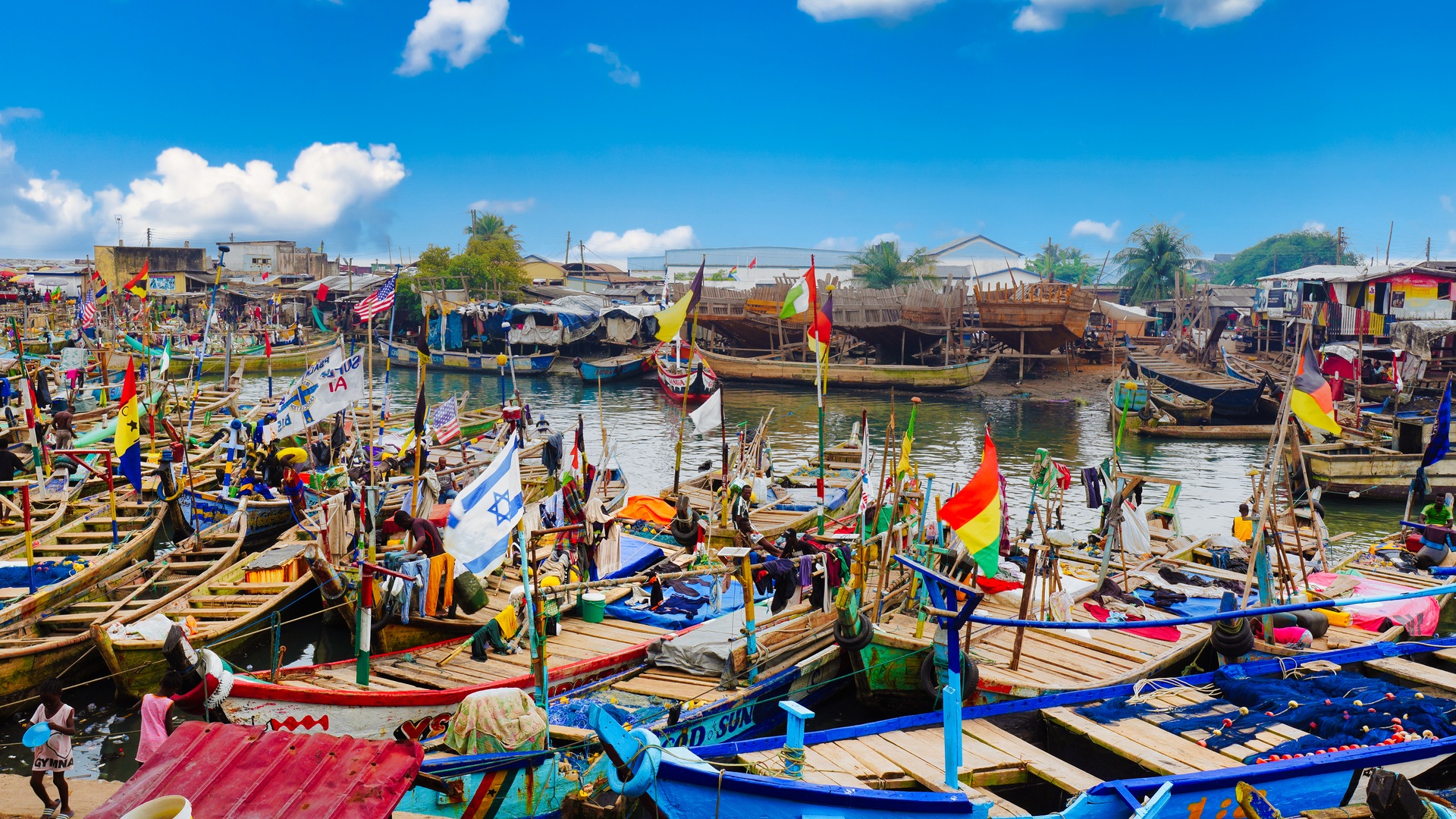
This feeling takes its clearest shape in Jamestown. The historic district faces the Atlantic with peeling colonial houses, nets spread in the sun, hand-painted boats and children playing on the sand among debris and fishing vessels. The great white lighthouse overlooks a fishing community living on the unstable edge between tradition and poverty. Here Accra sheds every veneer and reveals its most exposed fibre. Walking through Jamestown means accepting people’s direct gaze, immediate exchanges and a proximity that permits no neutrality. This is not a place seeking pity. Rather, it asks for attention, presence and time. An elderly man looks at me and smiles: “The sea gives and the sea takes. We remain”. Perhaps this is the coast’s clearest distillation: precariousness, pride, permanence.
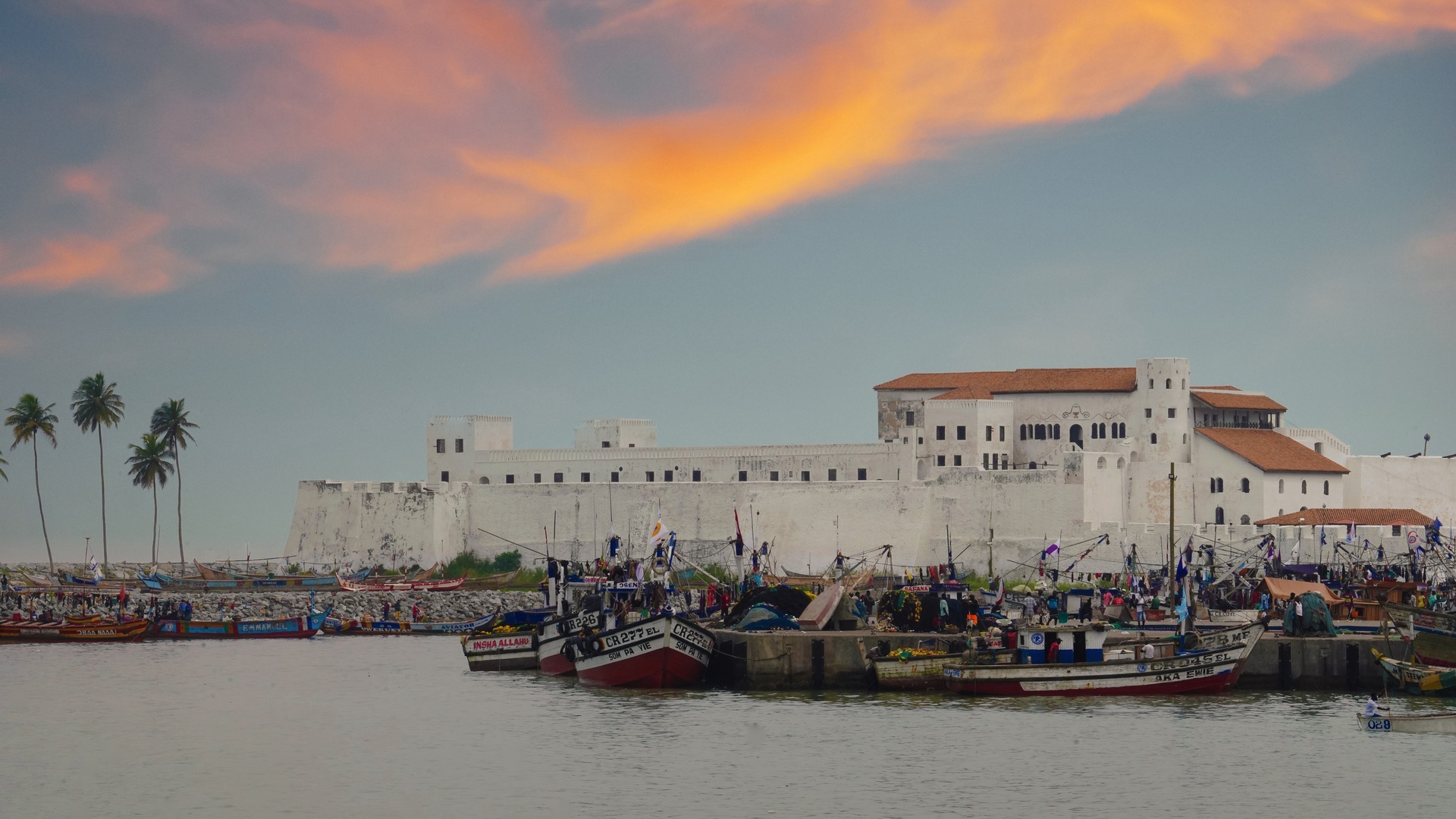
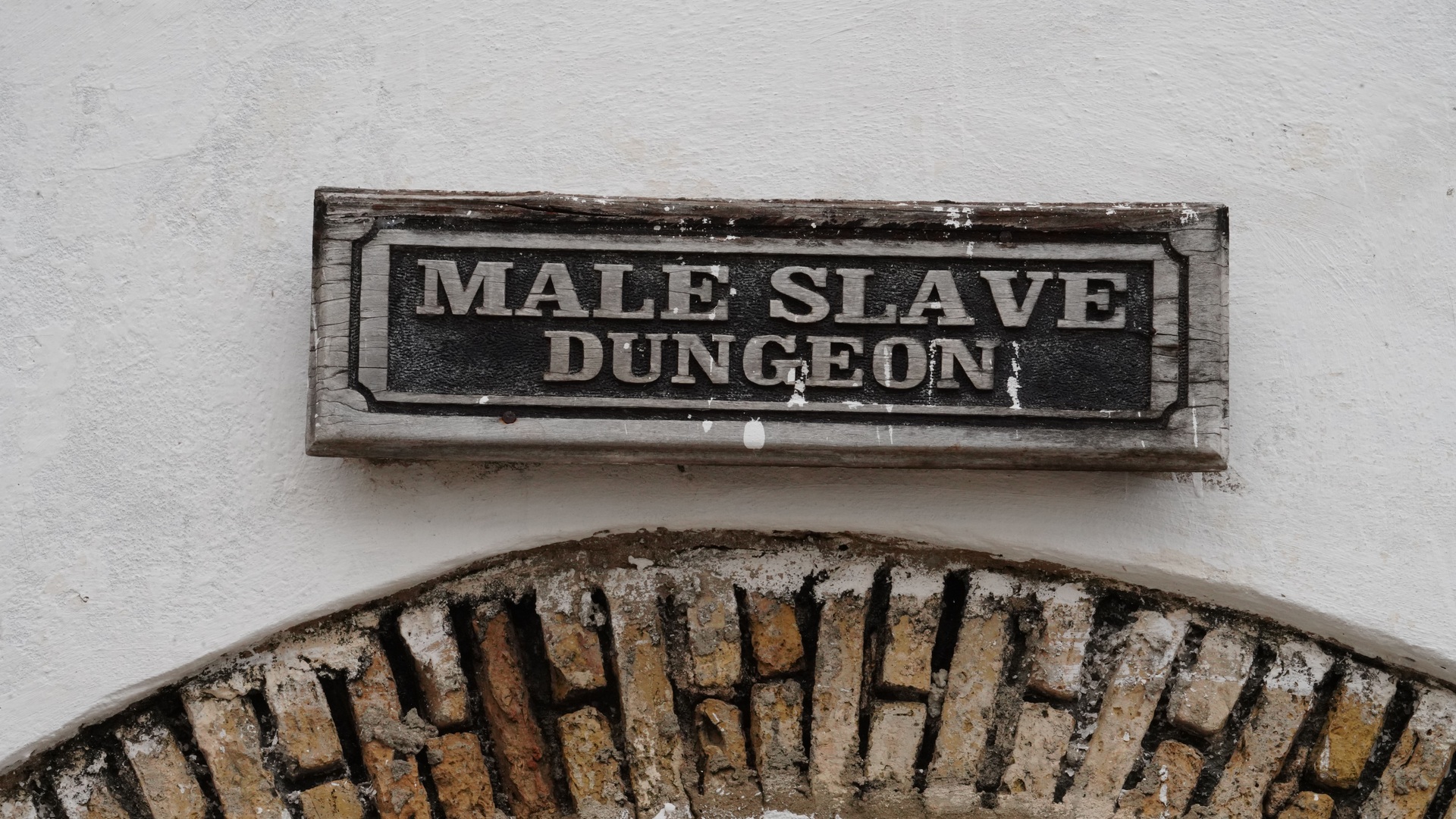
The journey then moves west along the stretch of coast the British called the Gold Coast. The landscape changes only in appearance. The sea remains beautiful, almost outrageously blue, but its light fractures before the memories it holds. Elmina emerges white and solemn, as though nothing could diminish its grace. Yet you need only enter the castle to feel the air change. Damp walls, narrow passages and dark cells still recount one of the most atrocious chapters in the slave trade. Thousands of human beings were imprisoned here, awaiting sale and deportation. Before this place, you understand that history is not merely a subject to study, but a pressure that can still strike physically. “The scar remains even when the wound has healed”, says a Ghanaian proverb. Along the Gold Coast, scattered with castles and fortifications, that scar has never disappeared.
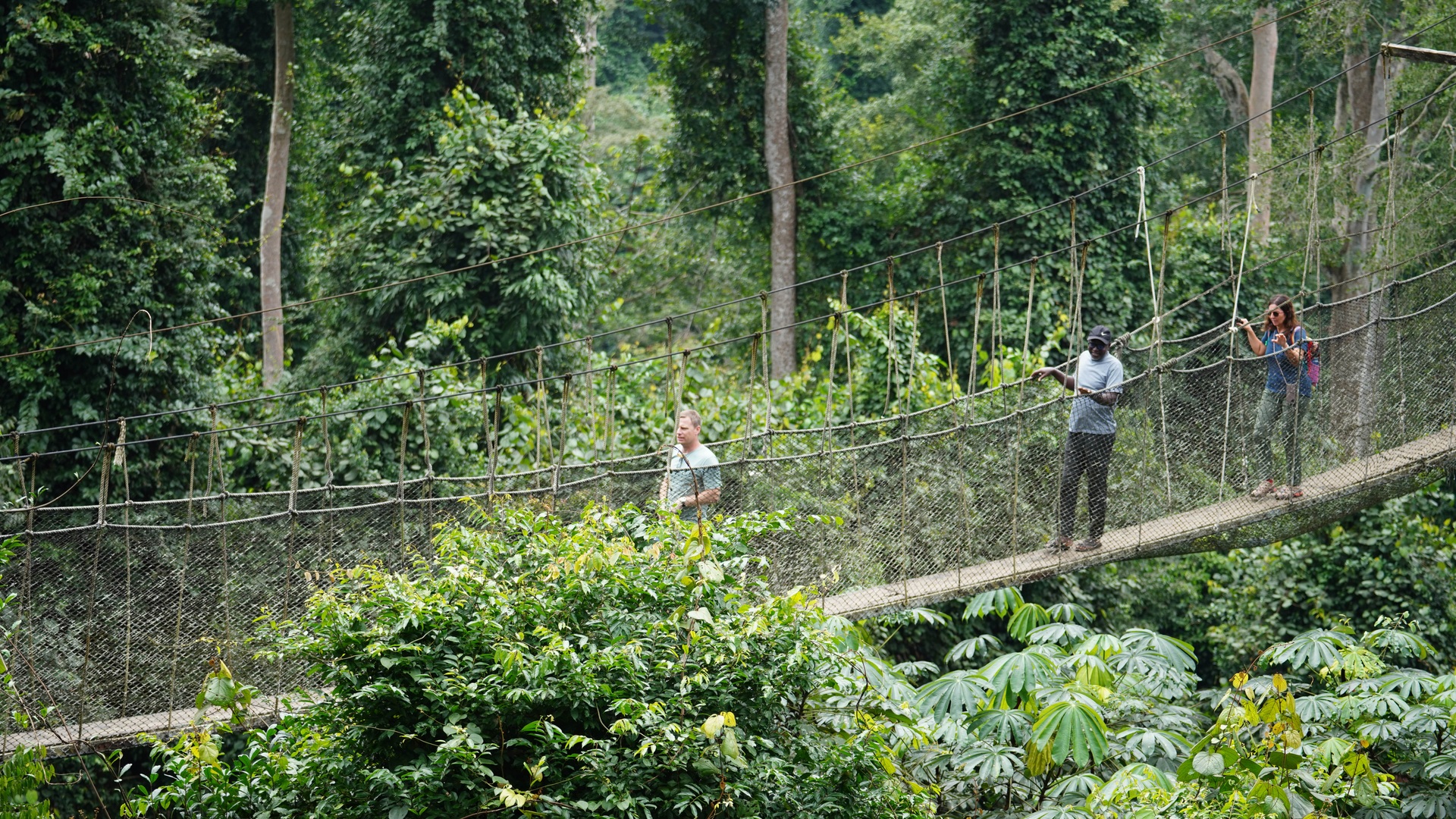
After such an immersion, Kakum offers no escape, but another way to listen to the country. The national park’s rainforest wraps everything in a dense, almost absolute green. The Canopy Walk, with its suspended walkways more than thirty metres above the ground among the treetops, forces you to slow down and change perspective. You walk in balance, swaying slightly, through a landscape that seems to preserve an ancient face. Here it is not history that asserts itself, but proportion. Kakum teaches humility, and it is no coincidence that another Akan proverb reminds us that those who climb very high must know how to descend carefully. In Ghana even nature seems to speak in moral aphorisms.
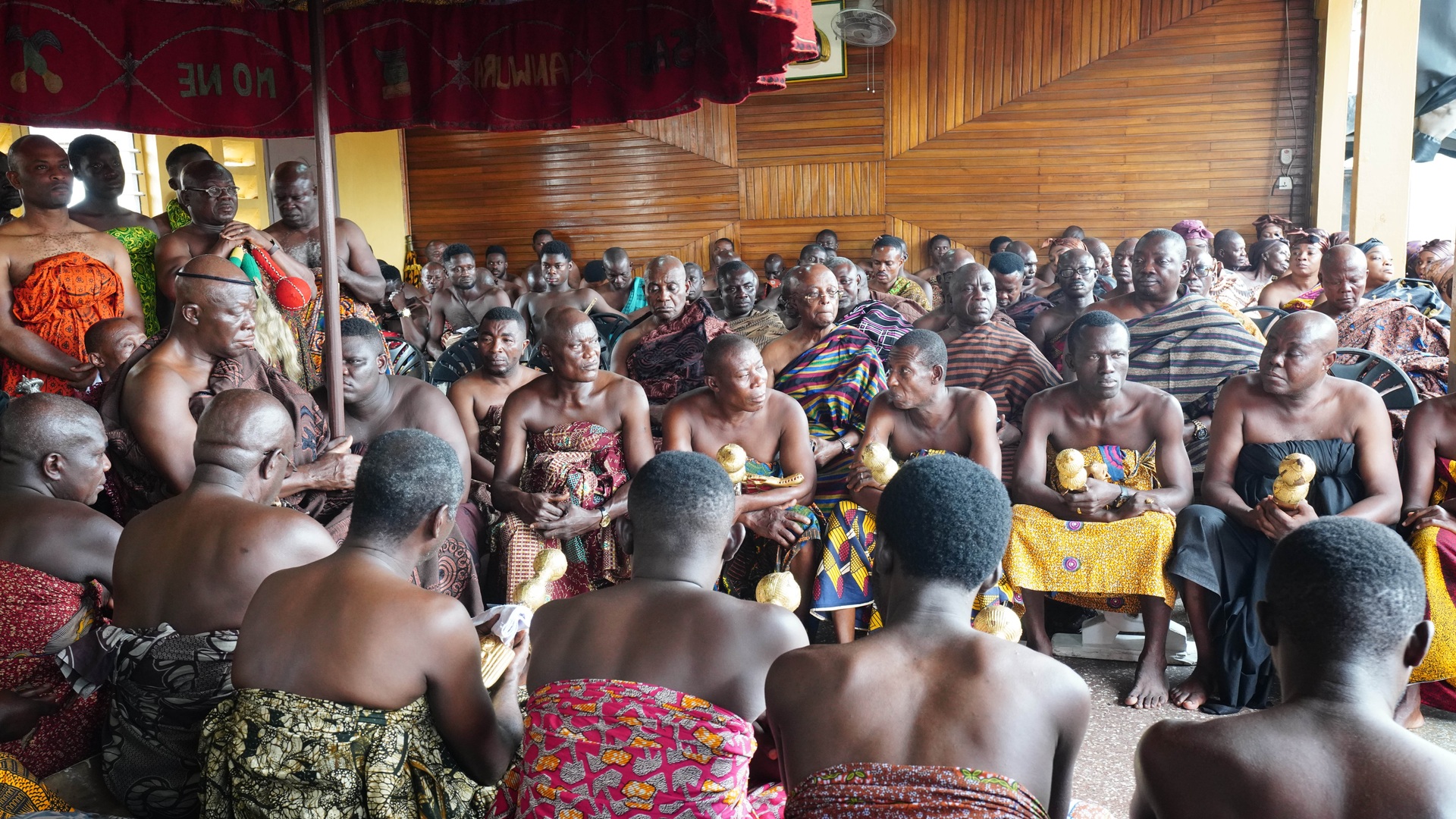
But the journey reaches its greatest intensity in Kumasi. The city is the spiritual heart of the ancient Ashanti kingdom, still alive in its traditional structures within the modern Ghanaian state. Here, in Manhyia Palace, lives the Asantehene, Osei Tutu II, guardian of an authority that is neither folklore nor relic, but an active form of historical continuity. All this becomes powerfully manifest during Akwasidae, the ceremony celebrated every forty-two days in honour of the ancestors and the profound bond that unites the Ashanti people.
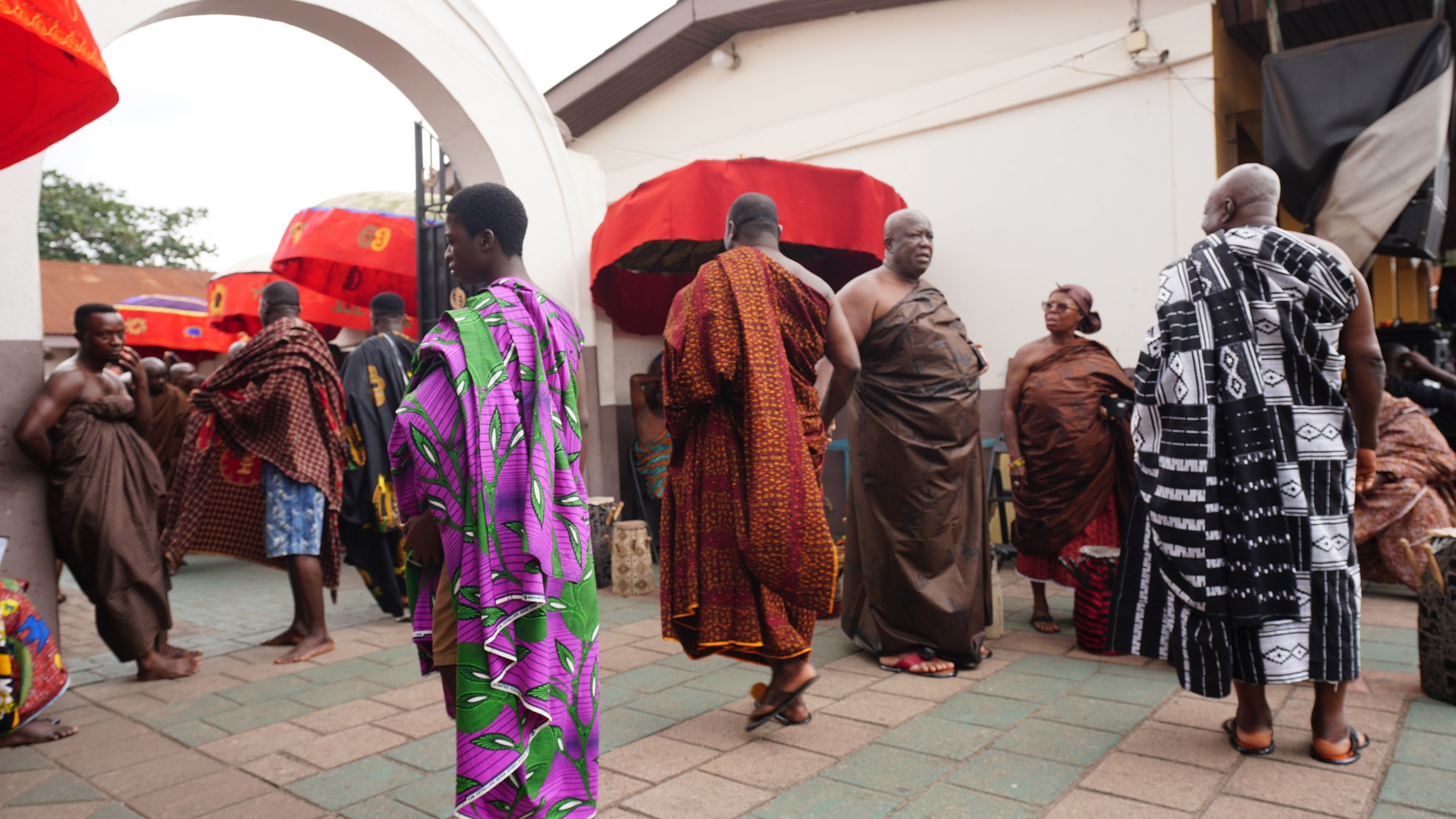
To witness it is to enter a space where politics, spirituality and representation cannot be separated. The courtyard fills with colours, kente cloth, dancing, singing, drums, dignitaries, warriors and courtiers. Gold is everywhere: necklaces, bracelets, sceptres, stools, emblems of a royalty that is not mere ostentation, but a precise symbolic order. Every gesture has meaning, every rhythm conveys a message, every presence is codified. The drums do more than accompany: they speak. They tell genealogies, warnings, praise and memories. In that sound, entering your chest like a collective heartbeat, you understand that tradition here is not a remnant displayed for visitors, but a living form of governance and identity.
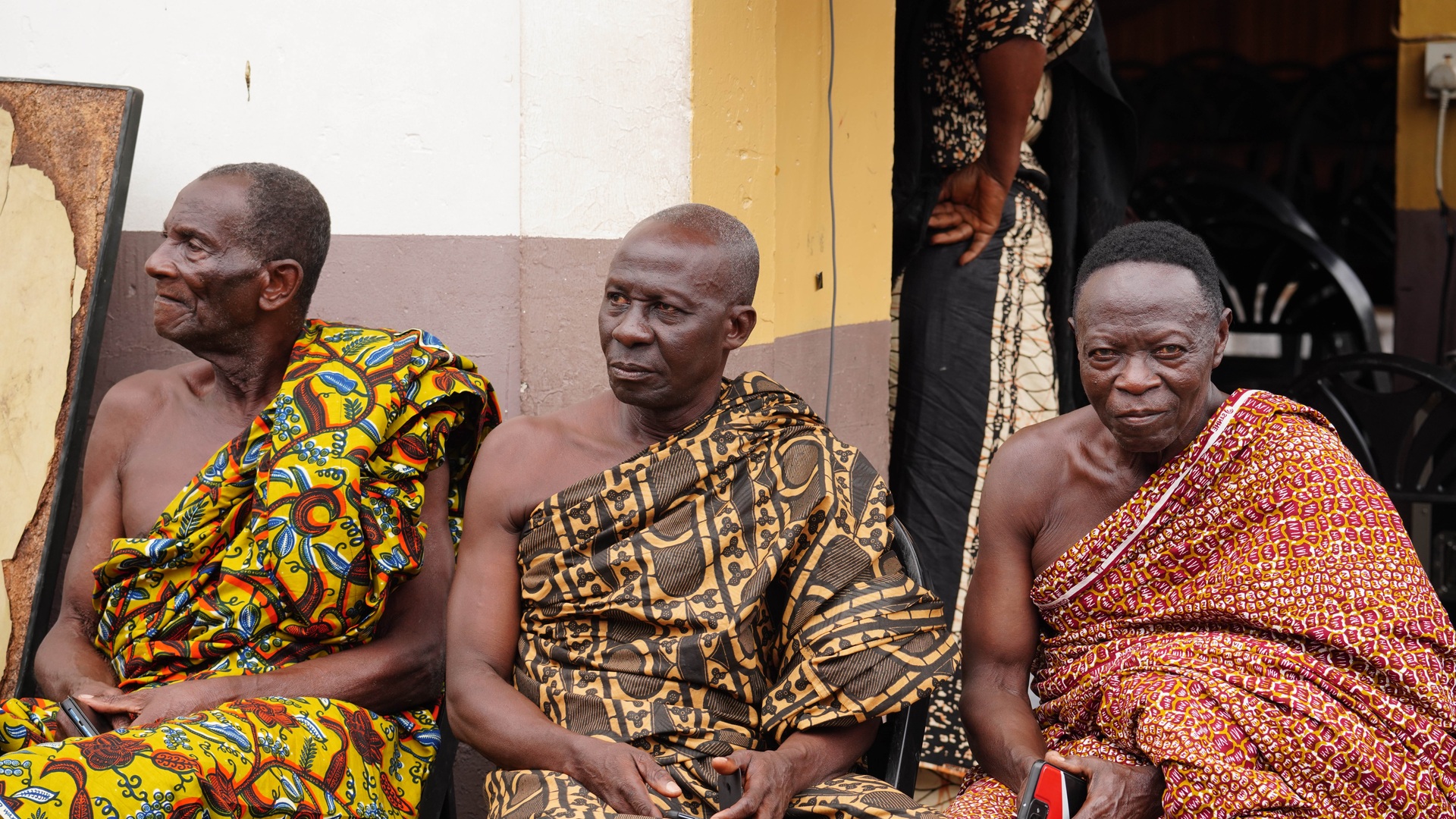
Amid the crowd, a child offers me a kola nut. It is a tiny, almost invisible gesture, yet in this setting it acquires a special power. There is sharing, welcome and recognition. This is what Akwasidae leaves you with: not the feeling of having witnessed a great ceremony, but of having brushed against a complex system of belonging and memory that continues to live without asking permission from the outsider’s gaze. In an Africa too often described only through its vulnerabilities, Kumasi reveals another truth: continuity, pride, symbolic discipline and historical depth.
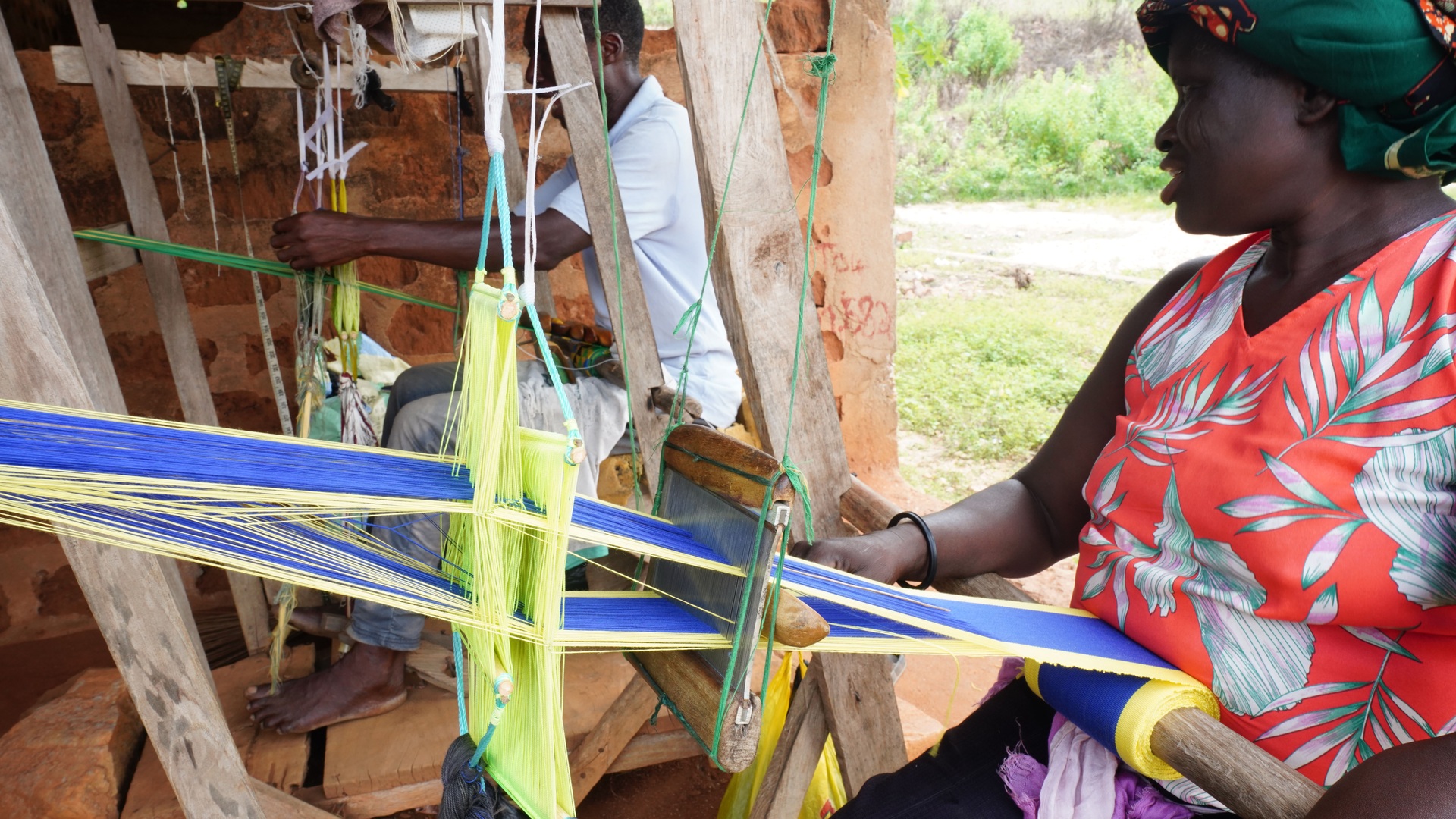
When it is over, the dignitary who welcomed us embraces me and, before saying goodbye with a gift of kente cloth, whispers words that almost bring the whole journey to a close: “A people without memory walks quickly, but in the wrong direction”. I carry them with me all the way to the flight home, more than any other image. Because this, ultimately, is Ghana: a country that makes you understand that speed is not enough, that the present cannot stand alone, that the future needs roots if it is not to become another form of disorientation.
Getting there
Comfortable Turkish Airlines flights depart from several Italian cities via Istanbul, landing at Accra’s Kotoka International Airport.
Where to find information
TransAfrica is a true West Africa specialist, with offices in both Lomé and Dakar (transafrica.biz).
Documents and visas
A valid passport with at least six months remaining. A visa is compulsory and can be requested from the embassy in Rome.
Vaccinations
Yellow fever vaccination is compulsory and checked on arrival. Antimalarial prophylaxis is recommended.
Sources and images: Text by Mauro Parmesani. Photo credits in the captions. All image rights are reserved by their respective rights holders.