The Harley-Davidson is parked on the pavement as though it has always been there. Beside it, leaning against his bike, Jack looks as if he has stepped straight out of a frame from Easy Rider: a timeworn military-style jacket, road-worn boots, long hair, a drooping moustache and the gaze of someone who has watched the world change.
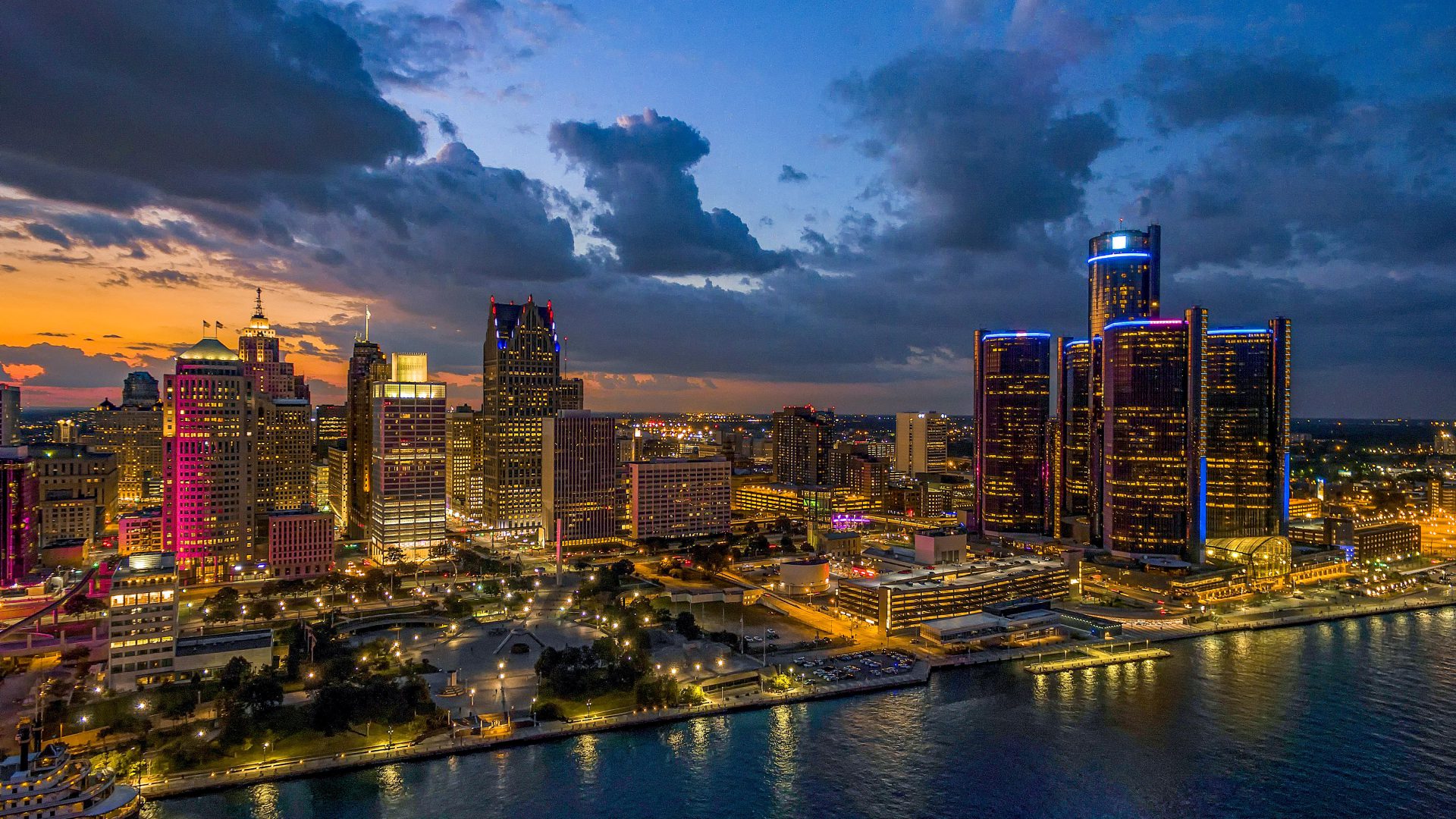
Detroit flows around him, with its restored skyscrapers, old industrial buildings brought back to life and the still-visible traces of a heavy past. Jack seems to belong to another era, that of rebellious America, when a motorcycle was a symbol of freedom and the road held a promise. I ask whether he ever thought of leaving when the city seemed destined for decline. He smiles. “Cities are like people,” he tells me. “You can't judge them at the worst moment of their lives.”
I could not have imagined that those words would become the key to understanding my journey. Because that is precisely what Detroit is: a city that has known the lowest point in its history and is now climbing back up, without denying its wounds. A city that chose not to erase the past, but to turn it into energy for the future. For decades its name was associated only with decline. Images of abandoned factories, emptied neighbourhoods and skyscrapers left without windows travelled around the world, turning Detroit into the symbol of America's industrial crisis. Yet walking its streets is enough to understand that this is only part of the story. The other part begins in the early twentieth century, when Detroit was the place where the future took shape.
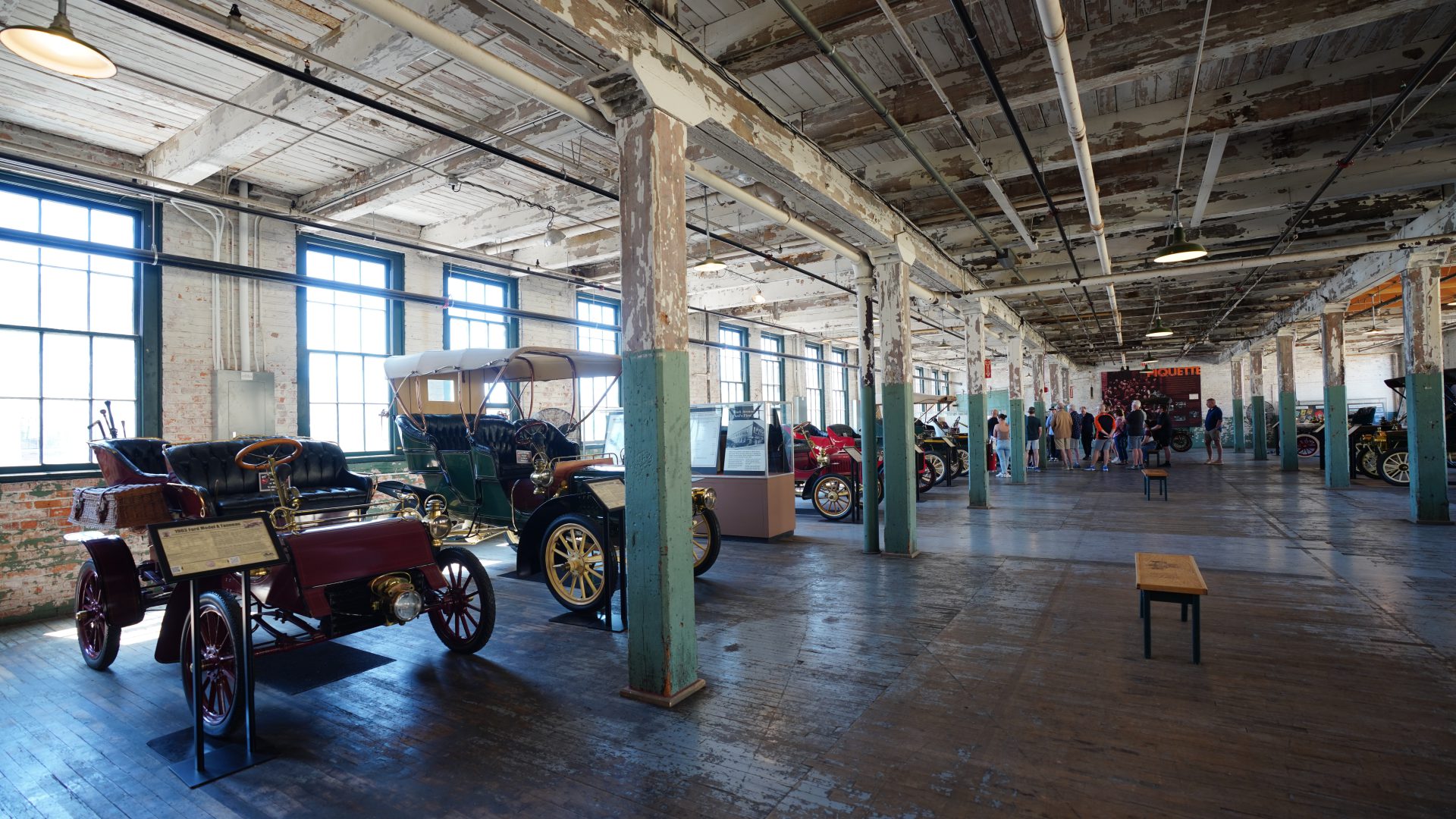
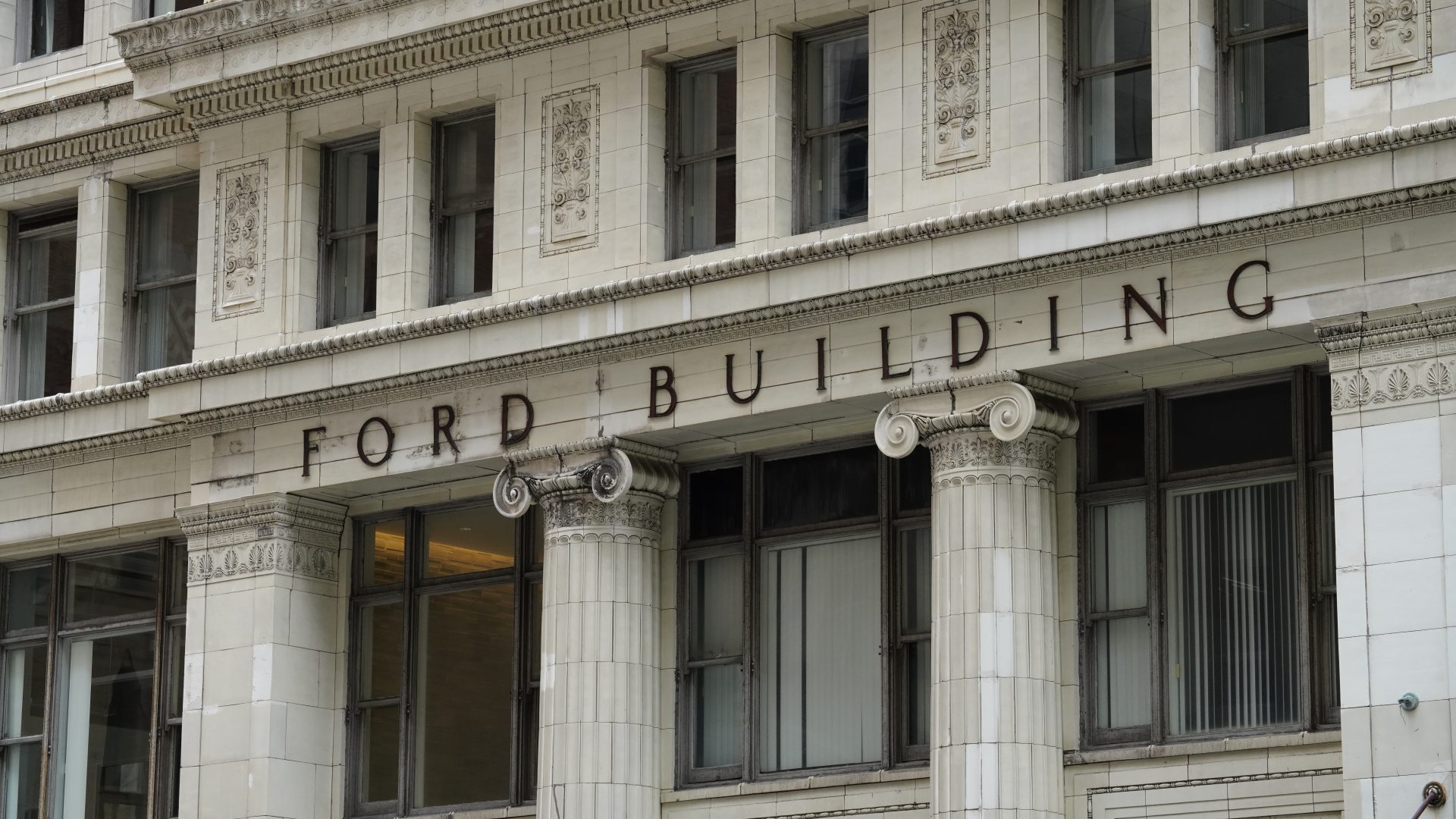
Here Henry Ford changed forever the way the world produced things and, consequently, the way it lived. The historic factory on Piquette Avenue was the birthplace of the Ford Model T, the car that would bring mobility to the masses and turn a simple mechanical invention into a social revolution. The assembly line introduced by Ford was not merely a more efficient production system. It was a new idea of society. Cars became accessible to the middle class, travel changed, cities expanded and a new way of life emerged. Detroit became Motor City, the world capital of the automobile. For decades thousands of people arrived here chasing the American dream. Workers from Europe, African Americans from the Southern states, entire generations of labourers found an opportunity for a better life in the car factories. Italians, Poles, Irish, Germans: Detroit was a human mosaic built around the noise of presses, the smell of oil and the constantly lit production lines. Ford, General Motors and Chrysler were not just companies. They were the city's economic and social heart. Detroit seemed invincible.
Then change came. The oil crisis, international competition, the loss of competitiveness in the American car industry and the gradual relocation of production slowly began to erode that model. Factories closed, jobs dwindled, thousands of residents left the city. What had been one of the richest metropolises in the United States became the symbol of an interrupted dream. In 2013 came municipal bankruptcy, the largest ever recorded in American history. To many observers, Detroit was finished, unable to get back on its feet. But cities, like people, often reveal their true strength precisely when they seem defeated. In recent years something has begun to change. Not a sudden transformation, but a slow rebuilding made up of small signs: restored buildings, new creative spaces, young entrepreneurs investing again, neighbourhoods rediscovering their energy. Detroit's rebirth is no perfect fairy tale. Contradictions remain, social differences are still deep, and many neighbourhoods still bear the marks of the past. Yet it is precisely this authenticity that makes the city interesting.
Detroit does not want to appear different from what it is. It simply wants to tell the story of its second life. And the first place where this new chapter becomes evident is the very heart of the city. Book Tower, an elegant skyscraper from the 1920s, is perhaps the most representative symbol of this change. For years it stood empty, a melancholy presence on the city skyline. Today, after a lengthy restoration, its facades reflect the light again, and the tower that seemed destined for oblivion has become a manifesto of rebirth. The monumental Michigan Central Station has followed the same path. For decades the old railway station, with its broken windows and abandoned spaces, was the most powerful image of Detroit's decline. Today its restoration expresses a new philosophy: do not demolish memory, but give it back a future.
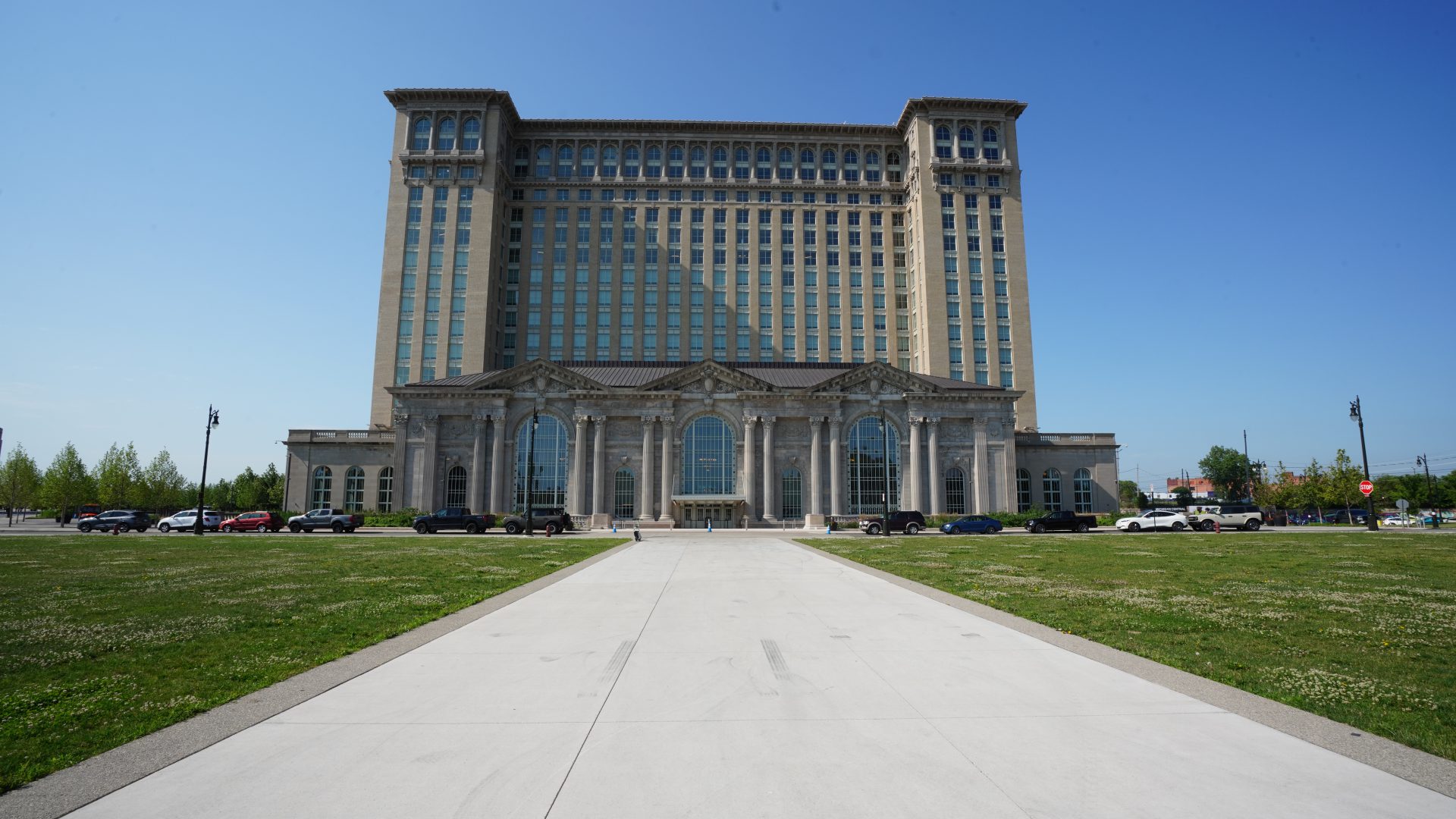
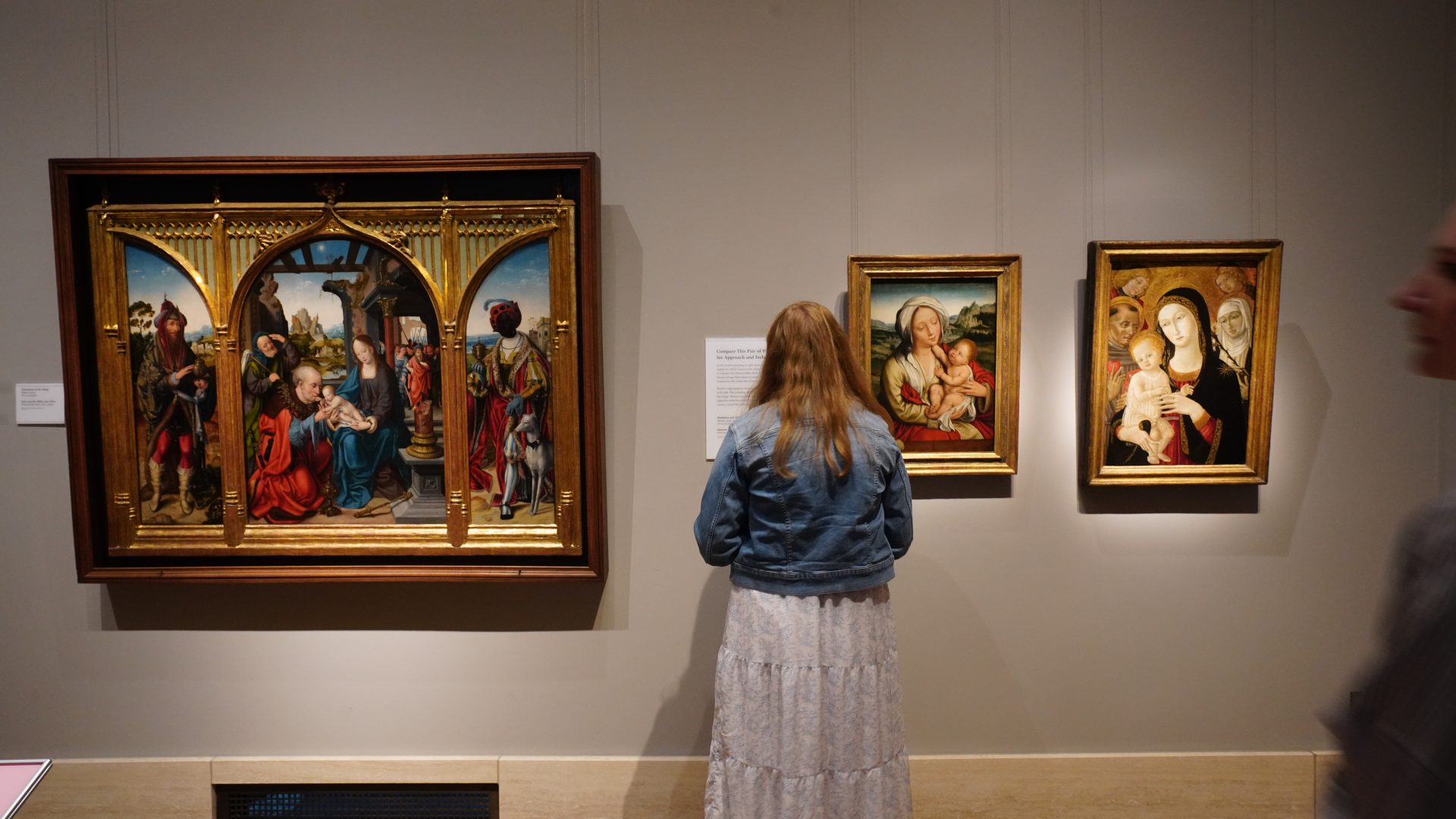
Because Detroit has understood something fundamental: a city does not start again by erasing what it was. It starts again when it manages to turn its history into a new possibility. If there is one place where Detroit reveals its deepest soul, it is the Detroit Institute of Arts. I enter the museum galleries almost silently, leaving the noise of the city behind. Then I find myself before Diego Rivera's great murals, one of the most important artistic testimonies to American industrial labour. I sit for a long time in front of those immense walls. I look at the figures of workers, the hands gripping tools, the bodies immersed among gears and machinery. Rivera did not simply paint a factory: he told the story of an era. He turned industrial labour into a modern epic, in which man and machine seem to belong to the same organism. I am absorbed by these images, which take on an even deeper meaning when seen today. When Rivera painted the frescoes in the 1930s, he was celebrating the strength of American production, faith in progress and in humanity's ability to build the future. Yet seen after travelling through contemporary Detroit, those murals seem almost prophetic. They tell of industry's greatness, but also its fragility. Behind those powerful figures, the question that would haunt the city decades later seems already concealed: what remains when the factories close?
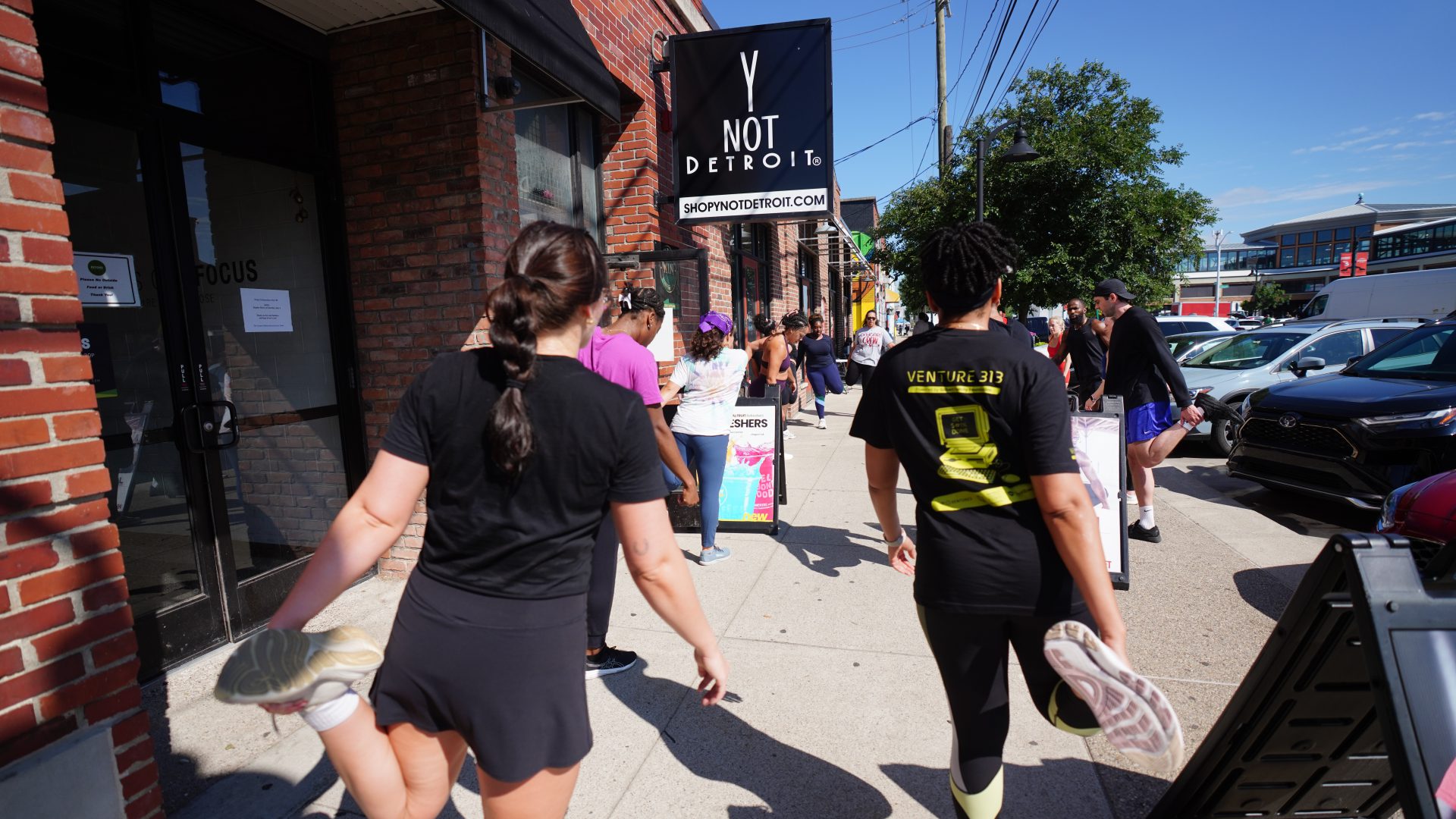
Perhaps the answer lies in people. Because Detroit survived not because of its buildings, but because of those who continued to live in it, love it and reinvent it. I understand this when I reach Eastern Market, the great historic market that for more than a century has been one of the city's most authentic places. Here Detroit shows a completely different face: far from downtown's skyscrapers, closer to its residents' everyday lives. Among stalls of fruit, local produce, spices and street food, the great walls of old industrial buildings have become enormous canvases for artists from all over the world. The murals do not conceal the city's wounds: they tell their story.
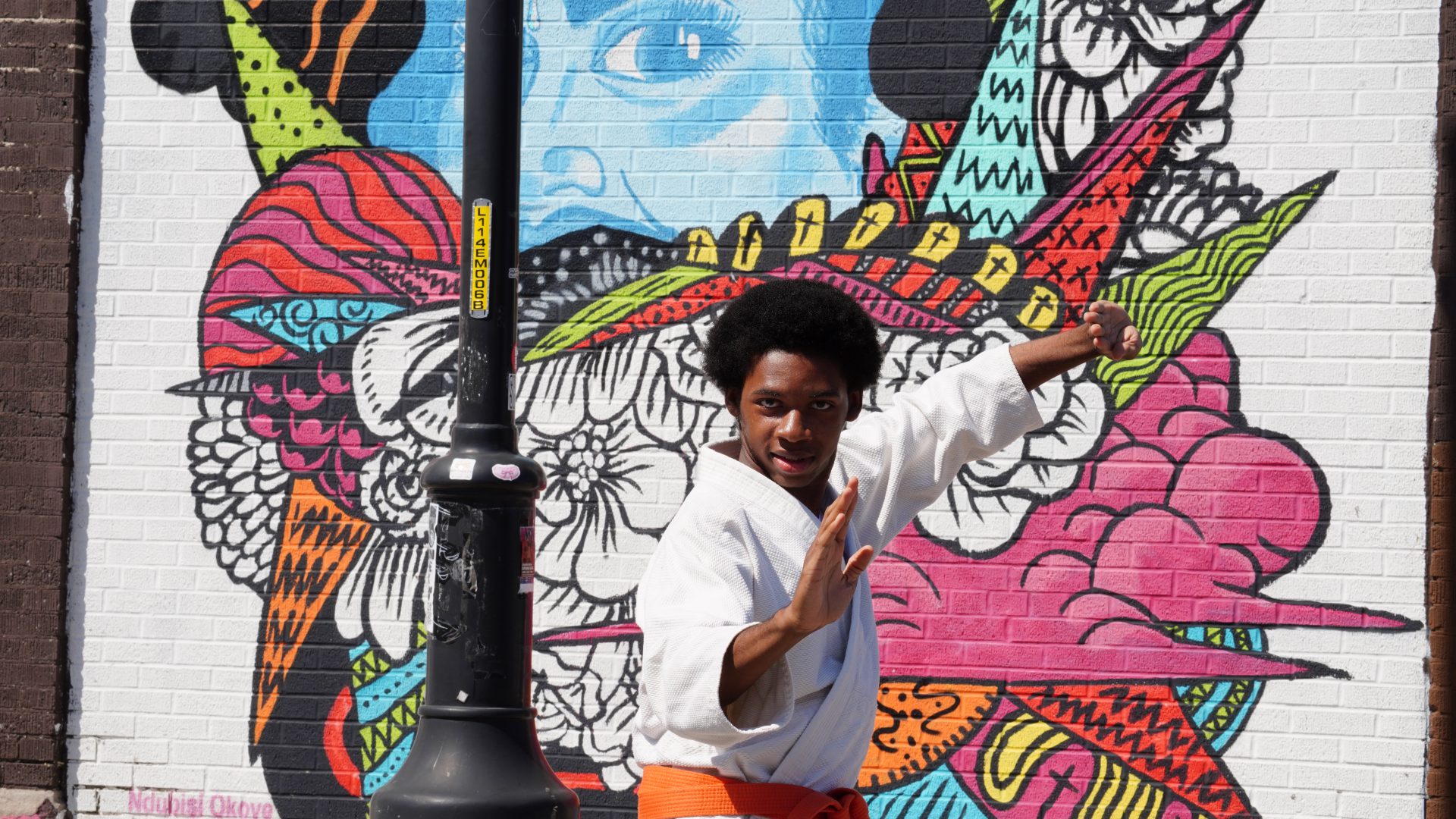
It is here that I meet Ossiah White. His name might suggest otherwise, but before me stands a young African American man with elegant features and a sculpted physique. He earns his living performing spectacular martial arts demonstrations on the street. At first I think it is simply a performance; then I realise that behind every movement lie discipline, years of training and concentration. Every kick, every jump, every gesture seems part of a dance. A small audience quickly forms around him. Some stop out of curiosity, others out of admiration. The pavement becomes a stage, and Ossiah turns an ordinary space into a place of expression. It is a scene that perfectly captures the spirit of the new Detroit: finding opportunities even where others see only difficulties.
A short distance away, the rhythm changes. It is no longer the movement of the body, but that of hands on a drumskin. Sitting on one of Eastern Market's many corners, I meet Claire, an elderly musician originally from Ghana. Several African drums are arranged before him, while his face is hidden behind a mask with almost unsettling features, a presence that intrigues passers-by and seems to belong to another time.
I am about to move on when he calls me. I stop. He looks at me for a few seconds and then says: “You are a positive person, I can feel it. I'd like to share a few moments with you.” Simple words, spoken by a stranger met on the street, yet they have a particular force. I sit beside him. Claire begins to play. The rhythm of the drums grows slowly, deep and ancestral. For a few minutes the market seems to shift into another dimension. Detroit gives way to West Africa, to distant villages, to stories of migration that have crossed oceans and generations. I think that perhaps a city's true heritage lies not in its monuments, but in the chance encounters it can offer. Walking on, I reach another small local institution: Henry the Hatter. In an age dominated by speed and mass industrial production, this shop represents a surprising island of tradition. For more than a century it has been the place to go for those who love hats in every form: fedoras, panamas, Borsalinos, flat caps and classic American styles. Walking in feels like stepping through a door in time. Shelves full of hats, mirrors and an almost artisanal relationship with the customer express an idea of elegance that seems to belong to the past, yet continues to live here. This too is Detroit: the ability to preserve what deserves to be saved. The city is not made only of great factories and skyscrapers. It is made of small places, everyday gestures, people defending passions and crafts. It is made of Jack with his Harley, Ossiah dancing on the pavement, Claire carrying Ghana into the heart of Eastern Market. Different fragments of the same story. A story not only of economic rebirth, but above all of identity.
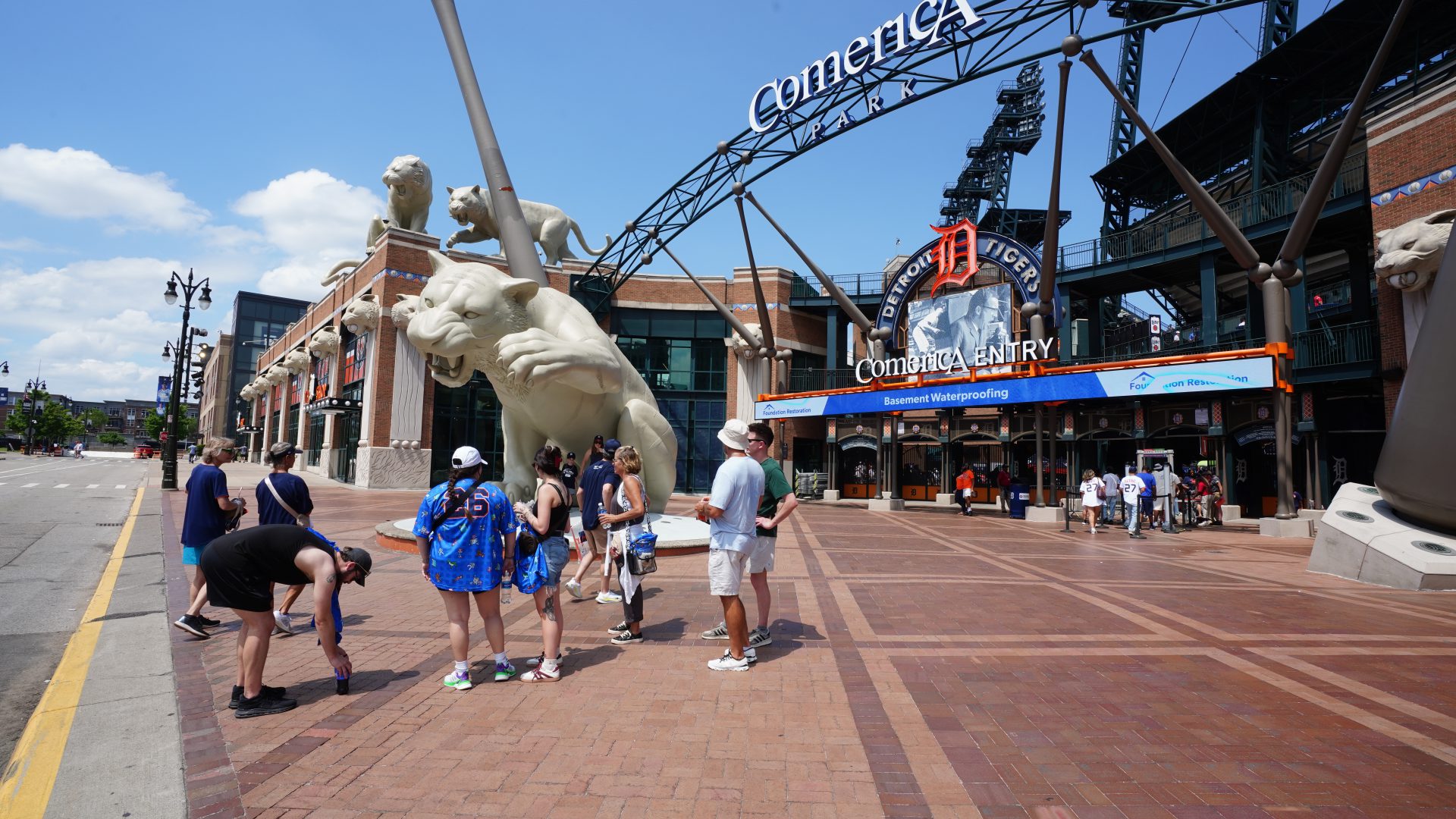
You breathe in that same identity while watching a baseball game featuring the Detroit Tigers, founding members of the American League in 1901. Comerica Park, home to the Tigers since 2000, overflows with humanity. Outside stand the enormous tigers that symbolise the team; inside are music at full volume, whole families holding the inevitable Coney dog — a beef hot dog with chilli, mustard and onions — the club's colours everywhere, and stands descending almost to the playing field beneath the city skyline. It is a glimpse of a traditional America that few seem willing to give up. We sit among thousands of smiling people. Then comes the silence before the American national anthem. At that precise moment, the identity of this people emerges, strong and powerful. Then the game begins, the Tigers facing the Houston Astros, for the record. Of course, this is no longer the era of the legendary Ty Cobb, considered one of the greatest players of all time, nor of Miguel Cabrera and Al Kaline, other champions who entered Tigers history. The game ends with Houston winning 7–5.
Today's Detroit is also a city of borders. Not only those visible on maps, but the subtler ones separating different cultures, histories and identities. I understand this while listening to Meg, who works for the city's tourism organisation. Her story seems to embody this frontier nature. With a Canadian father and an English mother, she holds three passports: American, Canadian and British. She lives on the Canadian side of the Detroit River, in Windsor, where the cost of living is considerably lower, and crosses the border every day to work in the United States. I ask whether living between two countries feels strange. She smiles. “Here it's normal. For many of us, the border is part of everyday life. You can have breakfast in Canada and be working in the United States a few hours later.” Her words explain a unique feature of this city better than any geographical analysis. Detroit and Windsor are not simply two places separated by a river: they are two worlds that have always been in dialogue, meeting and complementing each other. Perhaps this is precisely why Detroit has always had an international soul.
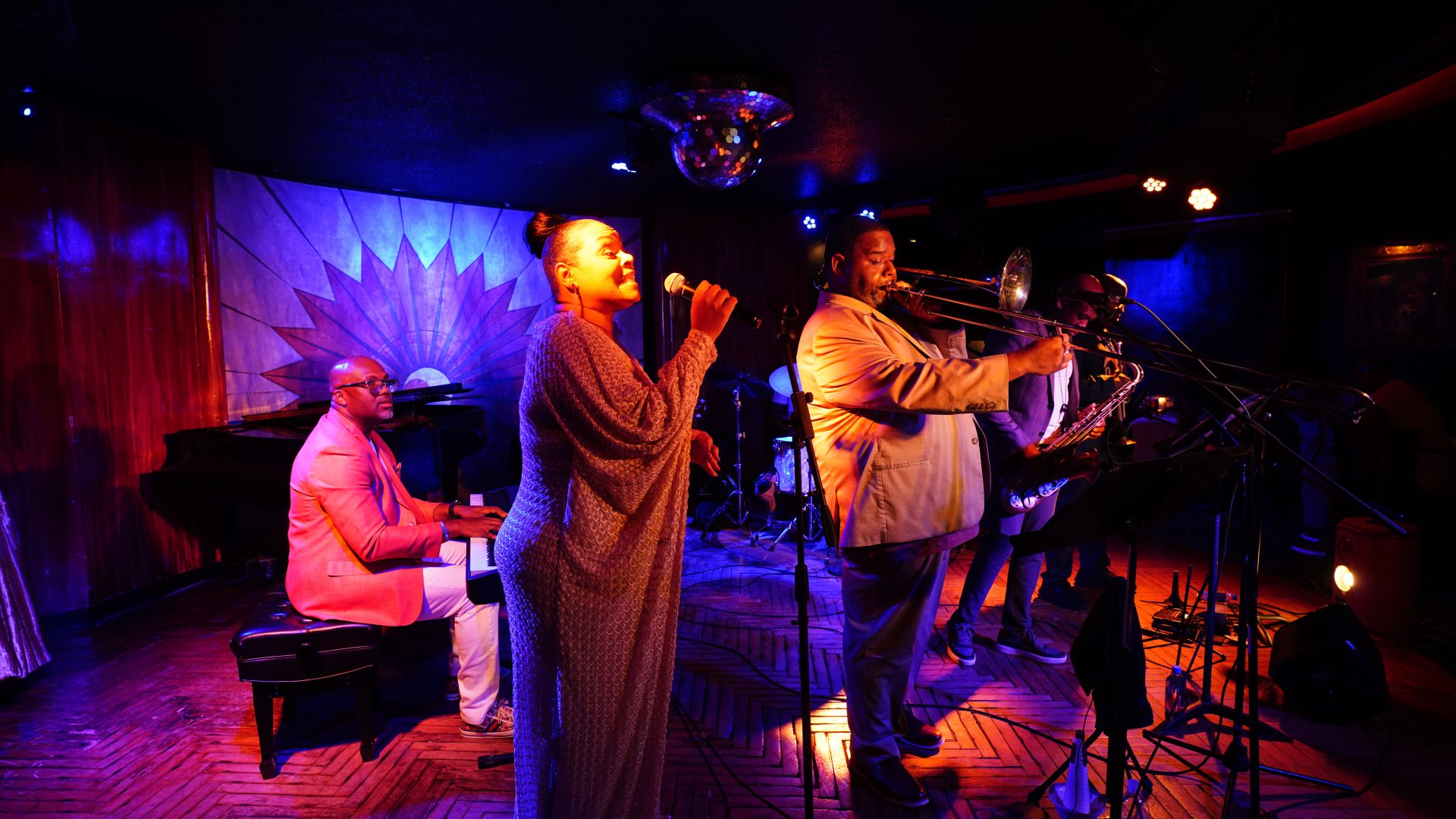
Its music proves it too. Even before being the capital of the automobile, Detroit was one of America's musical capitals. These streets gave birth to Motown, the label that changed the history of popular music forever in the 1960s. Stevie Wonder, Marvin Gaye, Diana Ross, The Supremes, The Temptations: names that crossed the city's boundaries and became part of the world's heritage. Detroit's music told of dreams, struggles and hopes. It was the voice of an African American community that, through soul, could turn its experiences into universal emotions. Even today, on entering Cliff Bell's, the historic jazz club opened in the 1930s, you sense something of that magic. The subdued lighting, the wooden bar, the Art Deco details and the sound of instruments seem to suspend time. You do not come here simply to listen to music: you step inside a collective memory. Detroit has always had this power: turning difficulties into creativity. The same energy appears in new craft spaces, independent distilleries and restaurants housed in old industrial buildings. Places such as Two James Spirits tell of a new generation of entrepreneurs who chose not to flee the city, but to invest precisely where others saw only problems. It is a rebirth different from that of the past.
The old Detroit built cars. The new Detroit builds ideas.
Before leaving the city, I reach the RiverWalk, the promenade along the Detroit River. It is one of the places where change can be felt most clearly. Families, students, cyclists and visitors move along the restored riverside path. The atmosphere is peaceful, almost surprising for anyone arriving with the image of a wounded Detroit from years past.
Before me, on the other side of the water, appears Windsor's skyline. Canada is there, close, almost within reach.
I look at that border and think how fragile the divisions we so often create really are. Detroit itself was born from encounters: between peoples, cultures, workers, musicians and entrepreneurs. Perhaps this is why it is slowly managing to reinvent itself today. I think again of Jack and his words. “You can't judge a city at the worst moment of its life.”
He was right. For too long Detroit was told only through its fall. But a city is not the result of an economic crisis, a statistic or a count of abandoned buildings. A city is made of people. It is Jack with his Harley parked on the pavement, guardian of an America that does not want to disappear. It is Ossiah turning an Eastern Market street into a stage. It is Claire, with his mask and African drums, able to recognise positivity in a stranger met by chance. It is Henry the Hatter, still defending the elegance of an ancient craft. It is Meg, crossing a border every day and reminding us that cities are above all places of encounter. And it is the workers painted by Diego Rivera, motionless on the walls of the Detroit Institute of Arts, men and women who seem even today to look towards the future with the same confidence with which they built the twentieth century. When I leave Detroit, I take with me an image different from the one I arrived with.
Not the ghost city described for years by newspapers. Not a simple story of decay and recovery. But an imperfect, authentic metropolis, able to look ahead without denying what it has been. The writer Elmore Leonard, deeply connected to Detroit, said the city had character. He was right. Because the character of a city, like that of people, is not measured in easy times. It is measured in the ability to get back up.
Detroit has not erased its wounds. It has turned them into memory. And today, from those very scars, the sound of its rebirth rises again.
About Visit Detroit
Visit Detroit is the official tourism promotion organisation for the region comprising Wayne, Oakland and Macomb counties and the city of Detroit, dedicated to showcasing Detroit as a world-class destination for leisure and business travellers. By highlighting the region's vibrant culture, rich history and diverse attractions, Visit Detroit aims to encourage tourism, economic growth and community pride. Founded in 1896 as the world's first convention and visitors bureau, Visit Detroit now represents more than 900 member businesses.
Sources and images: English translation of the complete article from James issue 32. Photo credits in the captions.