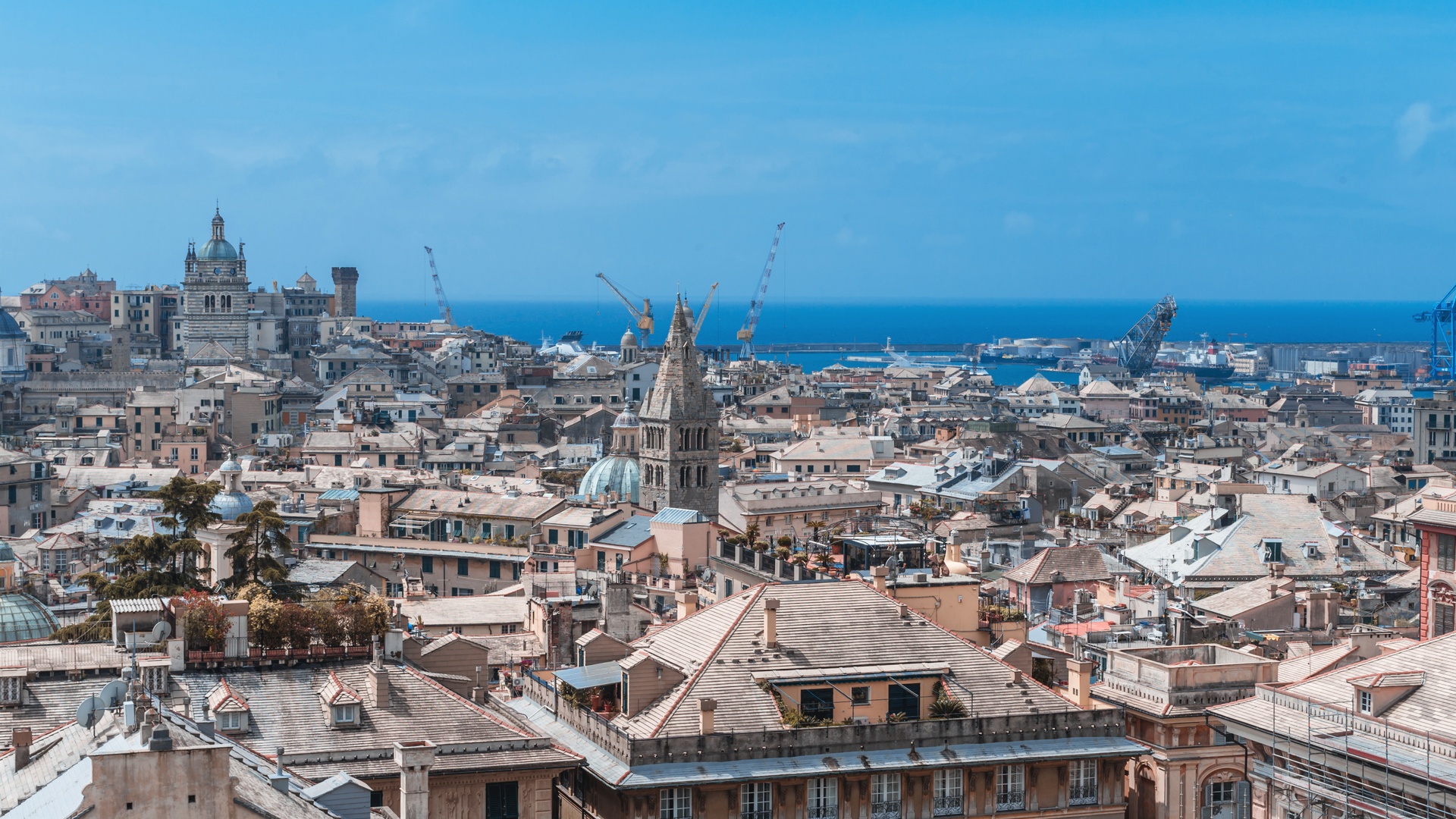
“Genoa, I was saying, is an idea like any other.” Much as I love Paolo Conte, I do not always share his opinions and lyrics: this is one such case, although his Genova per noi contains many truths. La Superba, as Francesco Petrarca called it, both its familiar and less familiar sides, deserves far more than two days. These are only a taste, but I make the most of them and make them my own, beginning with its quintessential symbol, the 117 metres of the Lanterna, almost a minaret dominating the city and its sea.
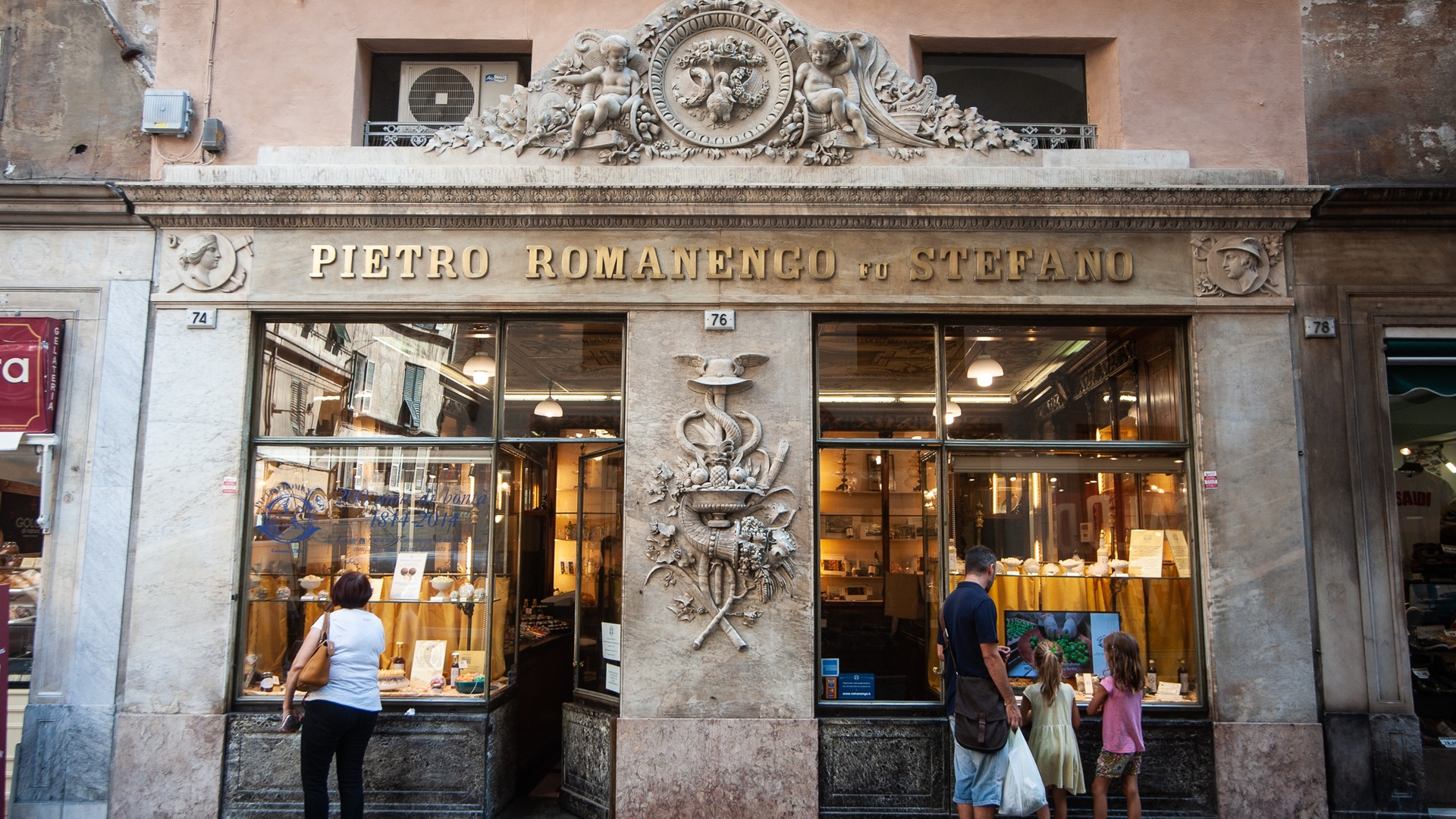
But is it really the only symbol? A stroll through the historic centre is enough to lose yourself deliberately in a maze of aristocratic palaces interspersed with caruggi, the characteristic narrow alleys where historic shops — 43 are officially certified, though in truth there are many more — with decorated ceilings, frescoes, inlays and old working tools alternate with contemporary shops of every kind and luxury labels. The true essence of the city is here, in places that present themselves as pastry shops, wine merchants, old pharmacies, trattorias and antiques shops. They certainly deserve a visit, to understand and breathe in Genoa, the authentic, everyday city.
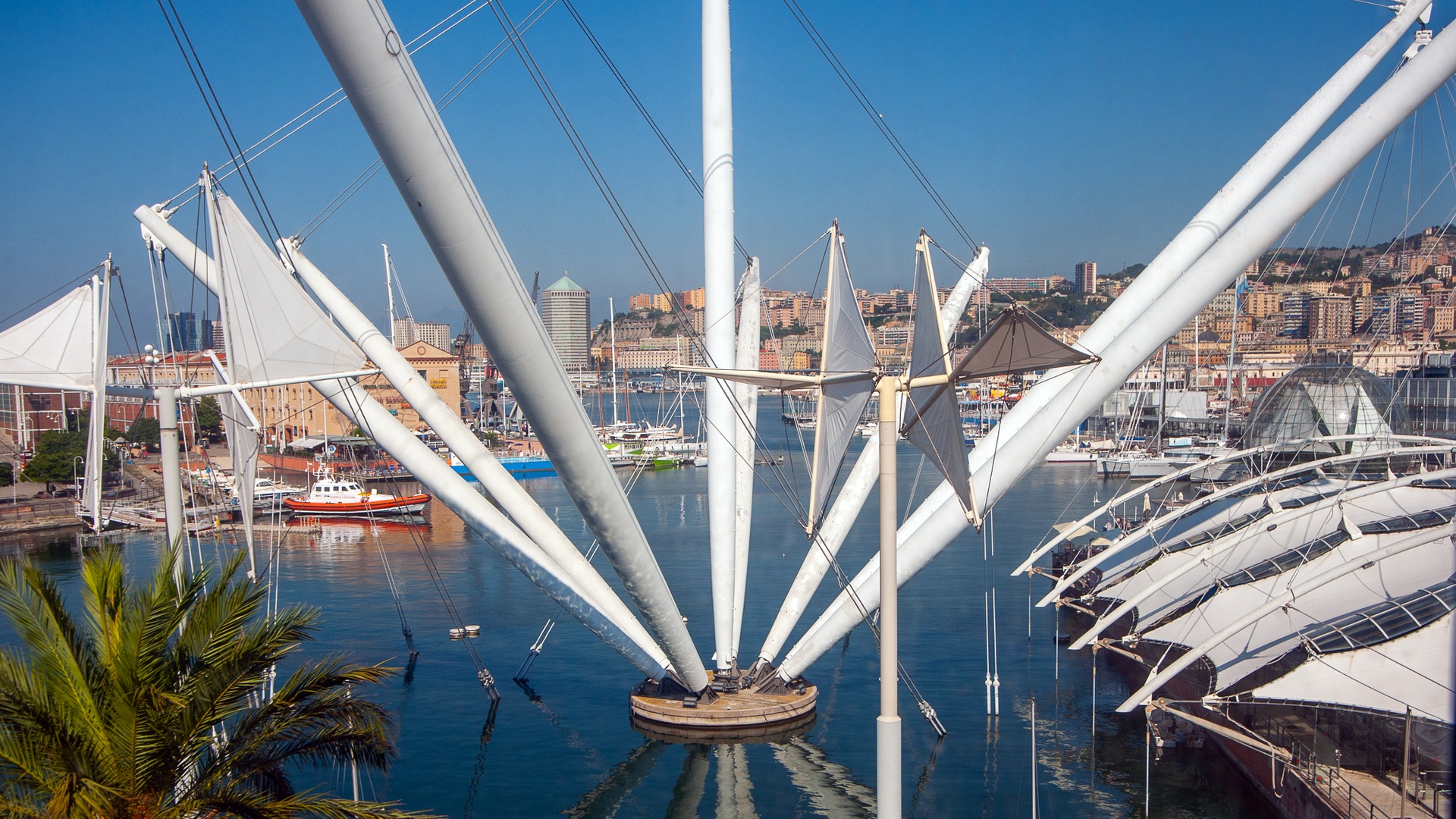
The gulf also holds another jewel, the Porto Antico, to which architect Renzo Piano has given new life. Here stands the Aquarium, one of Europe’s largest and most modern marine parks, including a cetacean pavilion also designed by Renzo Piano. Also in the Porto Antico area, the Galata Maritime Museum tells the story of navigation and offers immersive experiences for everyone.
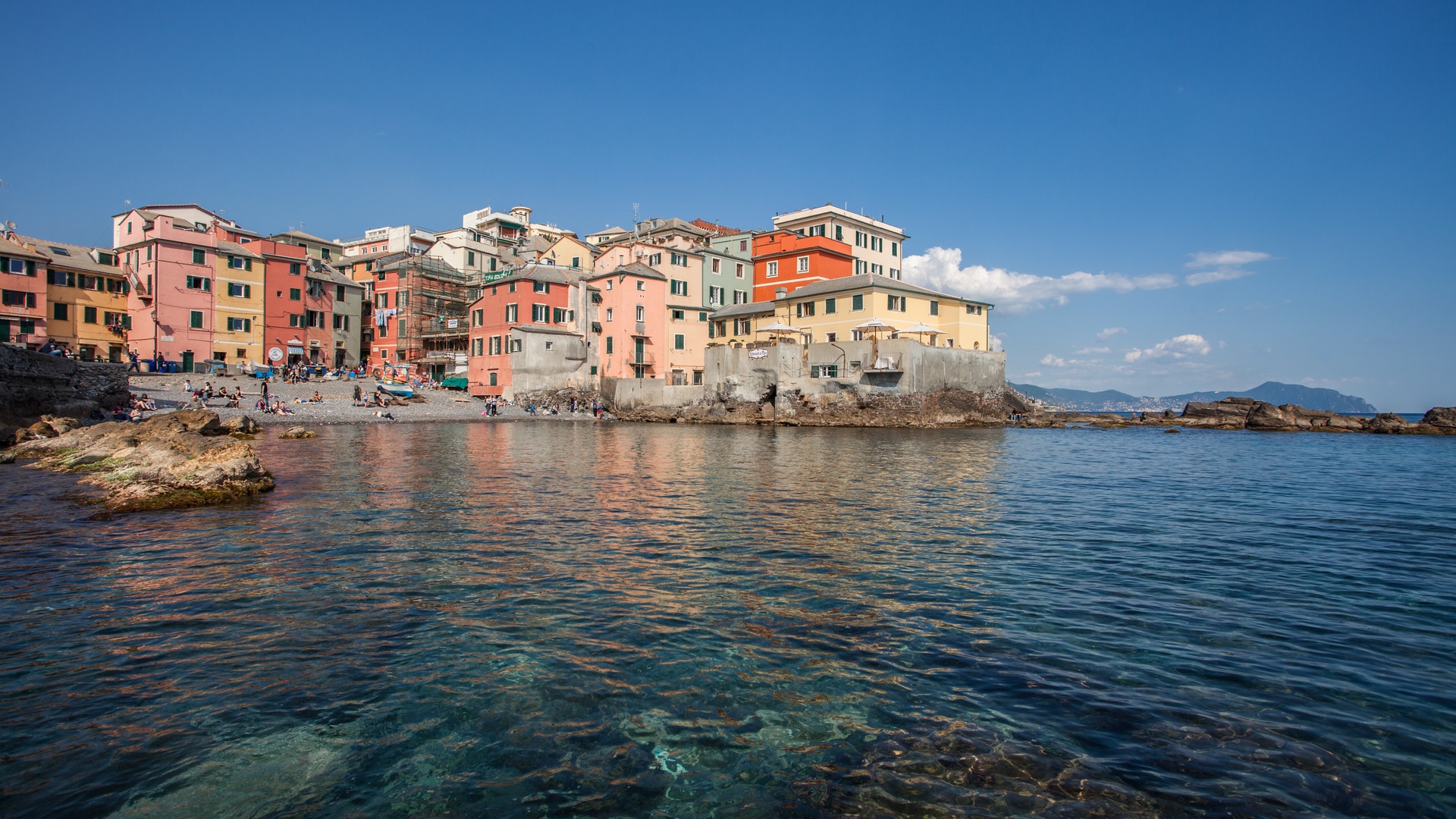
The sea remains the protagonist at Boccadasse, an old fishing village that demands a stroll from residents and visitors alike, provided they are neither predictable nor in a hurry.
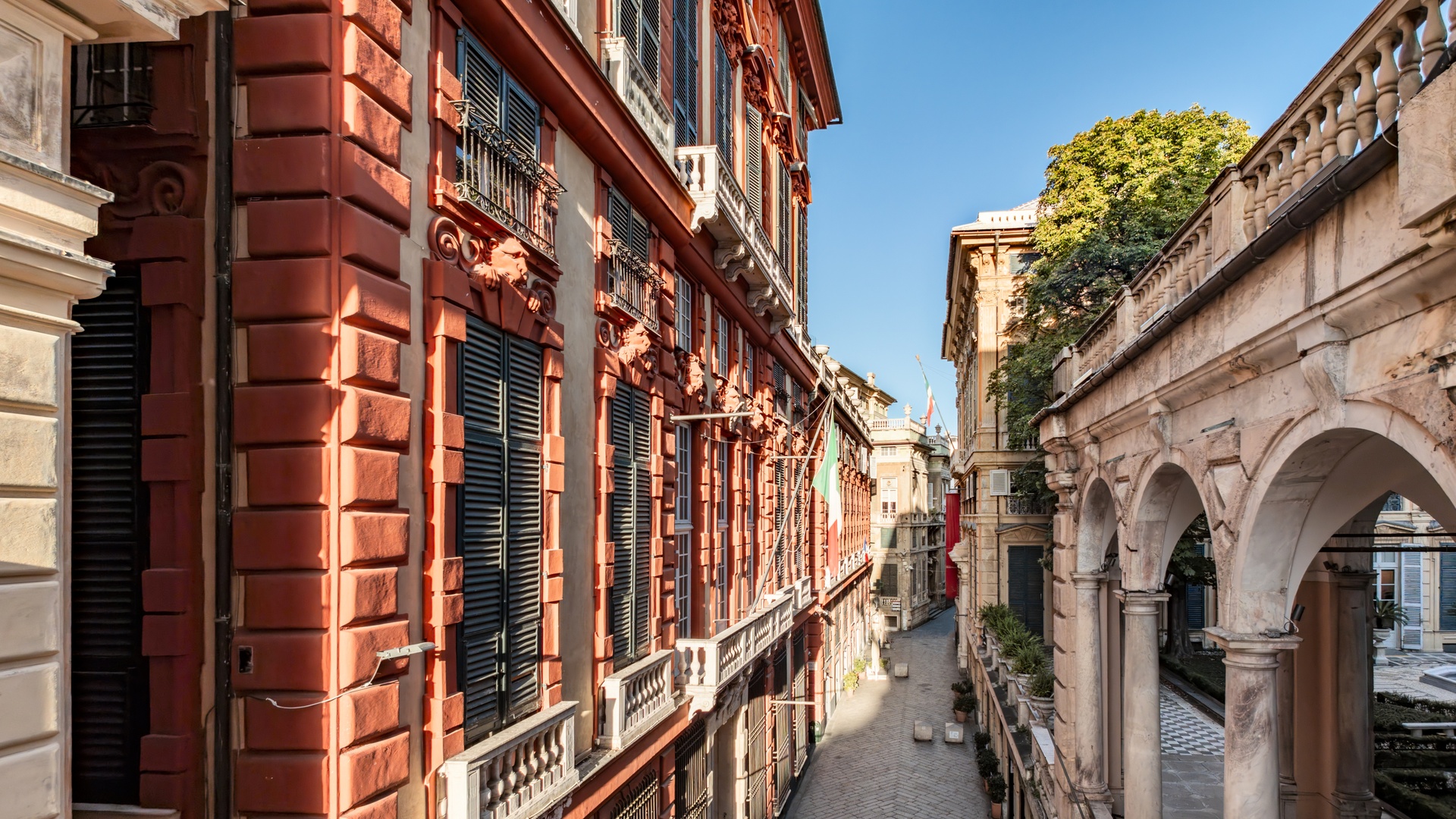
The Rolli palaces
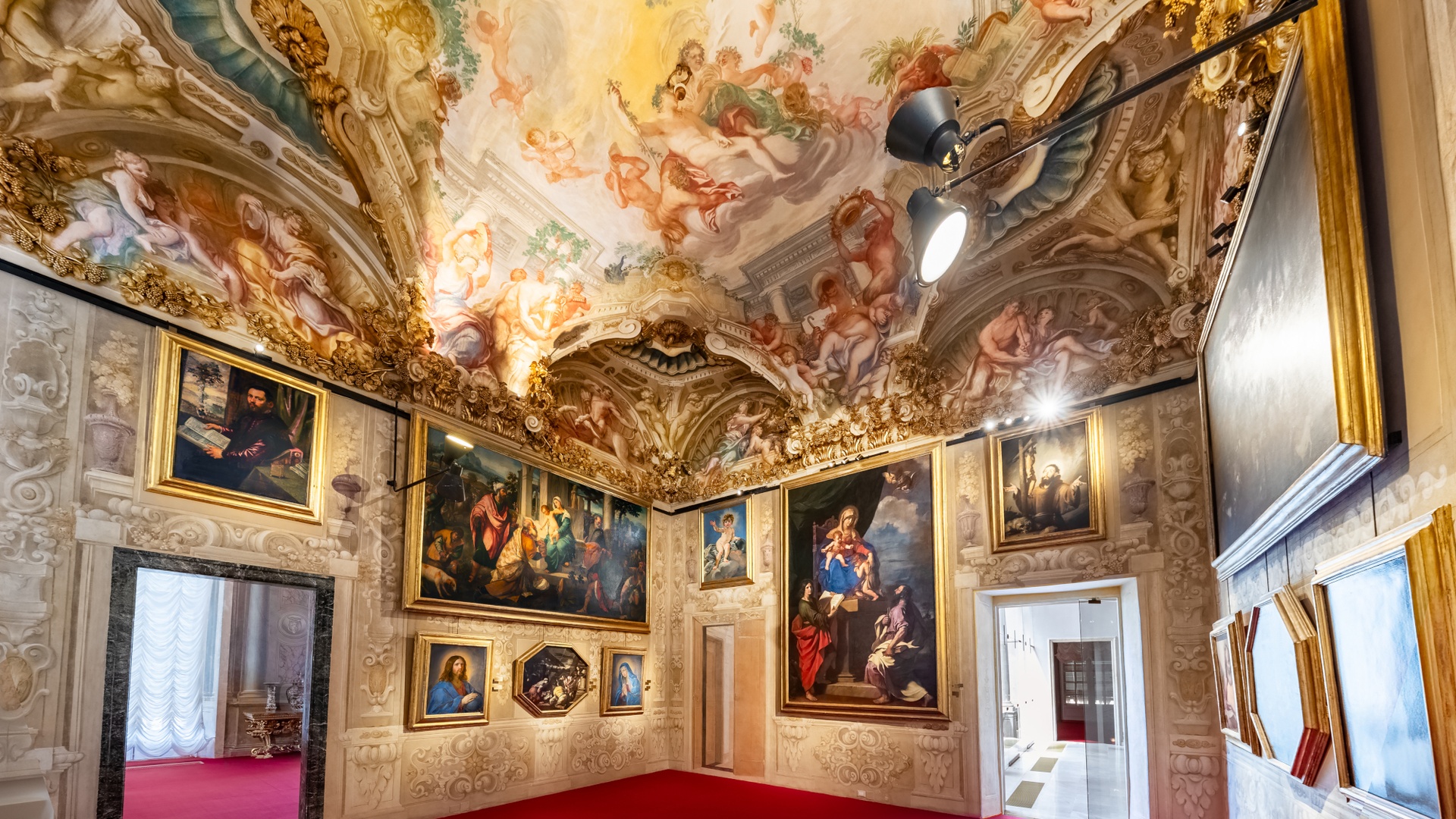
Yet the sea must share its leading role with the thousand cultural attractions the city offers, elegant but little-known sirens to most tourists. Palazzo Ducale, the former seat of the Republic of Genoa’s government and the Doge’s residence, is renowned for its imposing elegance, its main floor with the halls of the Great and Minor Councils, the Doge’s Chapel, inner courtyards and exhibitions, all of great interest. An in-depth visit is also essential at Palazzo Rosso, or Palazzo Francesco Ridolfo Brignole Sale, whose rooms are a triumph of stucco, decoration, artworks and paintings.
Built in the seventeenth century as a place to welcome high-ranking guests on behalf of the city government during state visits, it is one of the 42 Rolli palaces — late Renaissance and Baroque aristocratic buildings — declared a UNESCO World Heritage Site in 2006. The visual impact is powerful, as Gustave Flaubert wrote in his Notes de voyage: “The first palace I saw was Palazzo Brignole; a red façade, a marble staircase. The statues are not as large as in other palaces, but its upkeep, the floor mosaics and above all the paintings make it one of the richest in Genoa.”
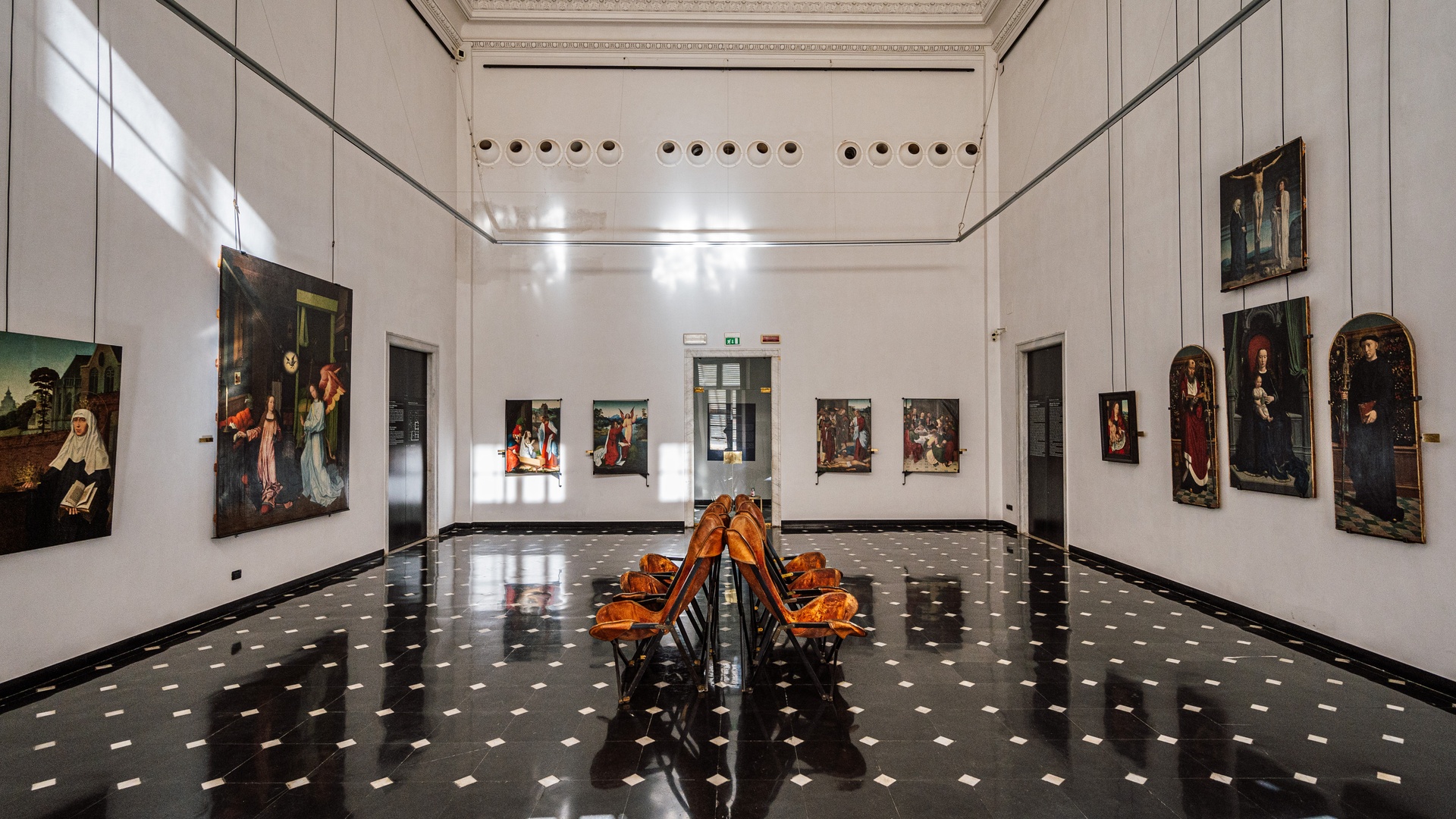
Palazzo Bianco, also known as Palazzo Luca Grimaldi or Palazzo Brignole Sale, is a worthy counterpart: a true treasure of art and one of the city’s principal museum centres. Genoa has no fewer than 24 galleries, also including the Museo di Sant’Agostino, the GAM–Gallery of Modern Art and the Museum of Contemporary Art at Villa Croce, none to be missed. Palazzo Bianco is rich in works by artists of the calibre of Caravaggio, Rubens, van Dyck and Vasari, and has two elegant gardens, upper and lower, which over time have undergone different phases of aesthetic renewal.
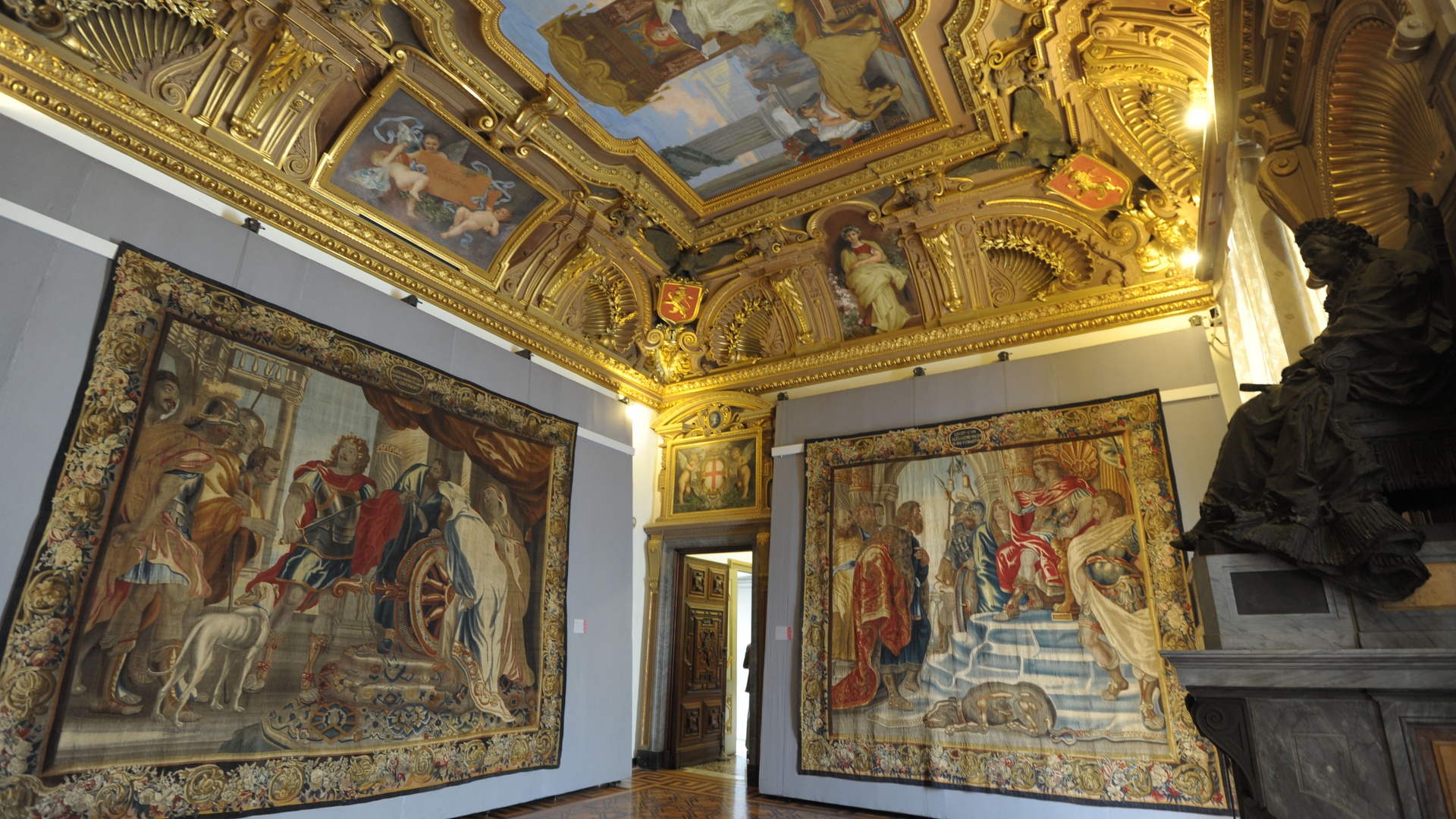
Perhaps the most majestic, however, is the neighbouring Palazzo Doria-Tursi, or Palazzo Niccolò Grimaldi, home to Genoa’s municipal government, built across three plots of land with two large green spaces framing its central body. Particularly innovative is its original architectural solution, whose succession of interior spaces — notably the rooms devoted to Niccolò Paganini — creates an evocative play of light and perspective. This residence represents the pinnacle of Genoese aristocratic residential splendour, as its interior decoration and paintings testify.
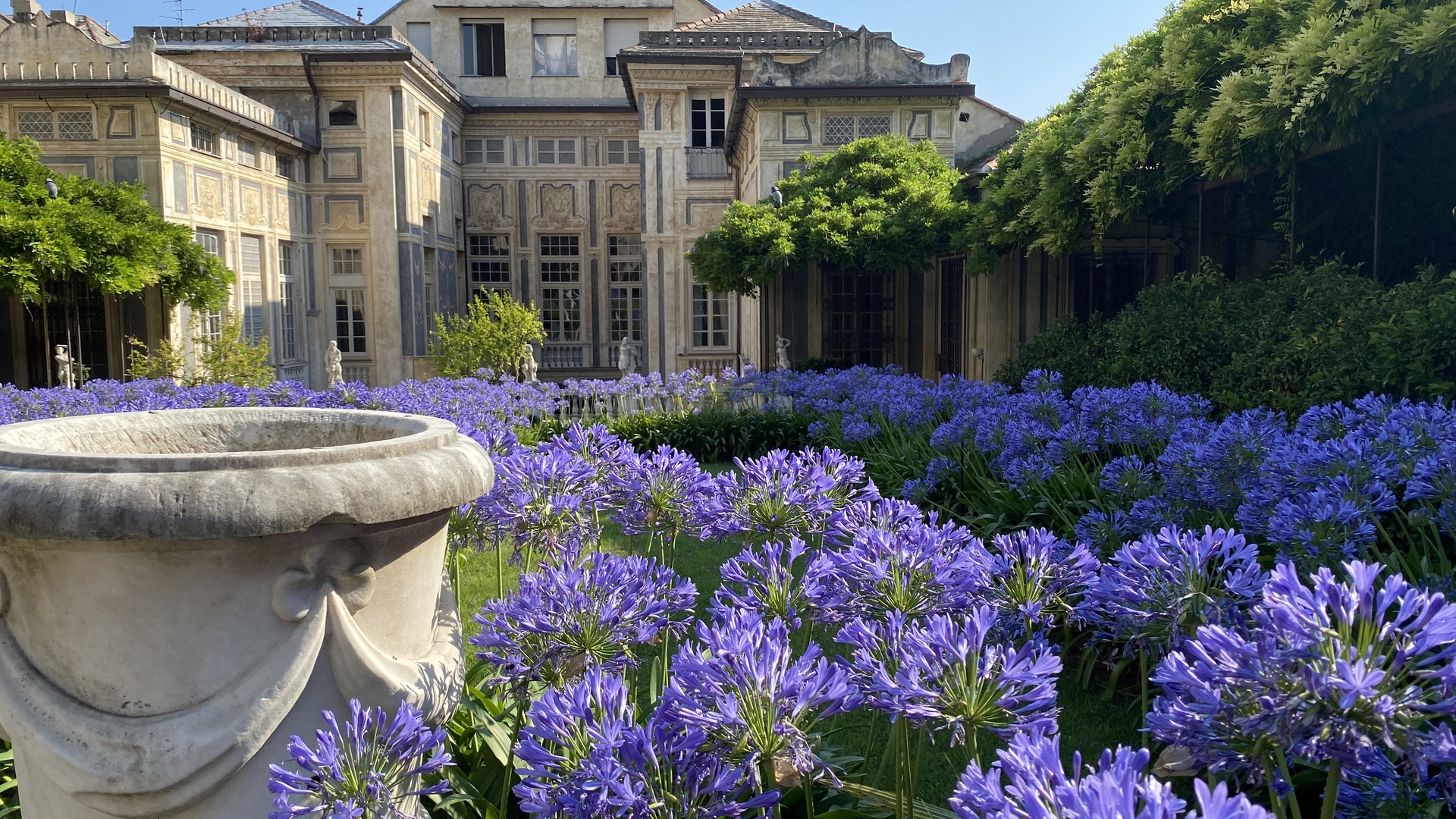
Then there is a painter of great importance to the city, Bernardo Strozzi, whose cycle of beautiful frescoes is found in Palazzo Podestà, also known as Palazzo Nicolosio Lomellino. Until a few years ago, these had been regrettably concealed beneath a thick layer of plaster and a false ceiling because of disputes between Strozzi and his patron. This is perhaps a unique place, with sumptuous, brilliantly coloured stucco inside and on its façade, and fine terraces above a grand eighteenth-century nymphaeum. Blending architectural, natural and sculptural elements harmoniously, it inherits a tradition that was particularly flourishing in Genoa.
Here the architect and sculptor Parodi devised an original monumental solution which, using the power of water, connects the courtyard to the garden two levels above, entrusting one of his pupils with the sculptures of gigantic tritons and the water-spouting putto. A garden built into the slope of the hill behind opens towards the mountains.
San Lorenzo and its treasures
The final stops of this two-day Genoese visit are the Renaissance Palazzo Tobia Pallavicino, home to the Chamber of Commerce, and the Cathedral of San Lorenzo, the city’s most important place of worship. Consecrated in distant 1118, it displays an extraordinary layering of styles: from the original Romanesque structure, visible in the sides and lateral portals, to the grandeur of Gothic architecture, finding its fullest expression in the asymmetrical façade with alternating black and white bands and its three majestic French-inspired portals. Later interventions introduced Renaissance and Mannerist elements; admiring it is a long narrative of history and architecture.
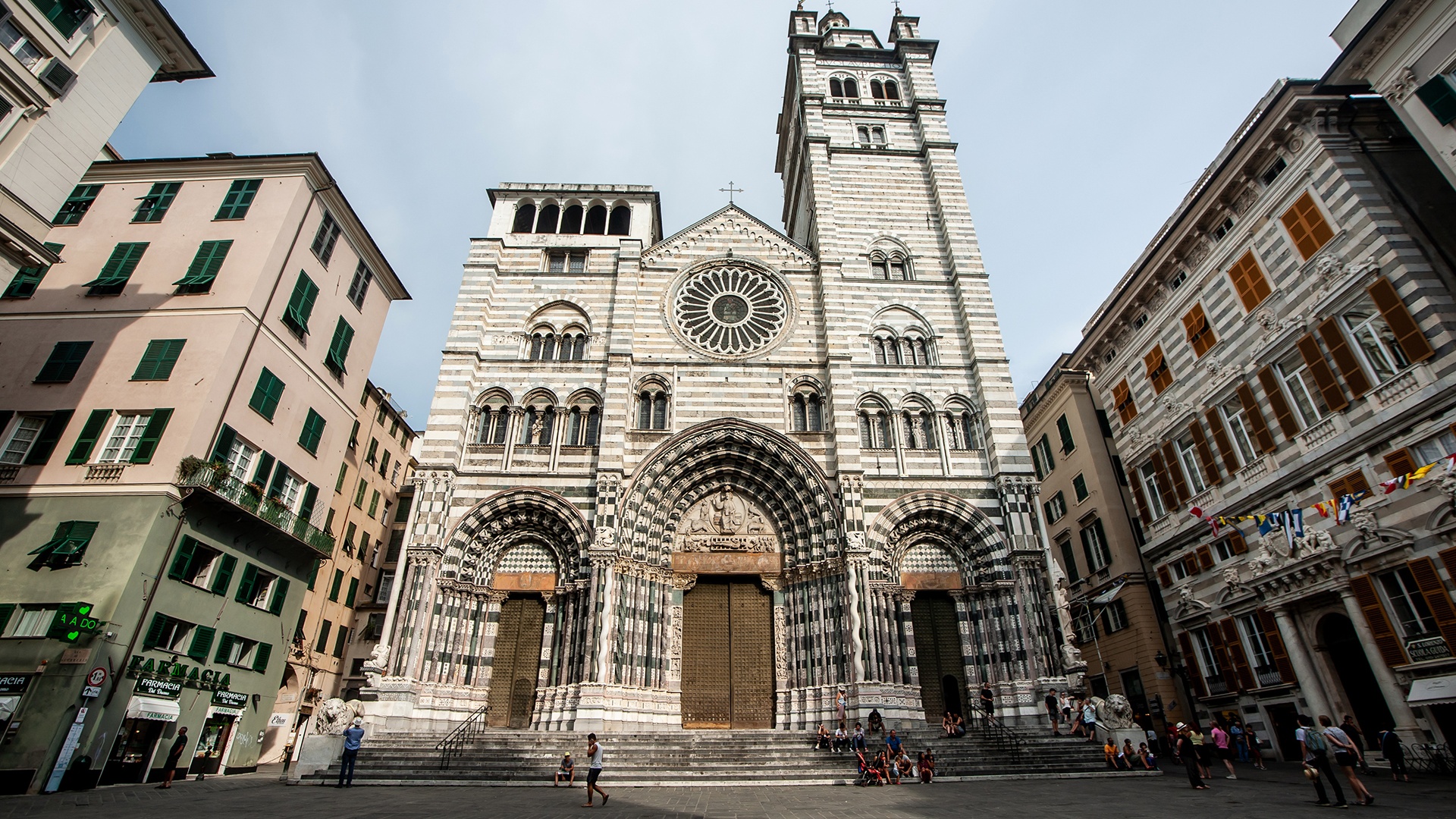
It is also worth descending into its underground spaces, home to the Treasury Museum, where the Sacro Catino is preserved, a precious Islamic artefact in green glass traditionally identified with the Holy Grail. In the nave, also note a perfect replica of the casing of a naval shell that pierced the church roof during a bombardment in 1941 but failed to explode, sparing the building from destruction.
At the end, the essence of these two days is entrusted to Guido Piovene’s pen and his powerful thought: “Resting on terraces that descend along the slopes, the houses seem built one on top of another; they all appear to push as high as they can, like the plants of a forest, in search of light. One might imagine a single spiral staircase inside them leading us from the port to the hilltops. At the summit, the new skyscrapers harmonise with the city’s vertical appearance.”
Hotel Bristol Palace, Art Nouveau elegance
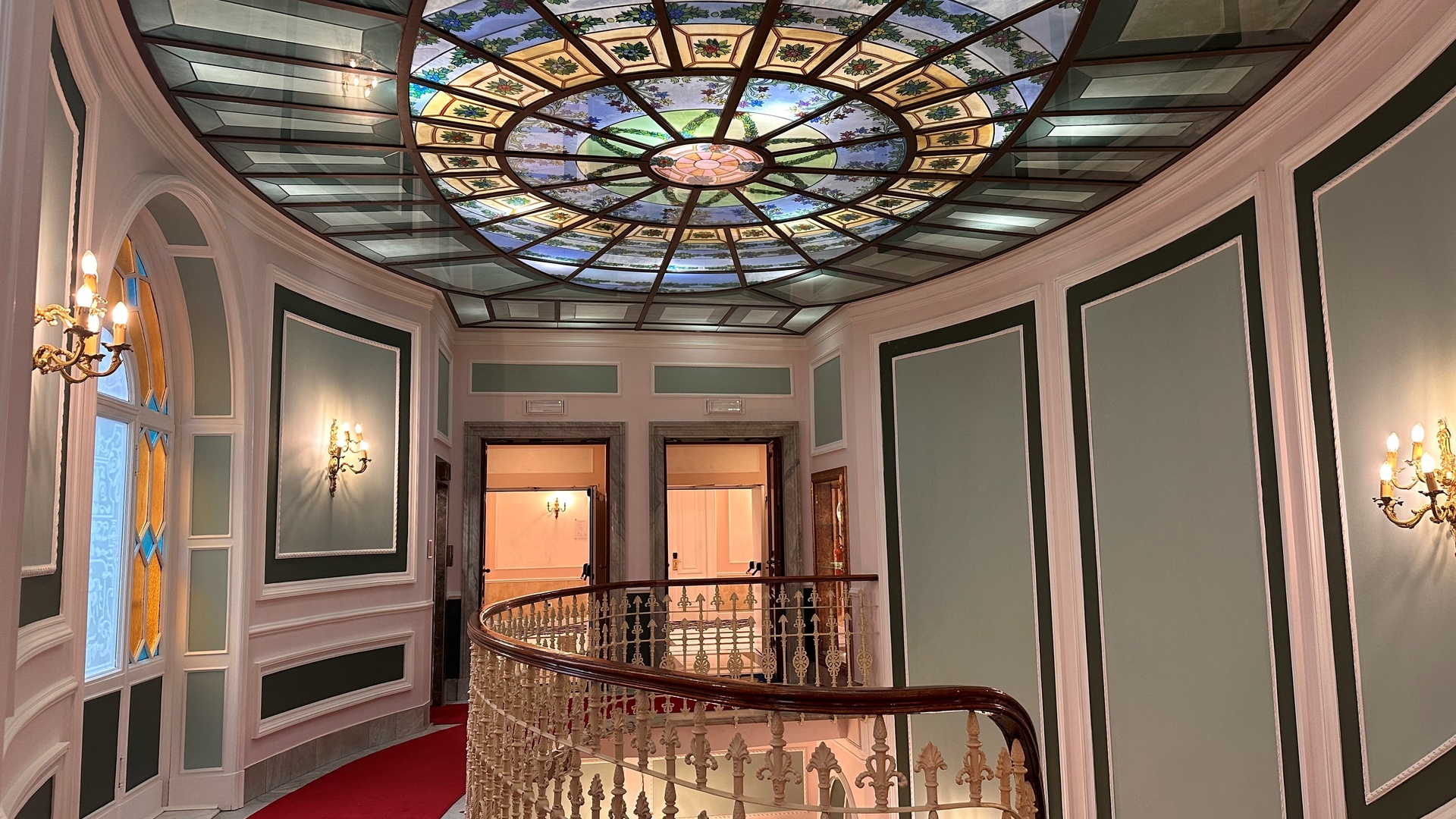
An old editorial and graphic rule holds that no story or article should ever begin with a number, in this case 121. These are the years of Hotel Bristol Palace, a Genoese icon in pure Art Nouveau style which, deservedly, gained its fifth star in 2023. Simply crossing its threshold beneath the arcades in the city centre means diving into the hotel’s history and charm: its interiors preserve original Art Deco furnishings, nineteenth-century objects and accessories, sumptuous Napoleon III salons, precious marble and crystal, fin-de-siècle stucco and frescoes, old parquet floors, period chandeliers and wall lamps. Elements that could, on their own, tell the story of the place.
But let us return to the entrance: refined and elegant as it is, at first sight it gives no particular impression of generous dimensions. Deceptively, it might suggest an intimate setting and spaces that are not especially large. Yet simply looking upwards reveals an incredible elliptical staircase, the hotel’s defining feature, in white marble with a wrought-iron balustrade, spiralling — and drawing the gaze with it — up to the sixth floor. From whatever direction it is admired, from below or above, the perspective is dizzying. Alfred Hitchcock knew something about that.
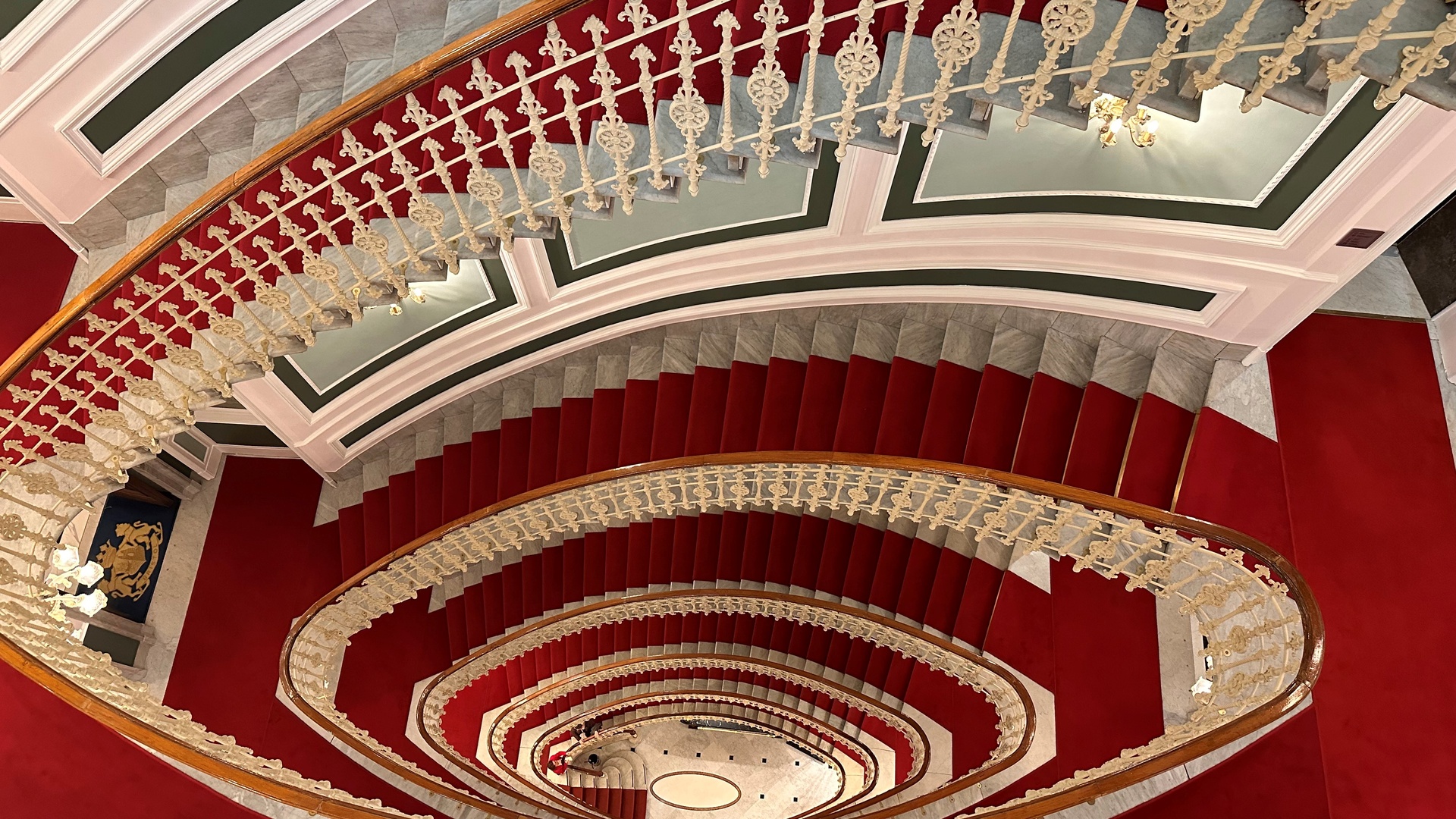
The director was a guest at the Bristol Palace on two occasions: in 1925, while in Genoa filming scenes for his very first film, The Pleasure Garden, and in the summer of 1954, while making To Catch a Thief. Legend has it that the staircase and its surprising view inspired the spiral motif that runs through Vertigo, known in Italy as La donna che visse due volte. It is a detail that recurs on many occasions, particularly in the celebrated scene of the fall from the bell tower’s spiral staircase.
But 121 years of history have seen many other names stay at the Bristol Palace, including Gabriele d’Annunzio, Luigi Pirandello, Edmondo De Amicis, Eugenio Montale, Vittorio De Sica, Alberto Sordi, Prince Albert II of Monaco, Carlo Azeglio Ciampi, Yitzhak Rabin, Shimon Peres, Rita Levi-Montalcini, Nobel laureate Orhan Pamuk, Rudolf Nureyev, Carla Fracci and, in much more recent times, Silvio Berlusconi, who recorded and broadcast an address from one of its suites.
Beyond its allure and architectural charm, however, a place like this also has substance, reaching well beyond an elegant garment of distinguished tailoring: its airy, refined rooms and suites tell of a glorious past handed down through a distinctive, exclusive approach to hospitality, made of graciousness, a timeless contemporaneity and attention to detail. The same thread runs through the cooking, which looks to local gastronomic tradition and, as evidence of an entirely individual approach to hospitality, confirms the Bristol Palace’s five-star standing.
Sources and images: Text by Andrea Matteucci. Photo credits as indicated in the individual captions, from materials supplied with the article. All image rights are reserved by their respective rights holders.